
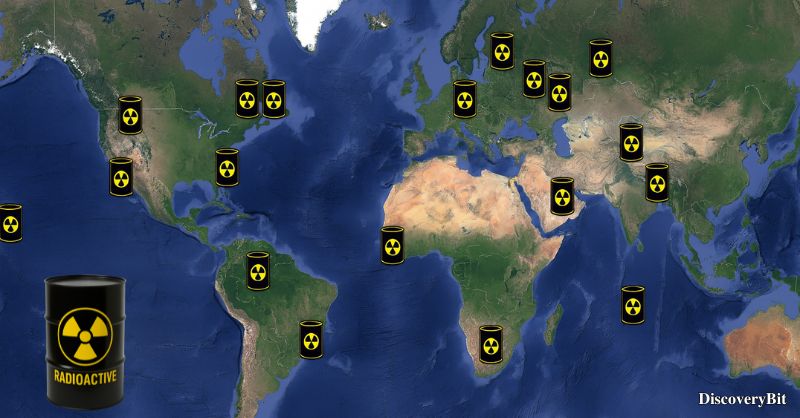
17) Savannah River Site, South Carolina, USA
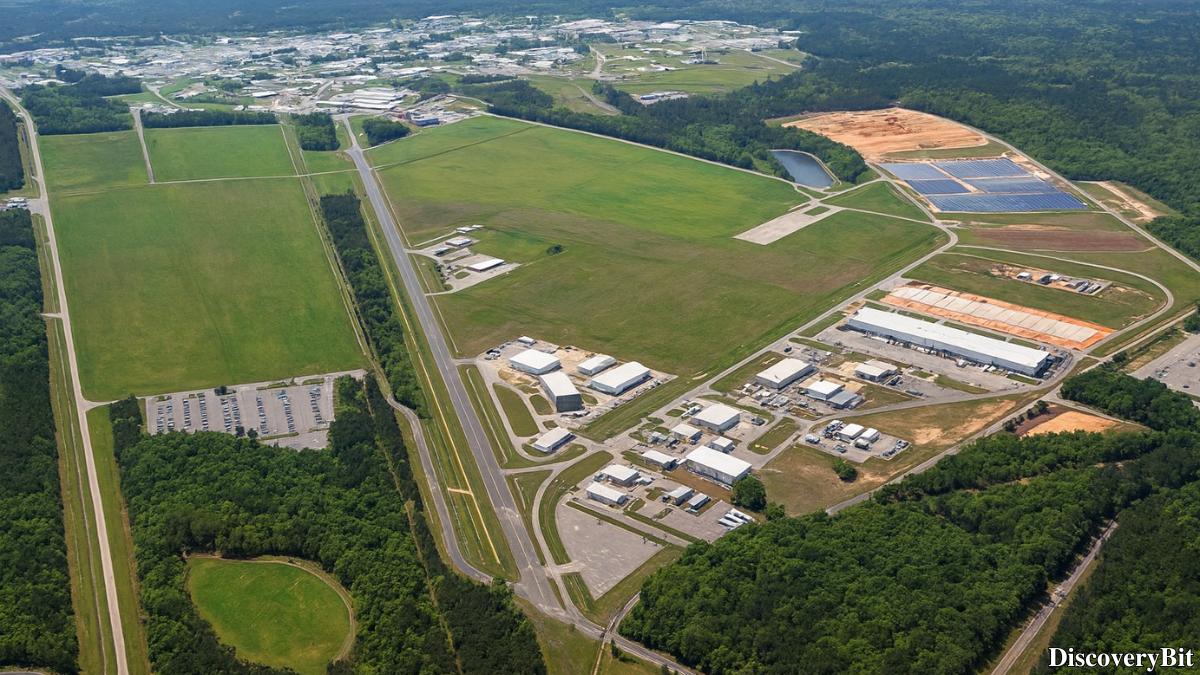
The Savannah River Site was a key U.S. facility for producing tritium and plutonium for nuclear weapons during the Cold War. Spanning over 300 square miles, it houses aging reactors, waste tanks, and contaminated groundwater. Decades of radioactive discharges have polluted the Savannah River and surrounding ecosystems. The Department of Energy has spent billions on cleanup, including vitrification of high-level waste and groundwater remediation. Despite progress, the site, a most radioactive place on earth, remains one of the most complex and hazardous nuclear cleanup efforts in the U.S. The sheer volume of waste and legacy infrastructure makes full decontamination a generational challenge. Savannah River Site is a sobering reminder of the environmental toll of nuclear weapons development.
18) Port Hope, Ontario, Canada
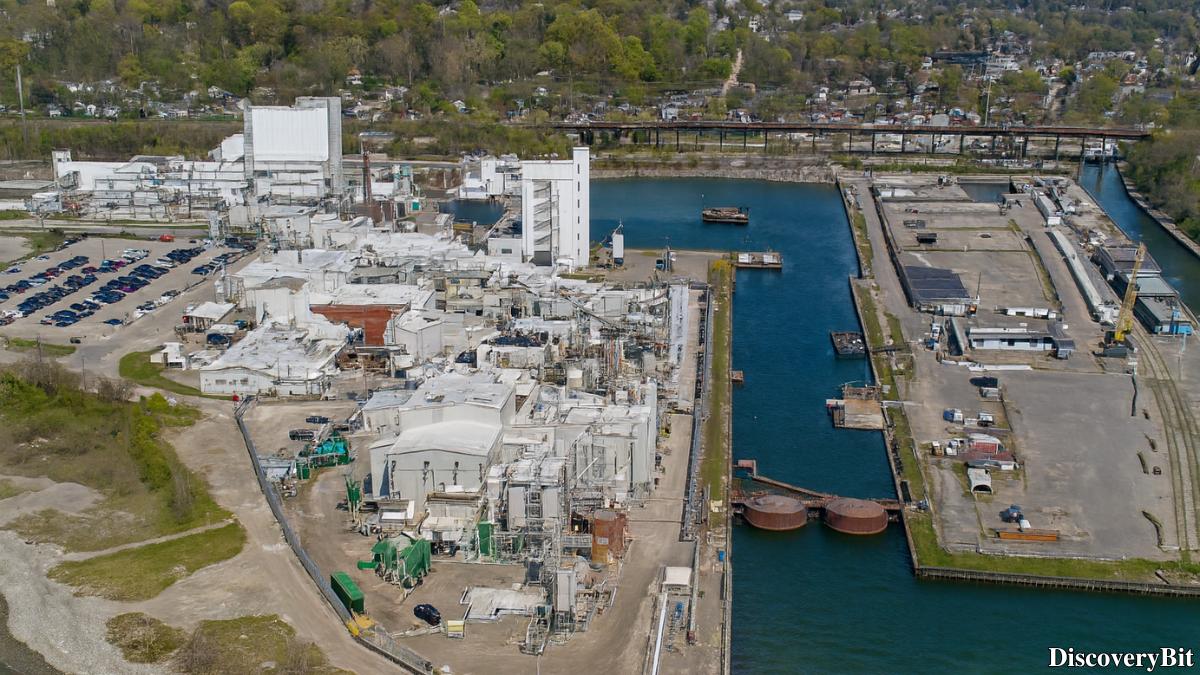
Port Hope is home to one of Canada’s oldest uranium and radium refining operations, dating back to the early 20th century. Decades of industrial activity left behind radioactive contamination in soil, homes, and waterways. The town became infamous for elevated radon levels and radioactive waste buried beneath residential neighborhoods. Canada launched the Port Hope Area Initiative, a long-term cleanup project involving the removal and safe storage of contaminated soil and materials. While remediation is ongoing, concerns persist about health risks and property values. Port Hope, a most radioactive place on earth, illustrates how early nuclear industry practices, often poorly regulated, can leave lasting environmental and social scars.
19) Arlit, Niger
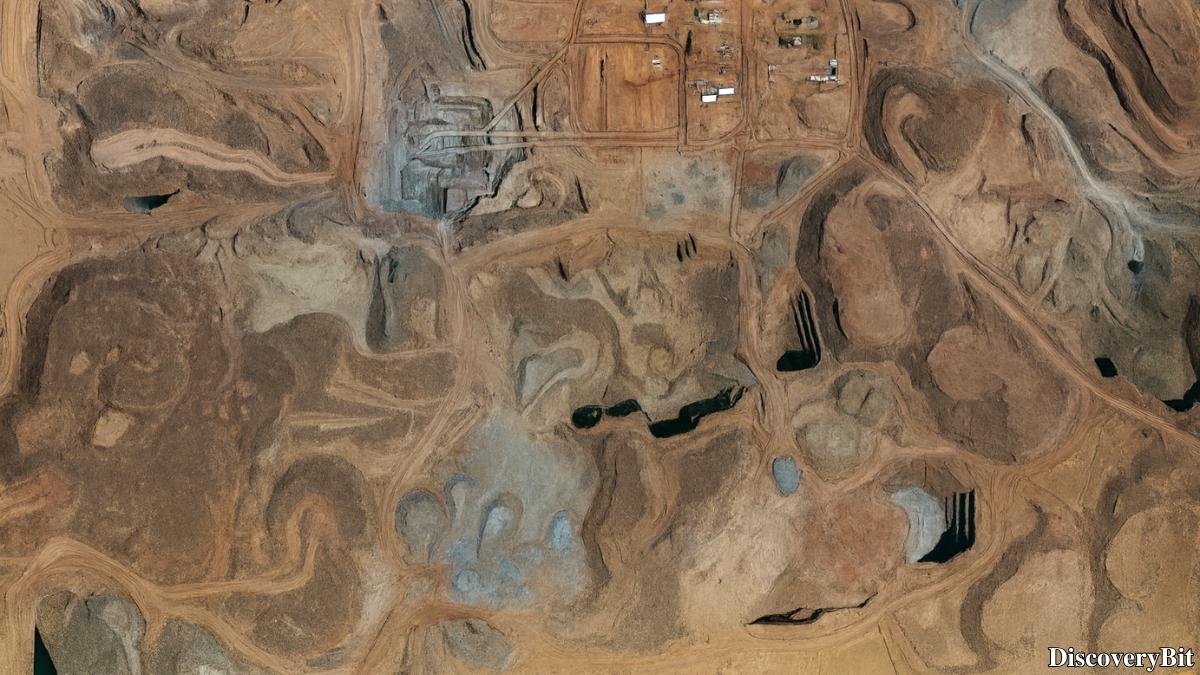
Arlit is a uranium mining town in northern Niger, operated by French company Orano (formerly Areva). The region supplies uranium for global nuclear energy, but mining has left behind radioactive dust, tailings, and contaminated water. Locals report respiratory issues and elevated cancer rates, though official data is scarce. The desert climate and wind help spread radioactive particles, increasing exposure risks. Environmental monitoring is limited, and remediation efforts have been criticized as inadequate. Arlit highlights the environmental injustice of uranium extraction in developing nations, where profits often outweigh health and safety. It’s a stark example of how global energy demands can leave toxic legacies in vulnerable communities.
20) Andreeva Bay, Russia
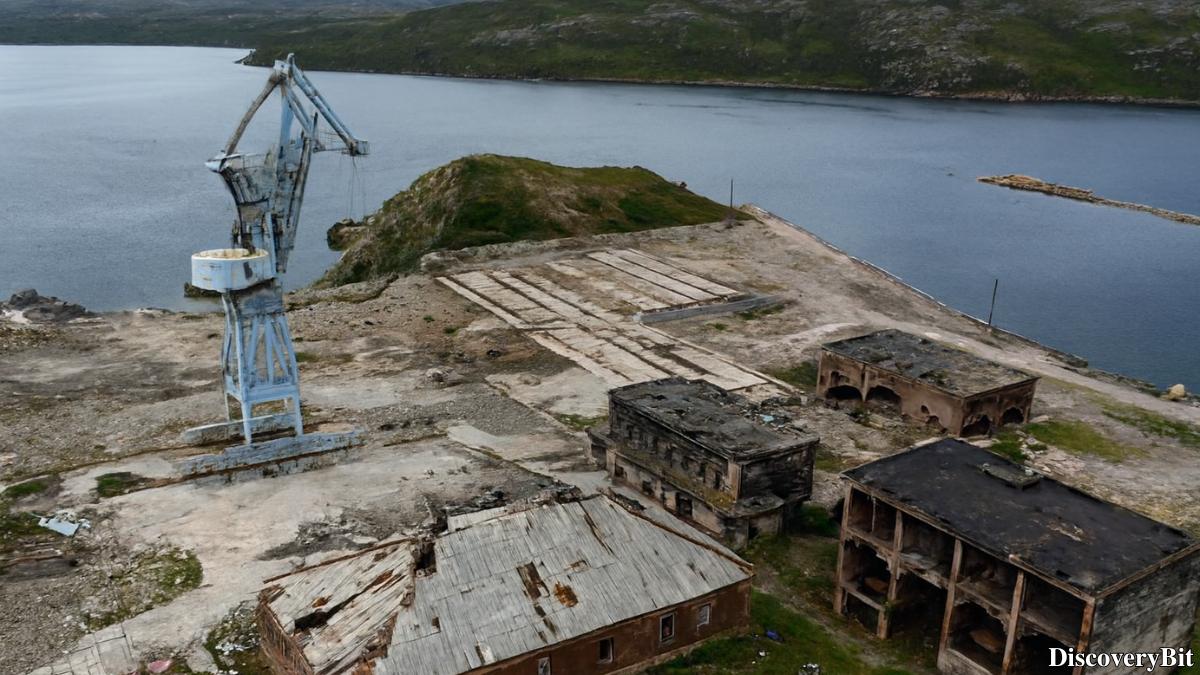
Located near the Norwegian border, Andreeva Bay was a Soviet naval facility for storing spent nuclear fuel from submarines. Poor containment led to leaks into the Barents Sea, raising alarms in neighboring countries. The site, a most radioactive place on earth, holds thousands of fuel assemblies in deteriorating storage pools and containers. International cooperation, including Norwegian funding, has supported cleanup efforts, but progress is slow. The Arctic climate complicates remediation, and the risk of marine contamination remains high. Andreeva Bay is a chilling reminder of Cold War secrecy and the environmental risks posed by military nuclear infrastructure, especially in ecologically sensitive regions.
21) Lake Karachay, Russia
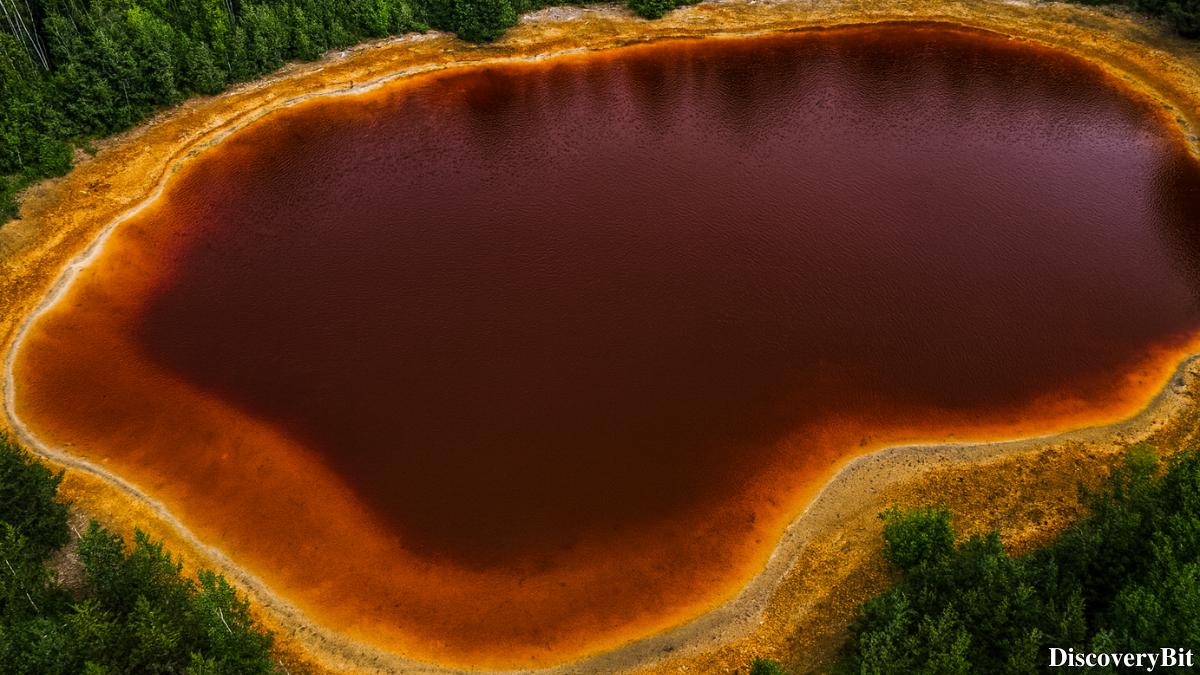
Lake Karachay, adjacent to the Mayak nuclear facility in Russia, is often cited as the most radioactive body of water on Earth. For decades, Mayak dumped high-level radioactive waste directly into the lake, turning it into a toxic reservoir. In the 1990s, standing near its shore for just an hour could deliver a lethal dose of radiation. The lake’s shallow depth and seasonal drying allowed radioactive dust to spread via wind, contaminating surrounding areas. Authorities eventually filled the lake with concrete to prevent further exposure, but underground water remains at risk. Lake Karachay is a chilling example of Cold War-era nuclear negligence and remains a symbol of environmental catastrophe hidden behind Soviet secrecy. 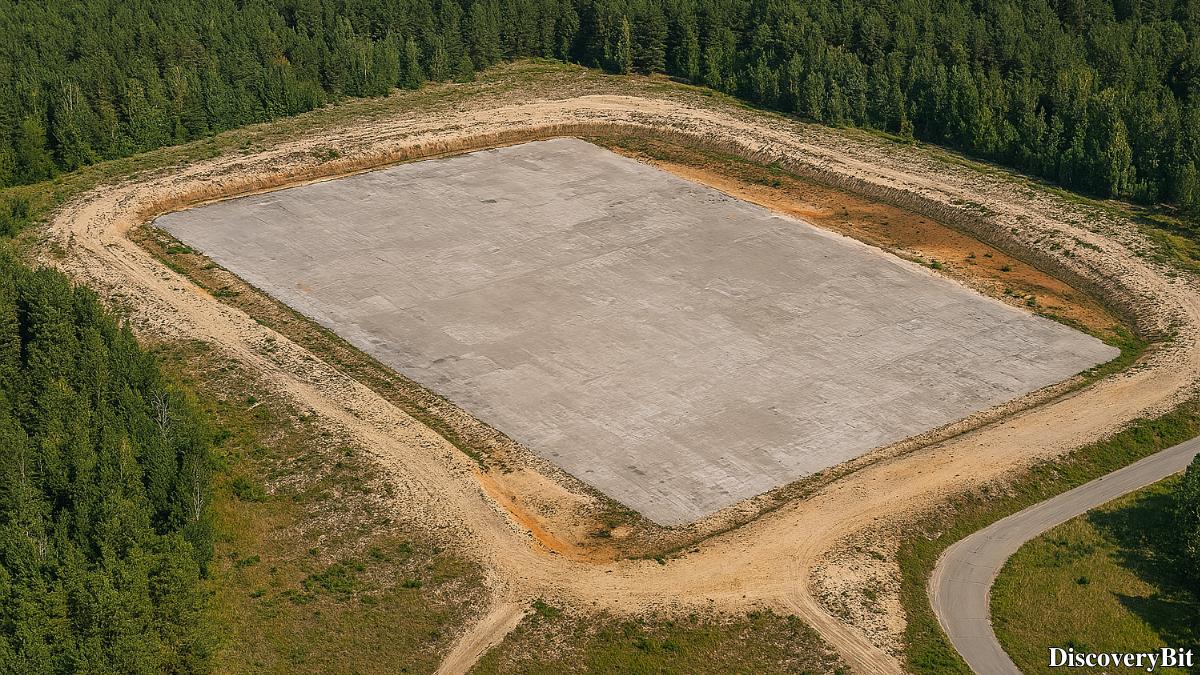
22) Siberian Chemical Combine (Seversk), Russia
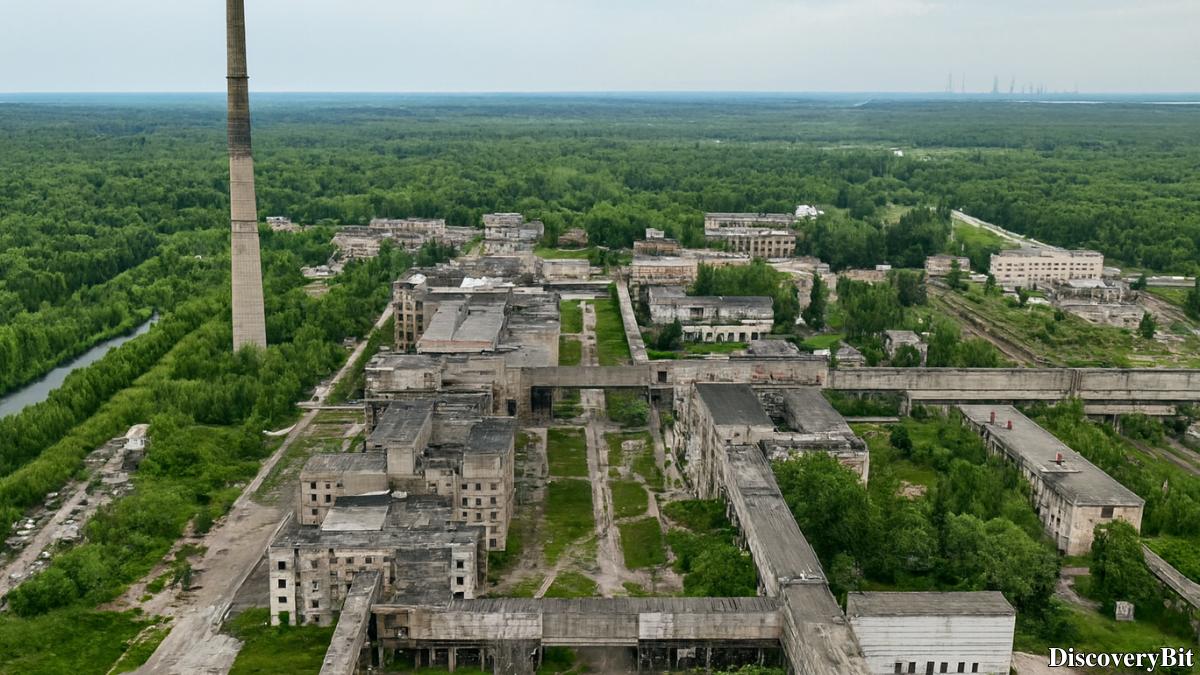
Located in the closed city of Seversk, the Siberian Chemical Combine was a major Soviet facility for producing weapons-grade plutonium and uranium. It houses vast quantities of radioactive waste, including liquid and solid materials stored in open-air pools and aging containers. The site’s poor containment infrastructure poses ongoing risks to groundwater and nearby communities. Despite partial decommissioning, much of the waste remains untreated. The facility’s secrecy and scale make it one of the most hazardous nuclear sites in Russia, and a most radioactive place on earth. Wind, snowmelt, and industrial runoff help propagate contamination. The Siberian Chemical Combine exemplifies the long-term environmental consequences of unchecked nuclear weapons production and the challenges of managing legacy waste in remote, restricted zones.
23) Karunagappalli, India
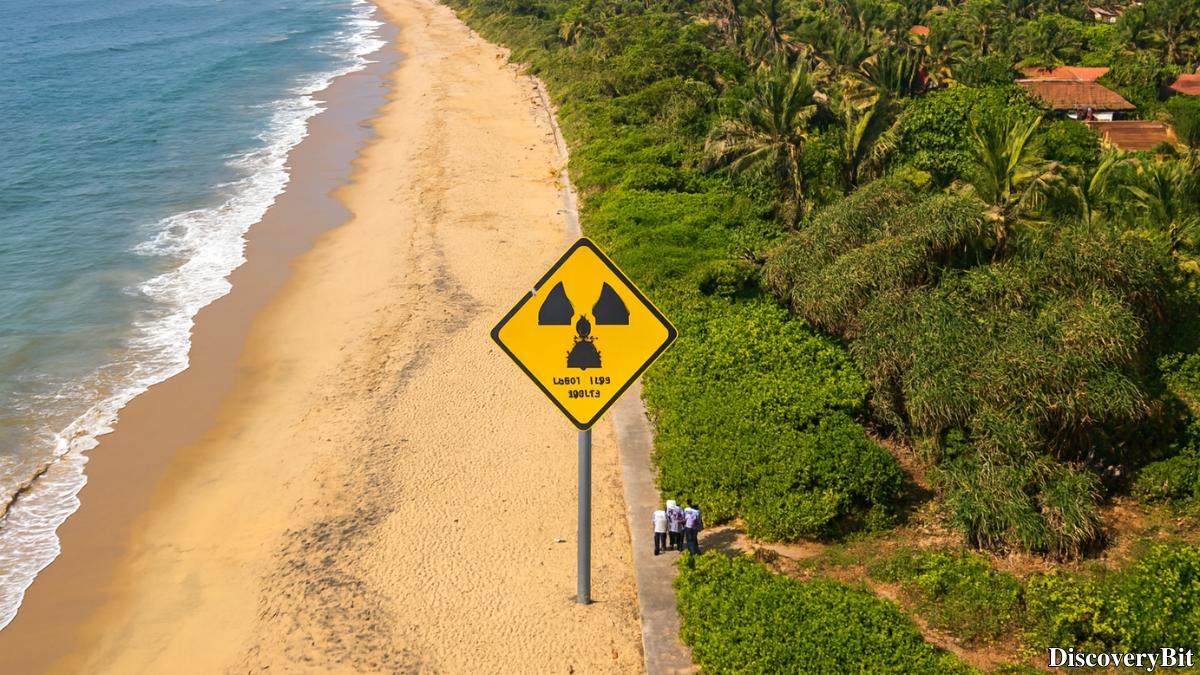
Karunagappalli, a coastal town in Kerala, India, experiences some of the highest natural background radiation levels on Earth due to thorium-rich monazite sands. Unlike most entries on this list, the radiation here is geologically driven, not man-made. Residents receive annual doses far exceeding international safety limits, yet studies show no significant increase in cancer rates, an anomaly that continues to intrigue researchers. The area is not restricted, and locals live, farm, and fish along the radioactive coastline. Karunagappalli challenges conventional assumptions about radiation exposure and health, offering a unique case study in natural radioactivity and human adaptation. It is a rare example of high radiation without industrial disaster.
24) Somalia Coastline
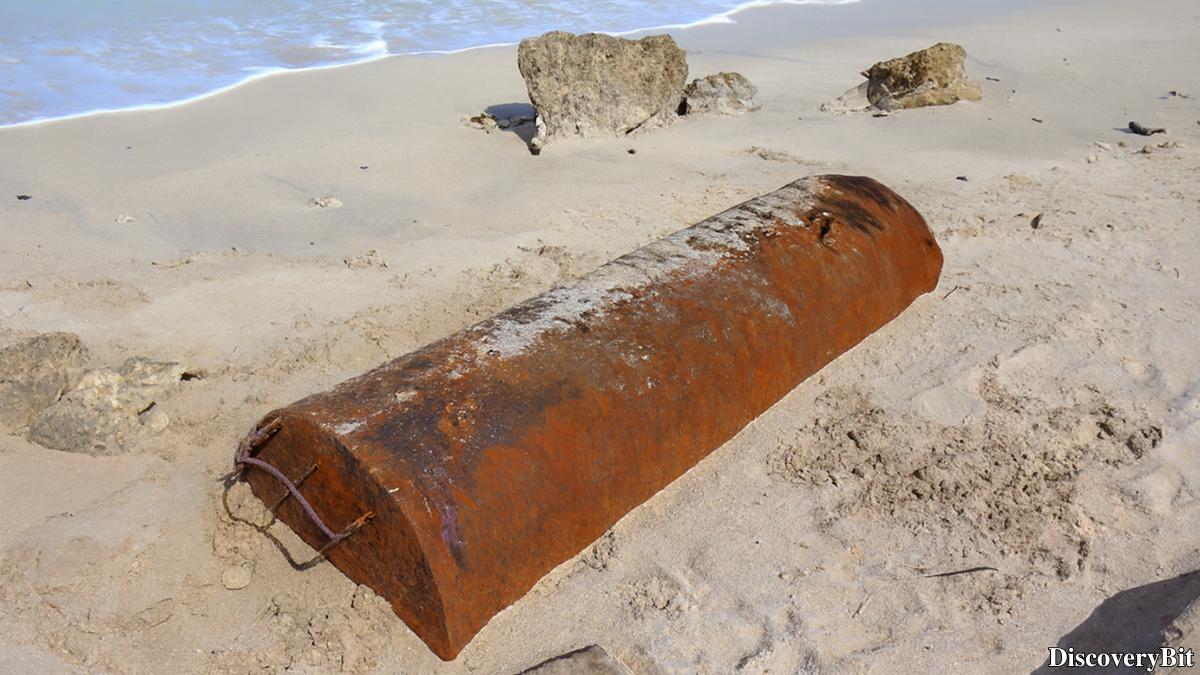
The coastline of Somalia has been plagued by illegal dumping of toxic and potentially radioactive waste, especially during the country’s civil unrest in the 1990s and early 2000s. Foreign vessels reportedly dumped barrels of hazardous materials offshore, taking advantage of the lack of governance. Locals have reported mysterious illnesses, birth defects, and environmental degradation, though documentation remains sparse due to political instability. Tsunamis and coastal erosion have unearthed some of these barrels, raising alarms about long-term contamination. The Somalia coastline is a tragic example of environmental exploitation in conflict zones, where international actors evade accountability and vulnerable populations suffer the consequences of toxic dumping.
25) Ramsar, Iran
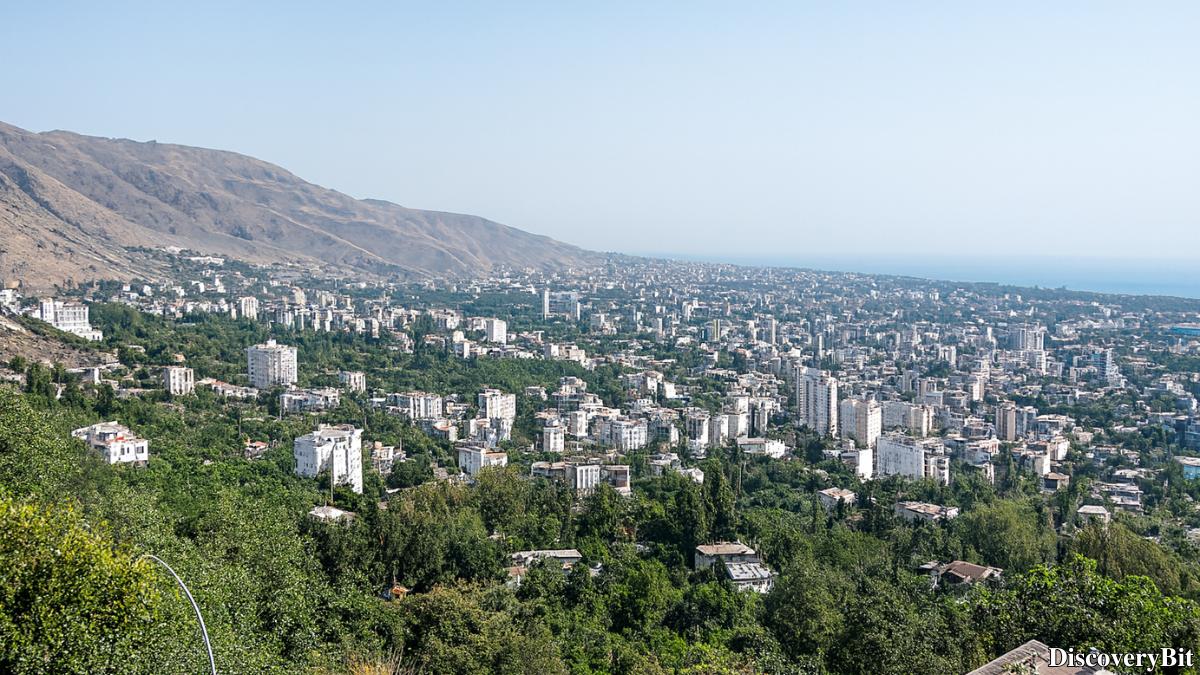
Ramsar, a resort town in northern Iran, contains some of the highest natural background radiation levels globally, primarily due to radium-rich hot springs and building materials made from local stone. In some neighborhoods, residents receive annual doses up to 260 millisieverts, far above the recommended limit of 20 mSv. Surprisingly, studies have not conclusively linked these doses to increased cancer rates, prompting scientific debate. Ramsar is not restricted, and tourism continues. The site challenges conventional radiation safety standards and offers insights into long-term exposure effects. Ramsar, like Karunagappalli, is a rare case where natural geology, and not human error, creates extreme radiation, making it a focal point for radiation biology research.
Tags: Most radioactive place on earth what is the most radioactive place on earth


