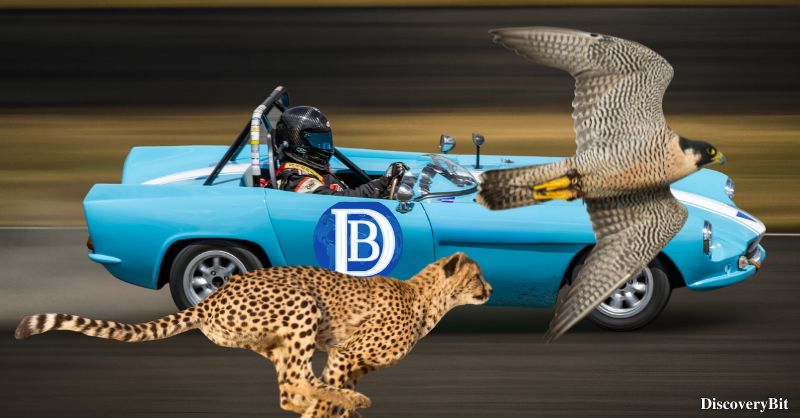
When people search for the fastest animal in the world, the answer is clear: the peregrine falcon, soaring at a staggering 389 km/h (242 mph) during its hunting dive.
But speed is not just about one champion. From land sprinters to ocean rockets, the animal kingdom is packed with velocity superstars.
In this ultimate guide, we will rank the 52 fastest animals in the world, dive into why the peregrine falcon reigns supreme, compare top speeds across habitats, and explore scientific, evolutionary, and storytelling angles to outshine competing posts.
Sit back and enjoy a thrilling ride through nature’s speedway.
The 52 Fastest Animals in the World
Below is a comprehensive list of the 52 fastest animals, categorized by habitat (air, land, water), with speeds in mph for consistency.
Air Speed Animals
1) Peregrine Falcon (Falco peregrinus)
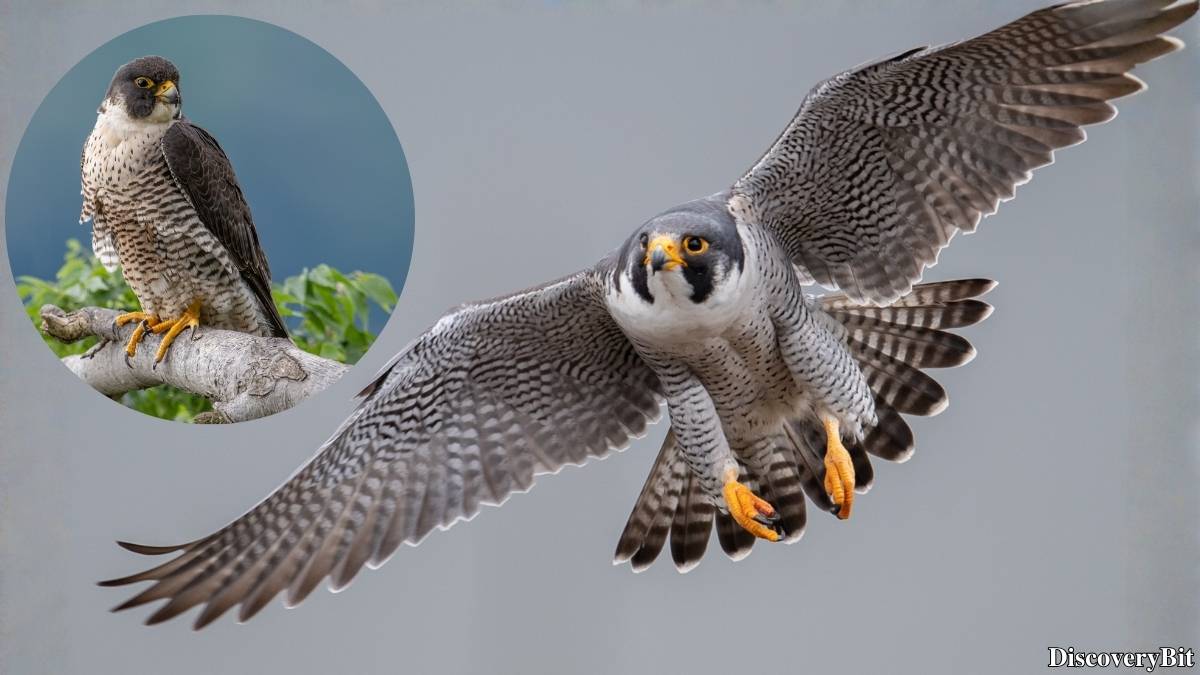
Top Speed: 242 mph
Key Description: The Peregrine Falcon is the undisputed speed king of the natural world. It uses a high-speed power dive to stun prey. While land animals have to fight against wind and friction, the Peregrine Falcon uses gravity to its advantage. By tucking into a streamlined shape, it can spot prey from over a kilometer away and strike with incredible precision. Its record-breaking speed comes from a body built like a jet, with powerful muscles and wings designed for high-speed diving. These birds are master travelers, nesting everywhere from rugged cliffs to city skyscrapers, and some even migrate up to 15,550 miles every year. Found on every continent except Antarctica
Conservation Status: Least Concern (Healthy population)
2) Golden Eagle (Aquila chrysaetos)
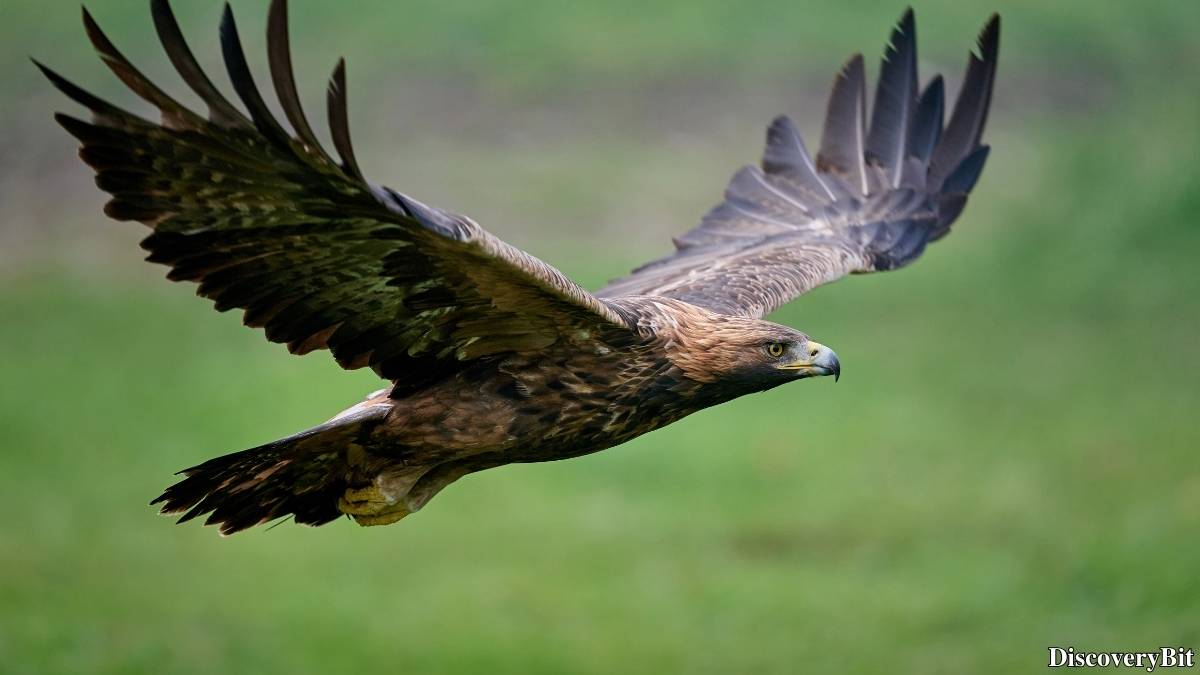
Top Speed: 200 mph
Key Description: Uses gravity to fuel high-speed power dives; hunts mammals in mountains.
Conservation Status: Least Concern (Healthy population)
3) Gyrfalcon (Falco rusticolus)
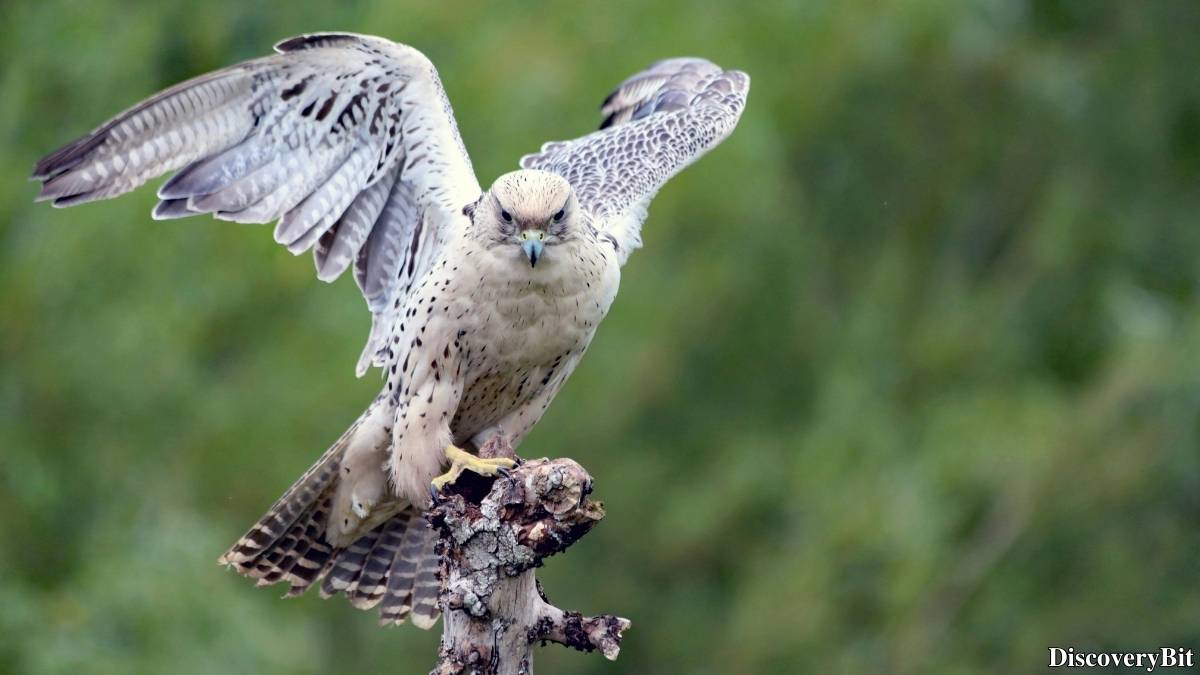
Top Speed: 145 mph
Key Description: Largest falcon; uses steep high-speed power dives to catch waterfowl.
Conservation Status: Least Concern (Healthy population)
4) White-Throated Needletail (Hirundapus caudacutus)
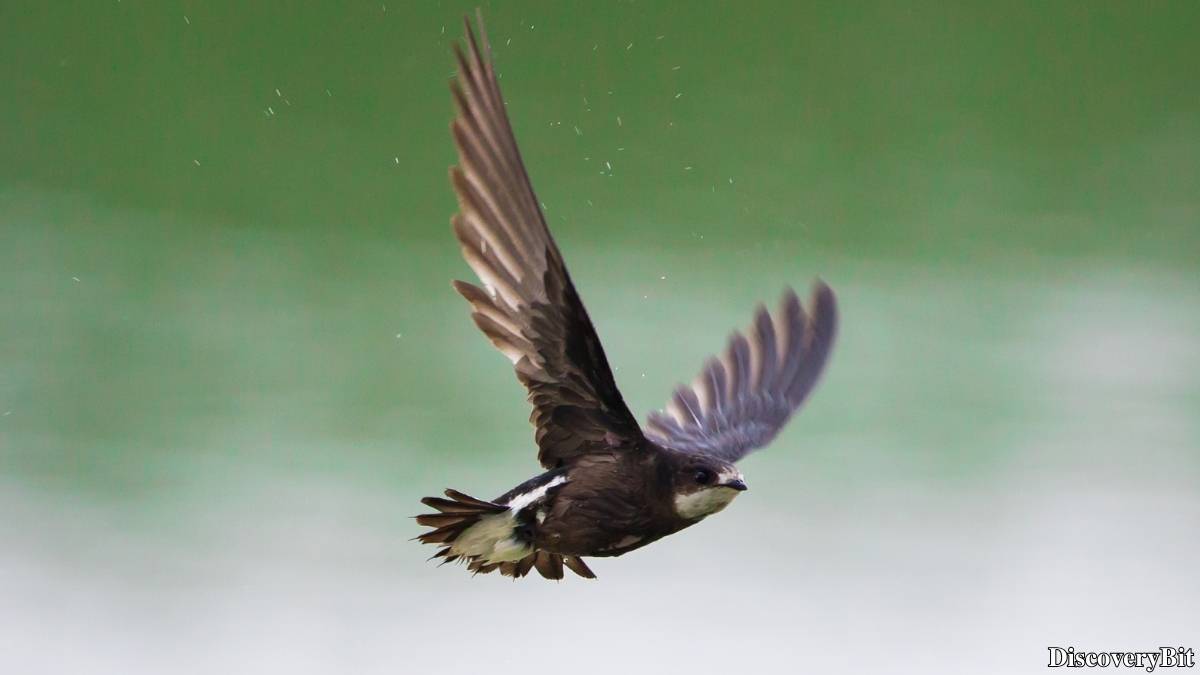
Top Speed: 105 mph
Key Description: Fastest in level flight (no diving); catches insects while flying. Struggles to take off from land; spends most time in flight.
Conservation Status: Least Concern (Healthy population)
5) Mexican Free-Tailed Bat (Tadarida brasiliensis)
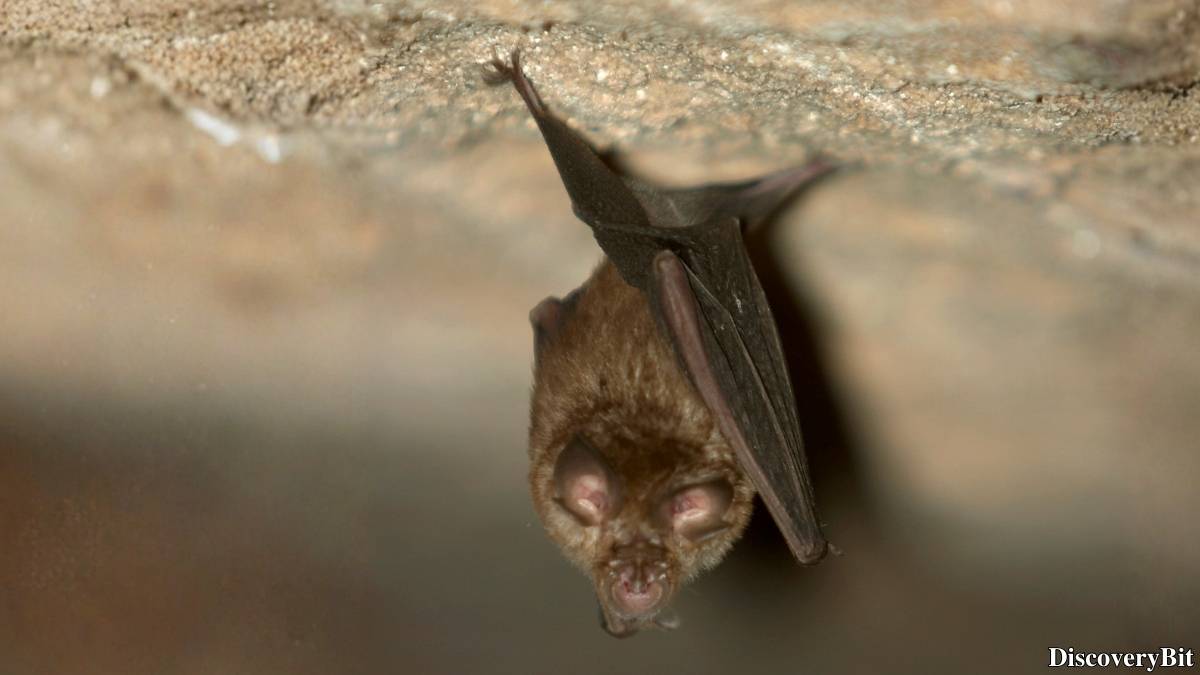
Top Speed: 100 mph
Key Description: Mammal capable of fast level-flight bursts; lives in massive colonies. Uses echolocation to hunt insects at night; fastest mammal in level flight.
Conservation Status: Least Concern (Healthy population)
6) Frigatebird (Fregata magnificens)
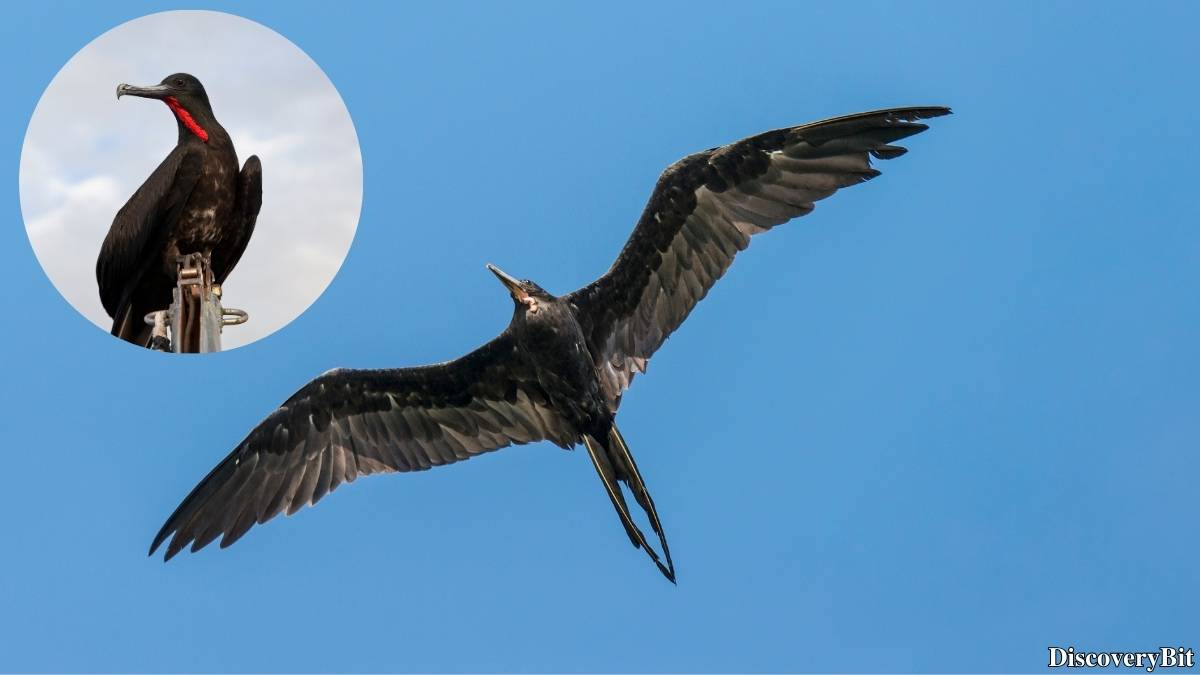
Top Speed: 95 mph
Key Description: Has the largest wings relative to its body; can stay in the air for weeks. Steals food from other birds mid-air (kleptoparasitism).
Conservation Status: Vulnerable (Population at risk)
7) Horsefly (Tabanus bovinus)
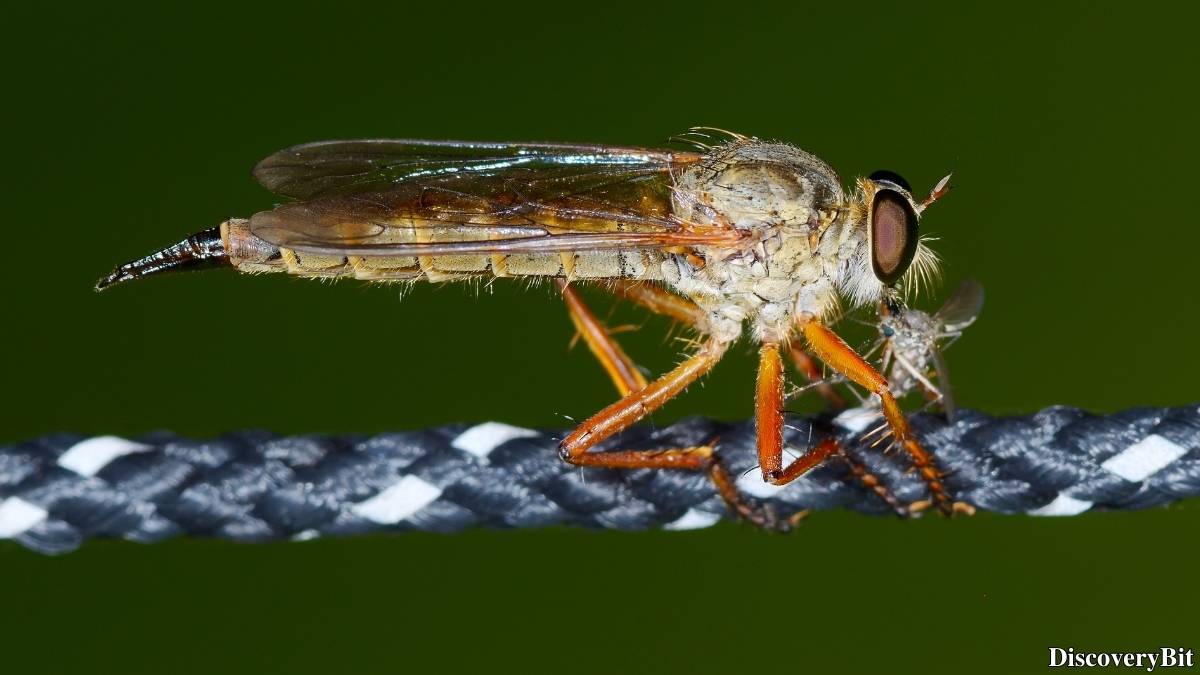
Top Speed: 90 mph
Key Description: Fastest flying insect; males reach top speeds while chasing mates. Performs fighter-jet-like aerial maneuvers.
Conservation Status: Least Concern (Healthy population)
8) Spur-Winged Goose (Plectropterus gambensis)
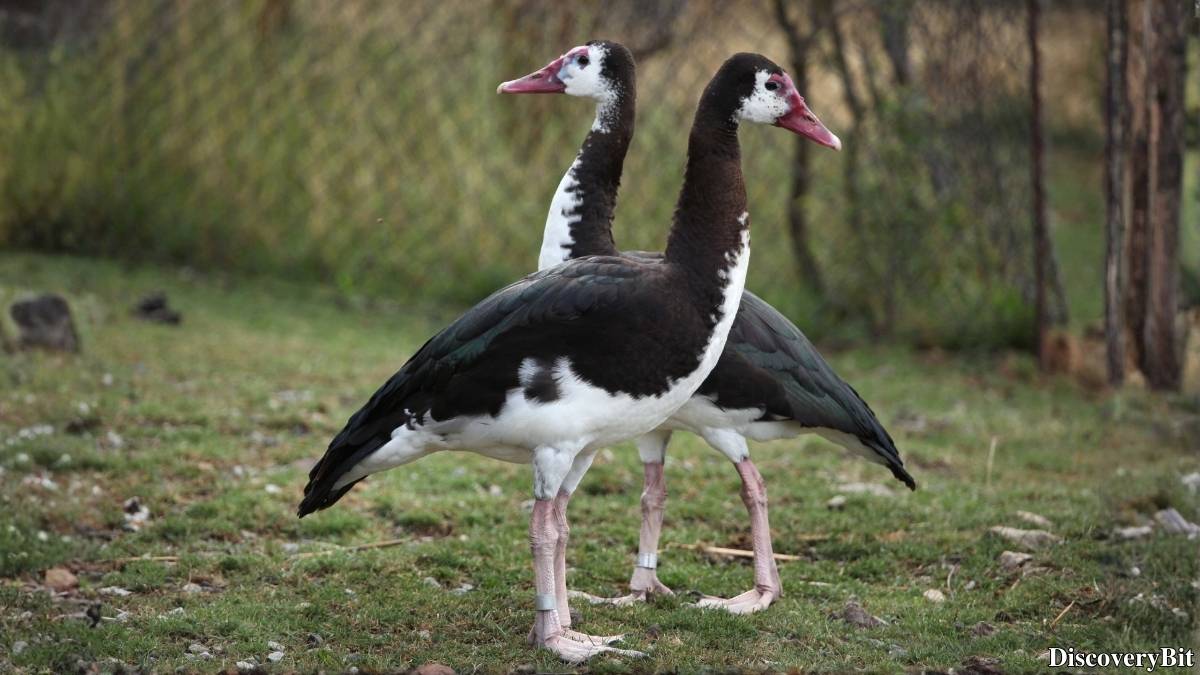
Top Speed: 88 mph
Key Description: Heavy bird that achieves high speeds through powerful, rapid wingbeats.
Conservation Status: Least Concern (Healthy population)
9) Grey-Headed Albatross (Thalassarche chrysostoma)
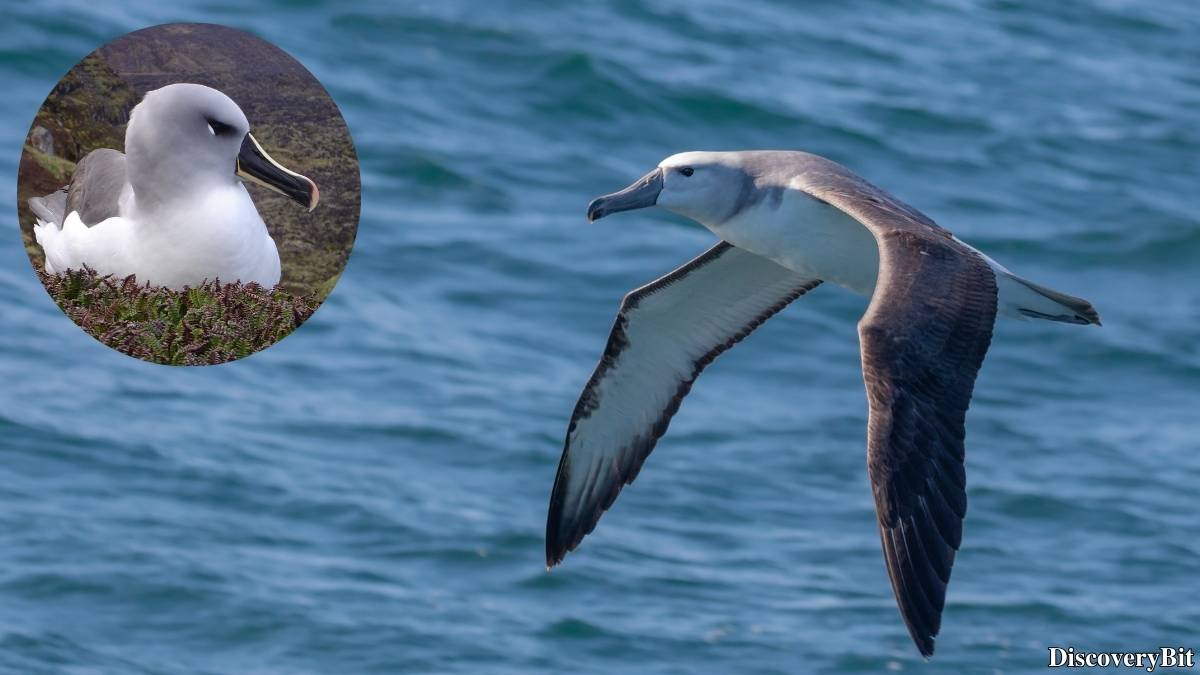
Top Speed: 80 mph
Key Description: Efficiently glides over waves for long distances with locked wings.
Conservation Status: Vulnerable (Population at risk)
10) Canvasback Duck (Aythya valisineria)
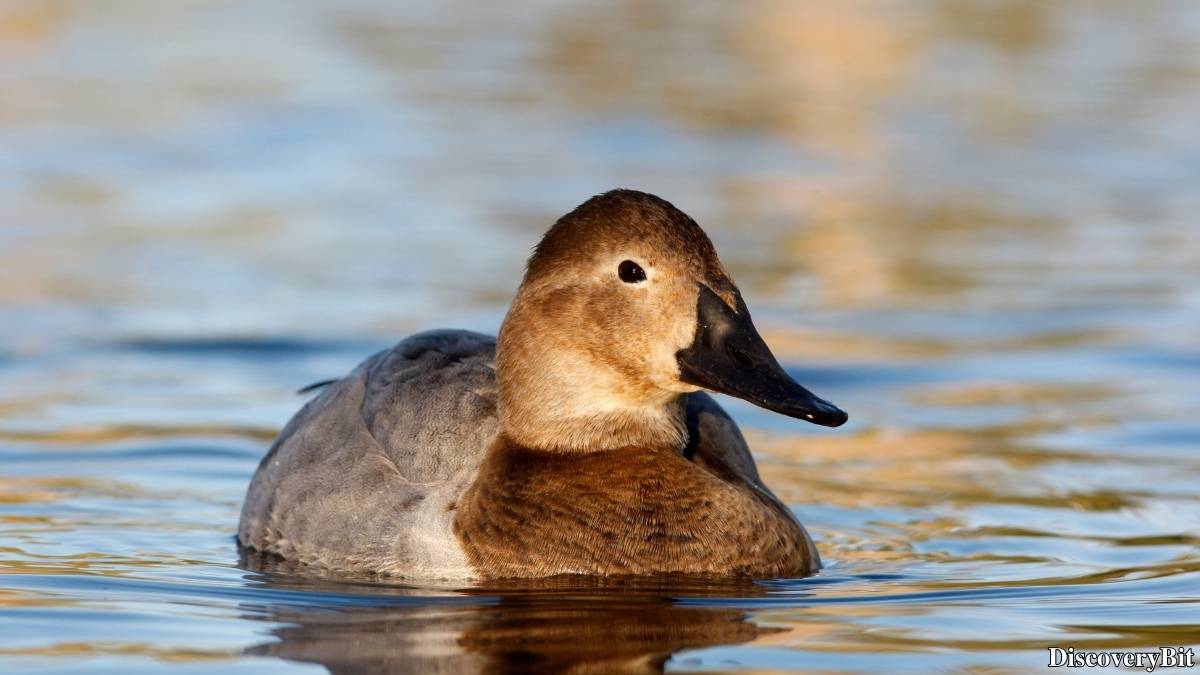
Top Speed: 75 mph
Key Description: Strong wingbeats for level flight; dives for aquatic plants.
Conservation Status: Least Concern (Healthy population)
11) Red-Breasted Merganser (Mergus serrator)
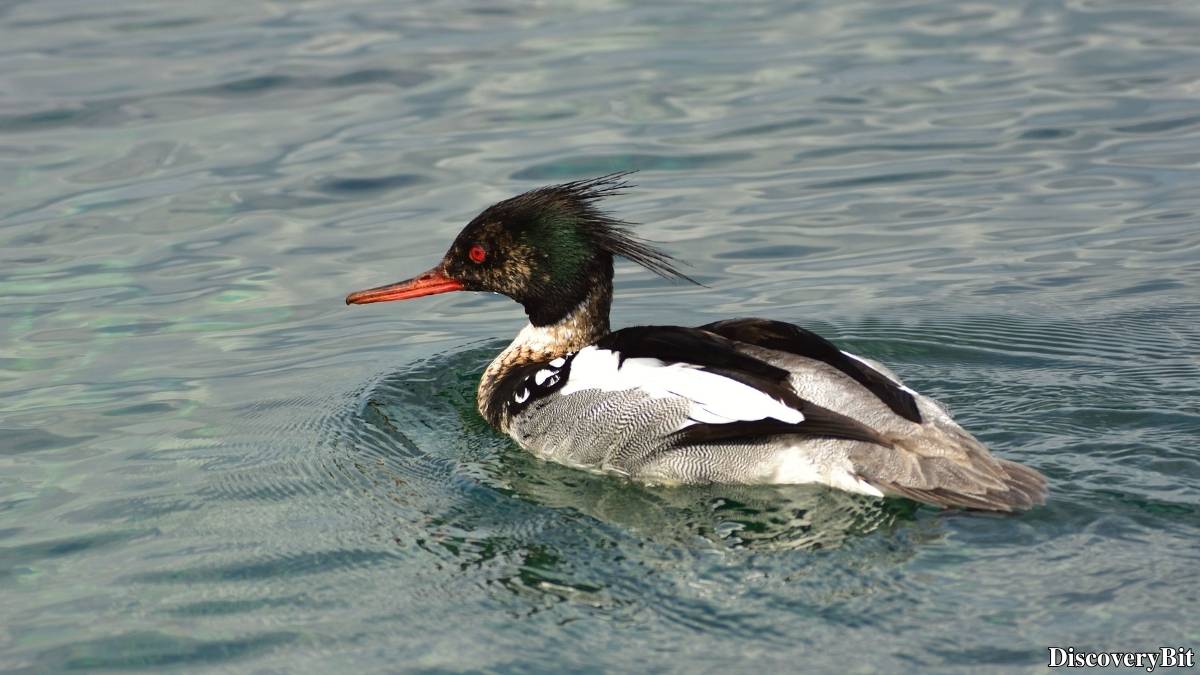
Top Speed: 70 mph
Key Description: Streamlined for fast flight and diving underwater to catch fish. Recorded speeds up to 100 mph with tailwind assistance.
Conservation Status: Least Concern (Healthy population)
12) Common Swift (Apus apus)
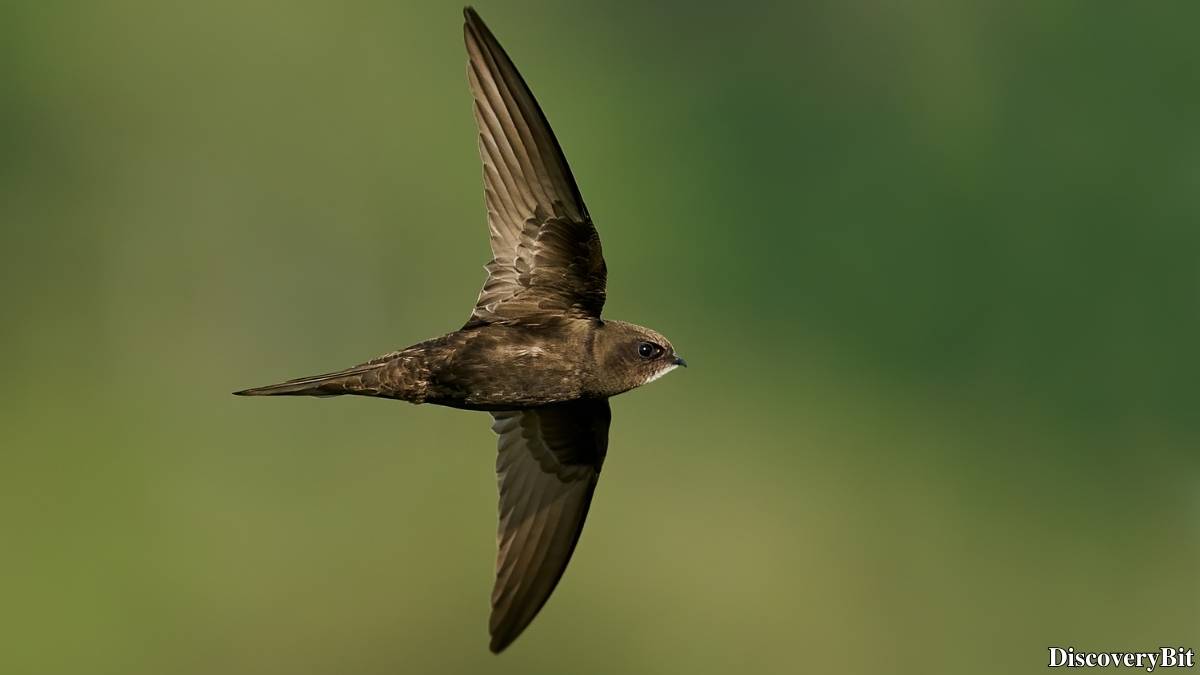
Top Speed: 69 mph
Key Description: Extremely aerial; stays in the air for up to 10 months nonstop. Holds record for longest continuous flight among birds.
Conservation Status: Amber/Stable (Locally monitored)
13) Eurasian Hobby (Falco subbuteo)
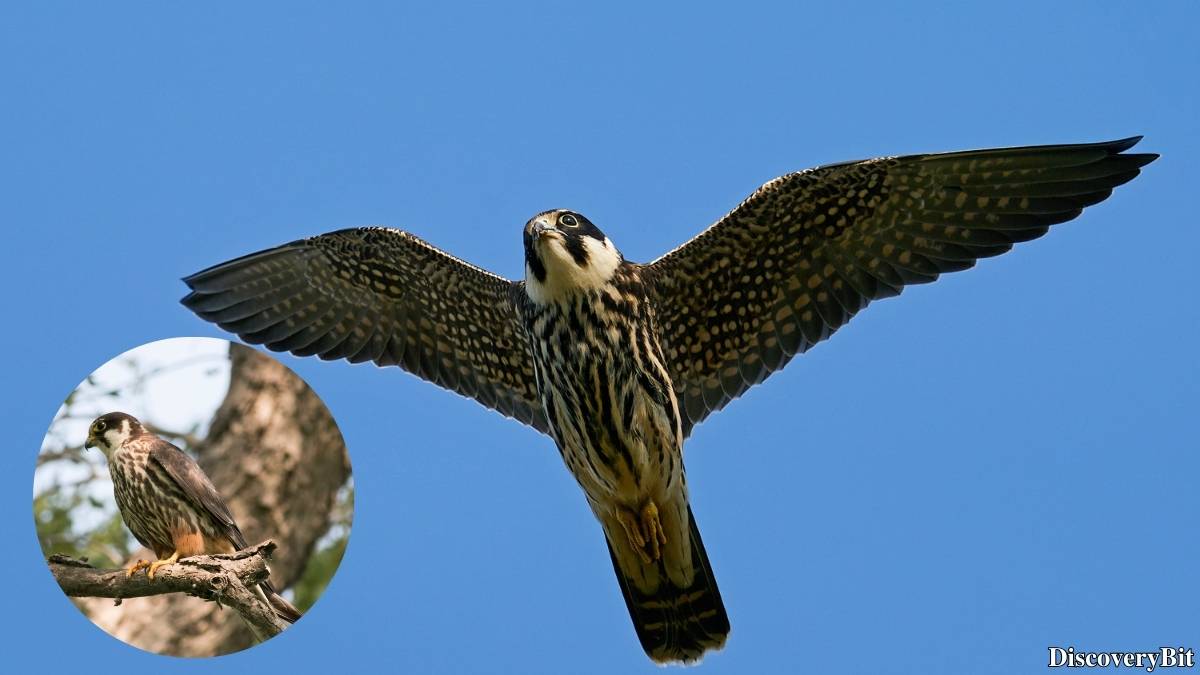
Top Speed: 65 mph
Key Description: Agile falcon that catches insects and small birds mid-air. Exquisite mid-air control; passes food in flight during courtship.
Conservation Status: Least Concern (Healthy population)
14) Horned Sungem (Heliactin bilophus)
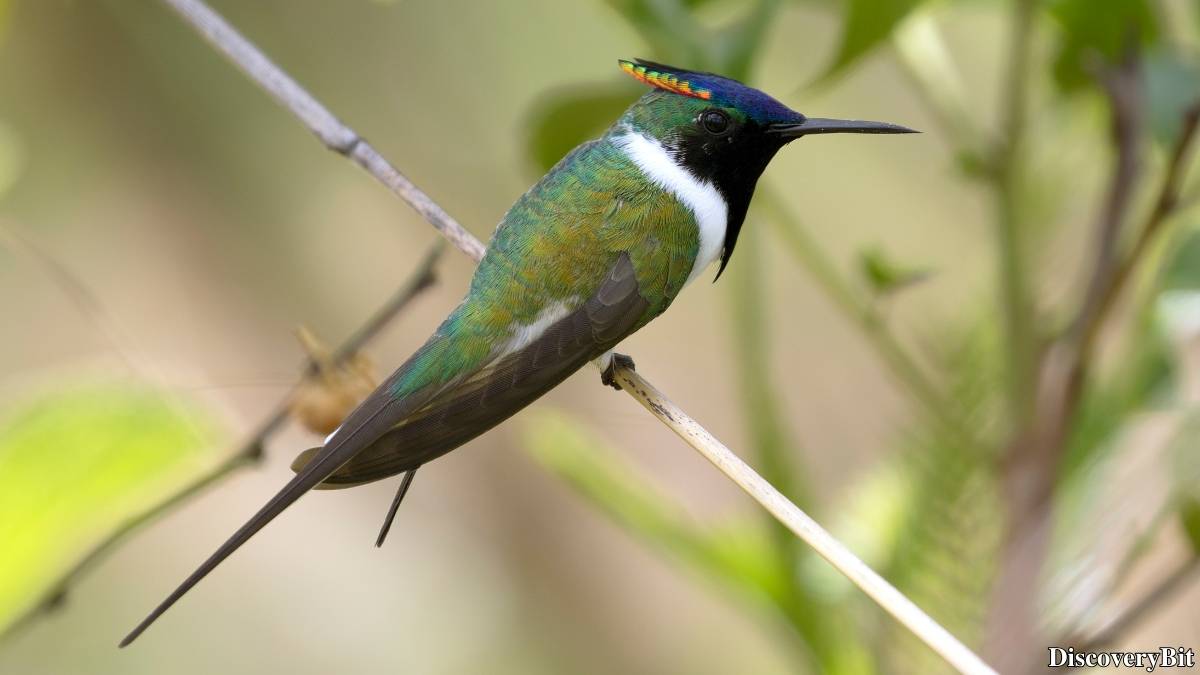
Top Speed: 60 mph
Key Description: Tiny hummingbird that uses rapid wingbeats and small dives for display.
Conservation Status: Least Concern (Healthy population)
15) Anna’s Hummingbird (Calypte anna)
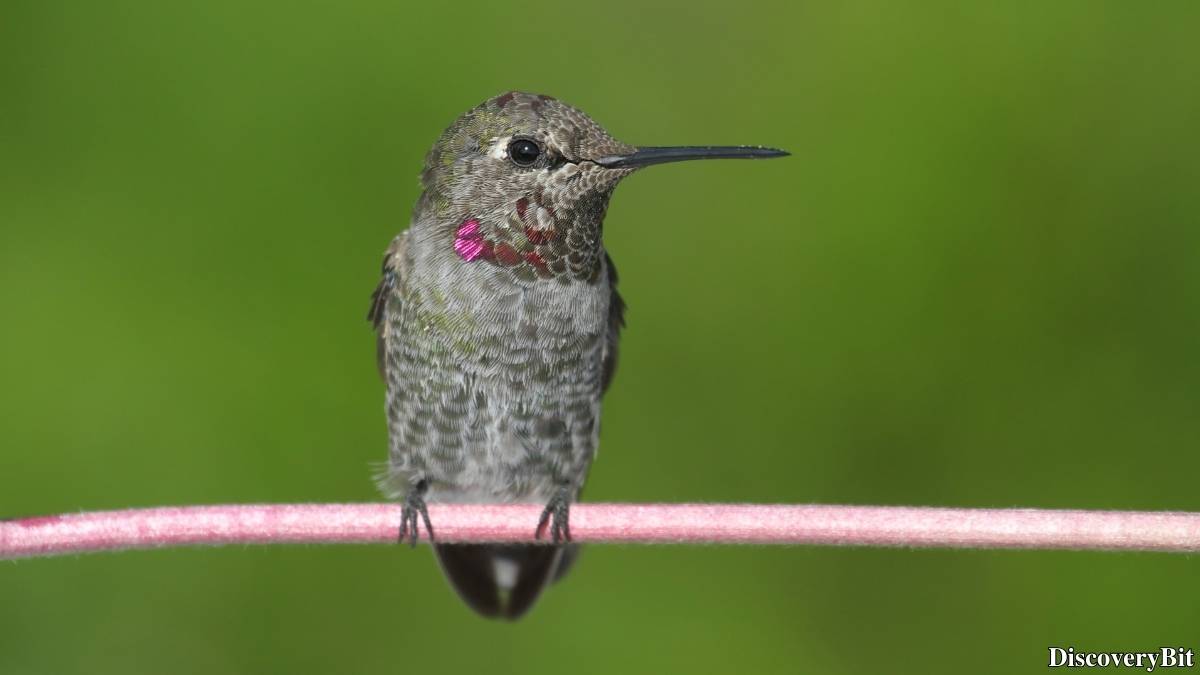
Top Speed: 55 mph
Key Description: High-speed power dives pull 10G forces; expanding its range. Uses speed in courtship displays; wingbeats 50-80 times per second.
Conservation Status: Least Concern (Healthy population)
16) Black Swift (Cypseloides niger)
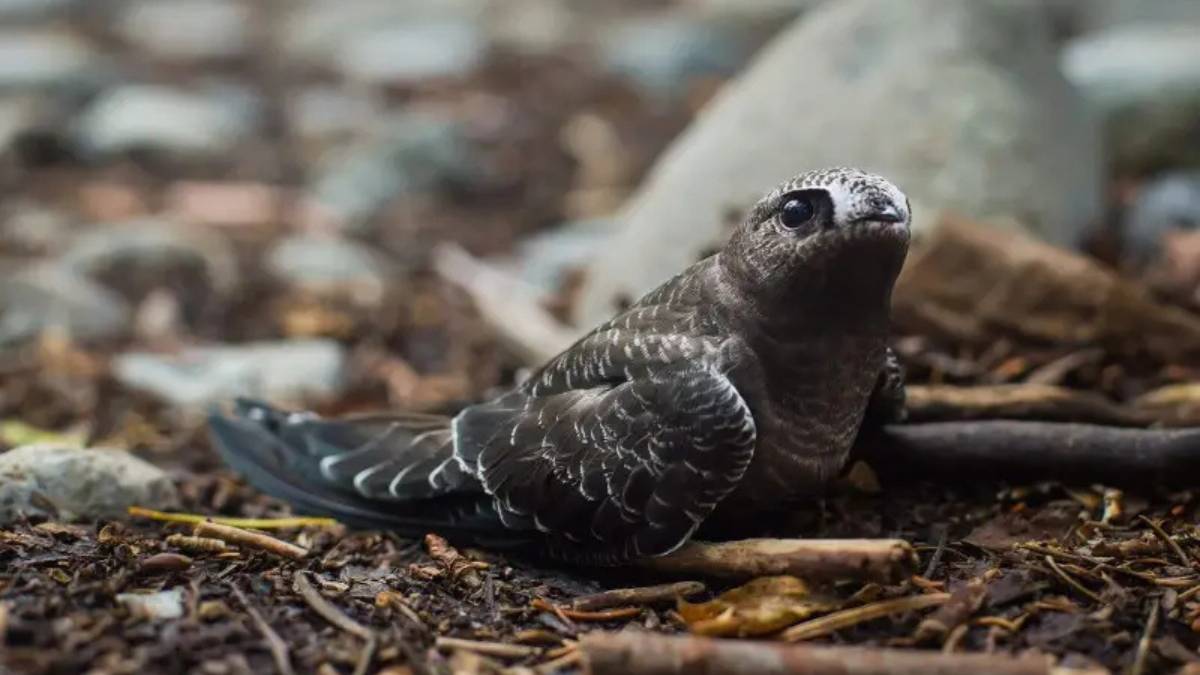
Image Credit: Animalia.bio.com
Top Speed: 50 mph
Key Description: Uses long wings for gliding; often nests behind waterfalls.
Conservation Status: Least Concern (Healthy population)
17) Merlin (Falco columbarius)
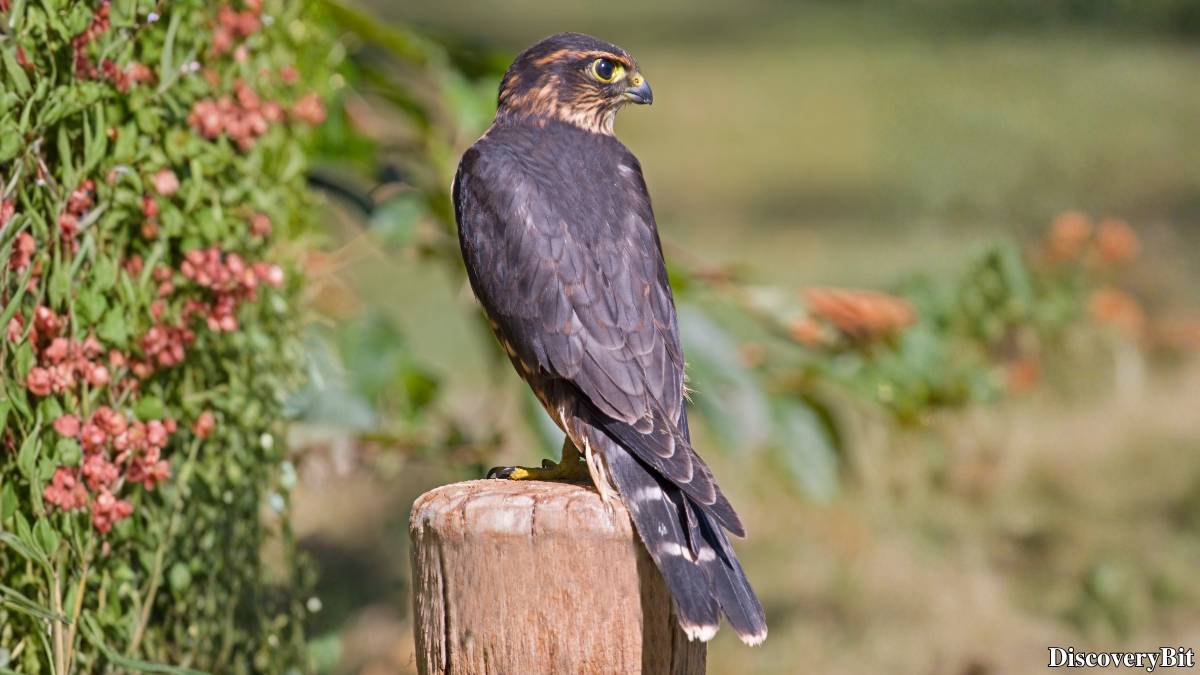
Top Speed: 45 mph
Key Description: Small, aggressive falcon that uses surprise attacks on small birds.
Conservation Status: Least Concern (Healthy population)
18) Kestrel (Falco tinnunculus)
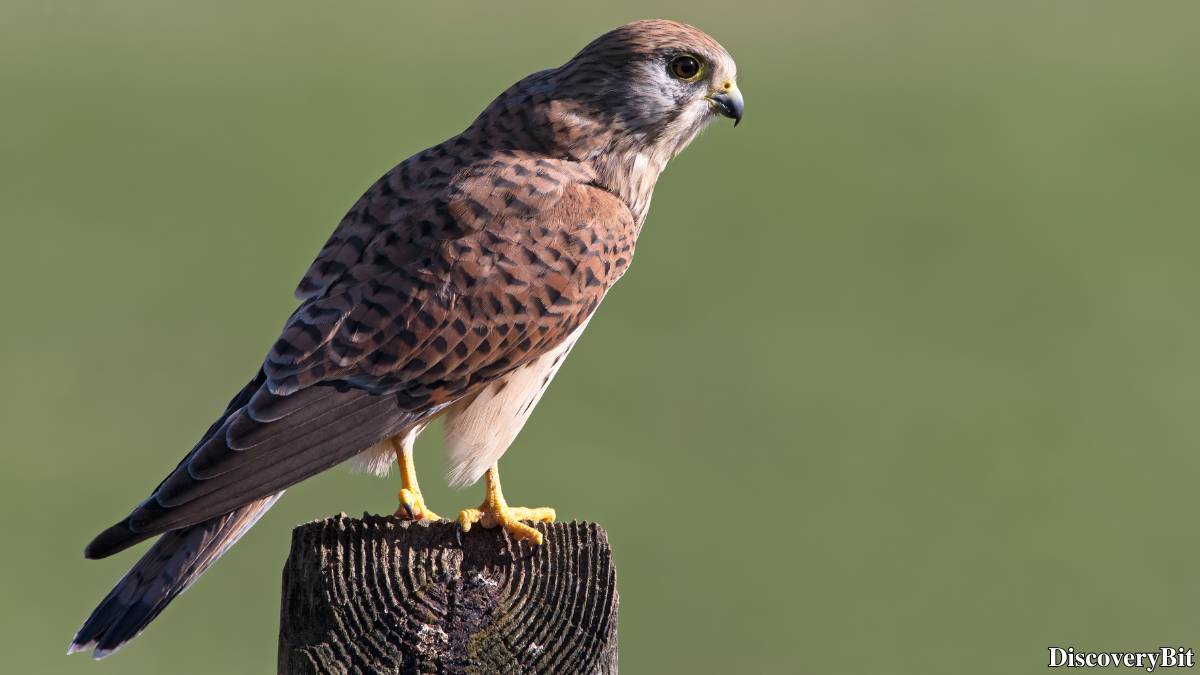
Top Speed: 40 mph
Key Description: Hovers in place on the wind to spot rodents in open fields.
Conservation Status: Least Concern (Healthy population)
Land Speed Animals
19) Cheetah (Acinonyx jubatus)
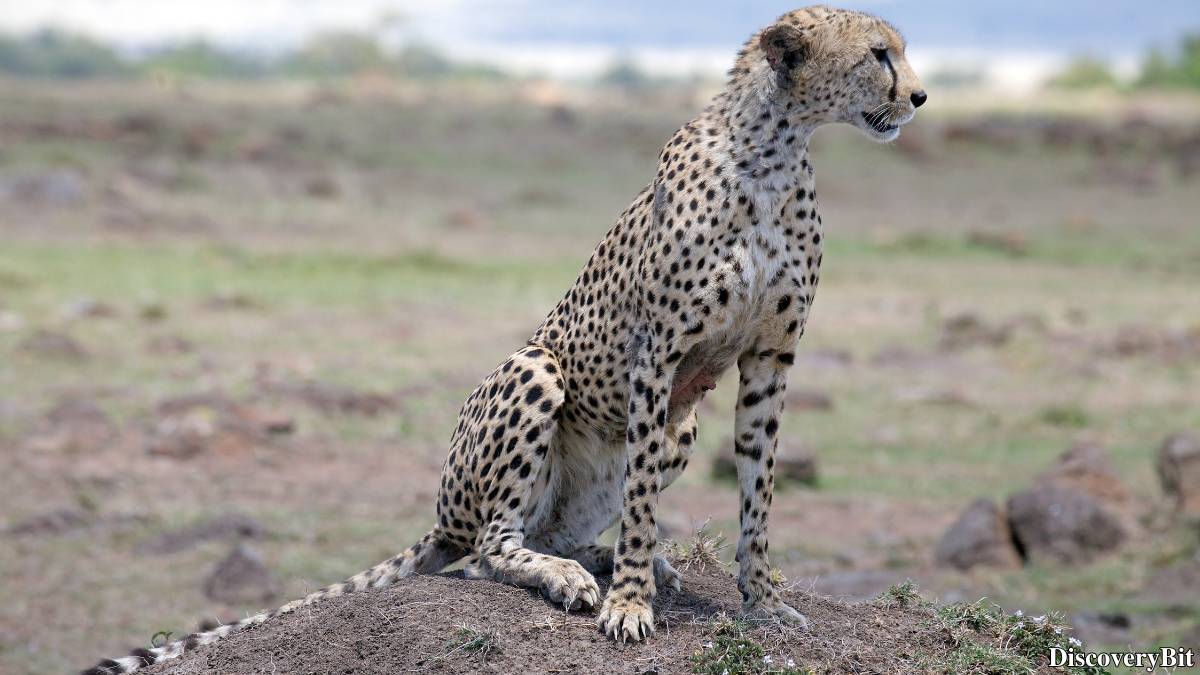
Top Speed: 75 mph
Key Description: Fastest land runner; uses a flexible spine for short, explosive sprints. Accelerates 0-60 mph in under 3 seconds.
Conservation Status: Vulnerable (Population at risk)
20) Pronghorn (Antilocapra americana)
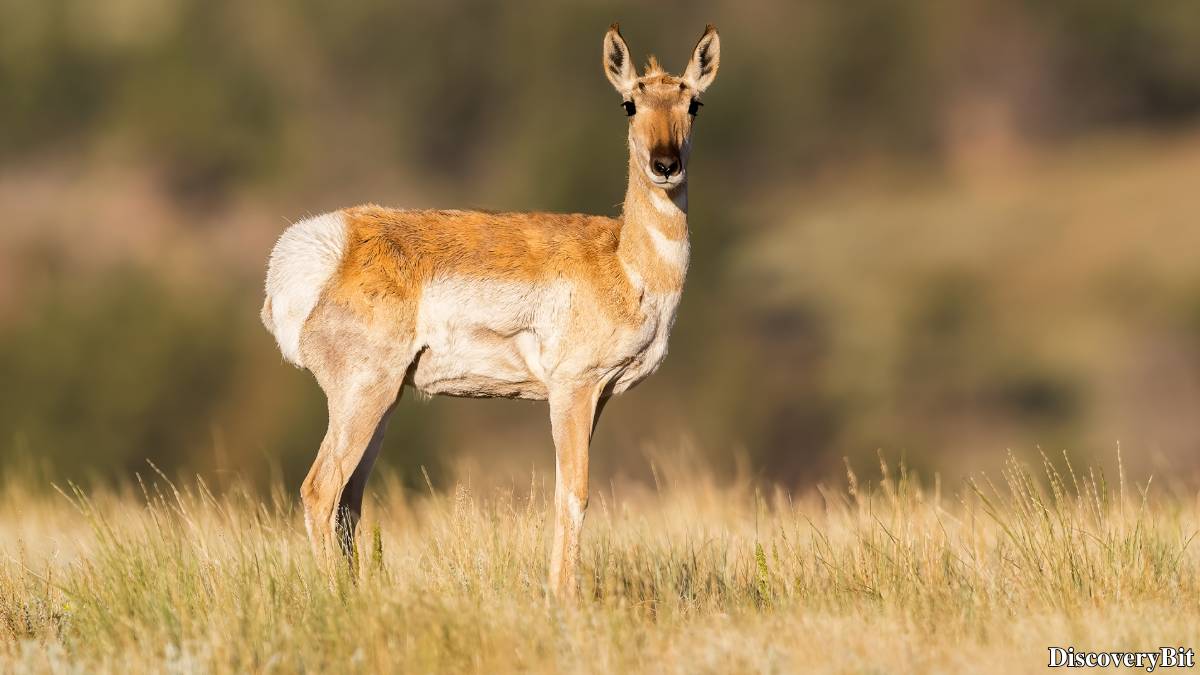
Top Speed: 55 mph
Key Description: Best long-distance runner; maintains high speeds for many miles. Can sustain nearly 35 mph over several miles.
Conservation Status: Least Concern (Healthy population)
21) Springbok (Antidorcas marsupialis)
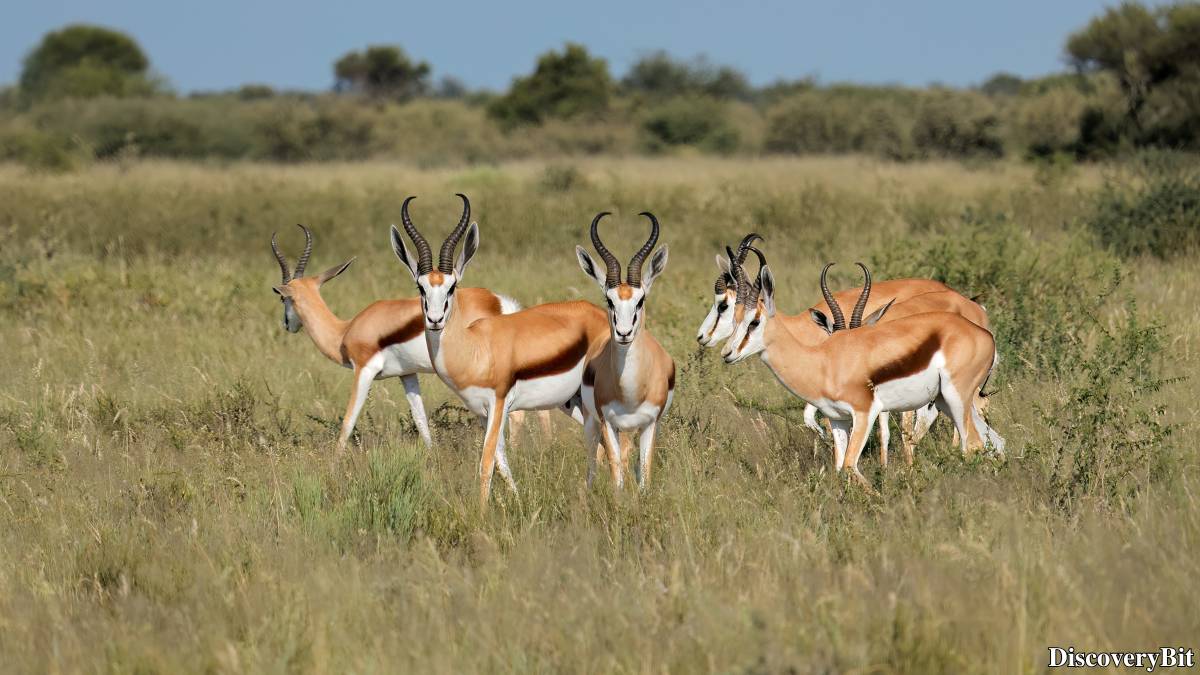
Top Speed: 55 mph
Key Description: Known for “pronking” (leaping high) to evade predators.
Conservation Status: Least Concern (Healthy population)
22) Wildebeest (Connochaetes taurinus)
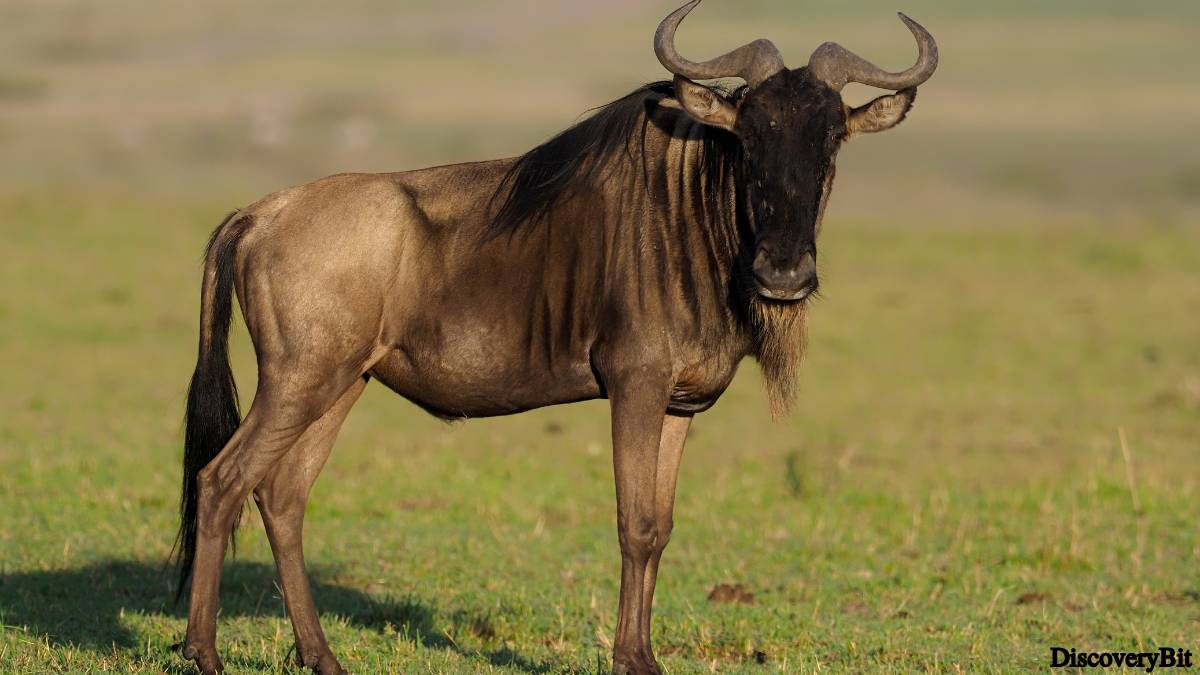
Top Speed: 50 mph
Key Description: Large herds use speed to escape lions during mass migrations. Part of the Great Migration, one of the largest overland mammal migrations.
Conservation Status: Least Concern (Healthy population)
23) Lion (Panthera leo)
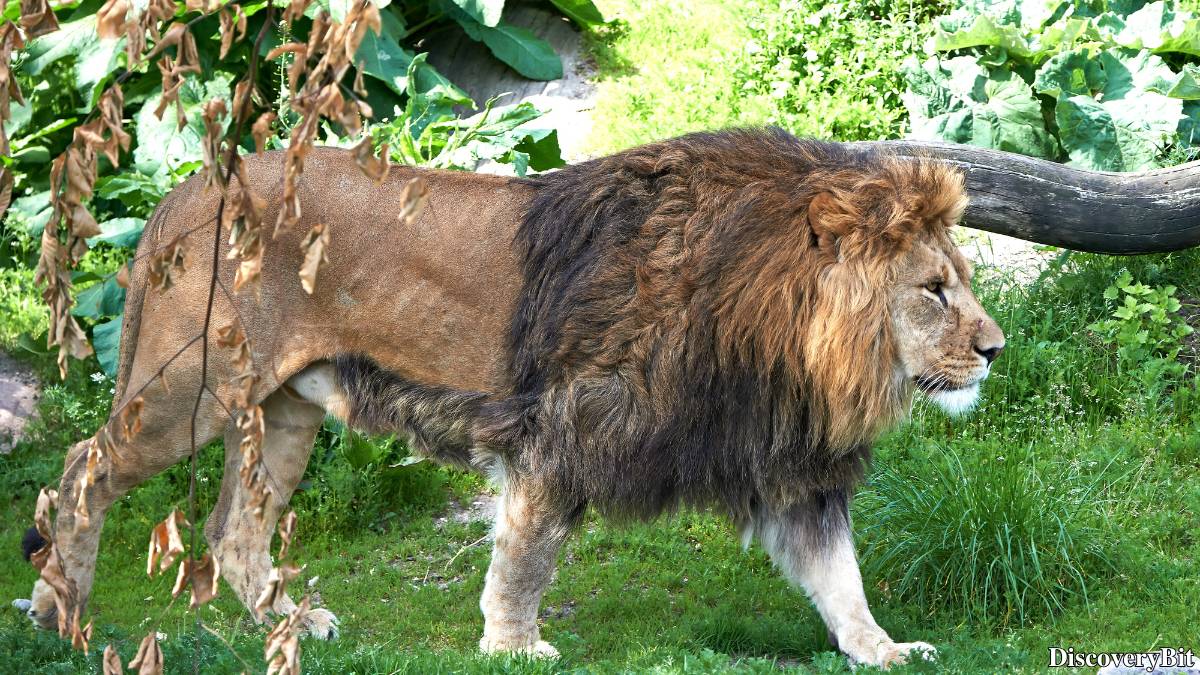
Top Speed: 50 mph
Key Description: Powerful hunter that uses short ambush bursts and pack strategy.
Conservation Status: Vulnerable (Population at risk)
24) Blackbuck (Antilope cervicapra)
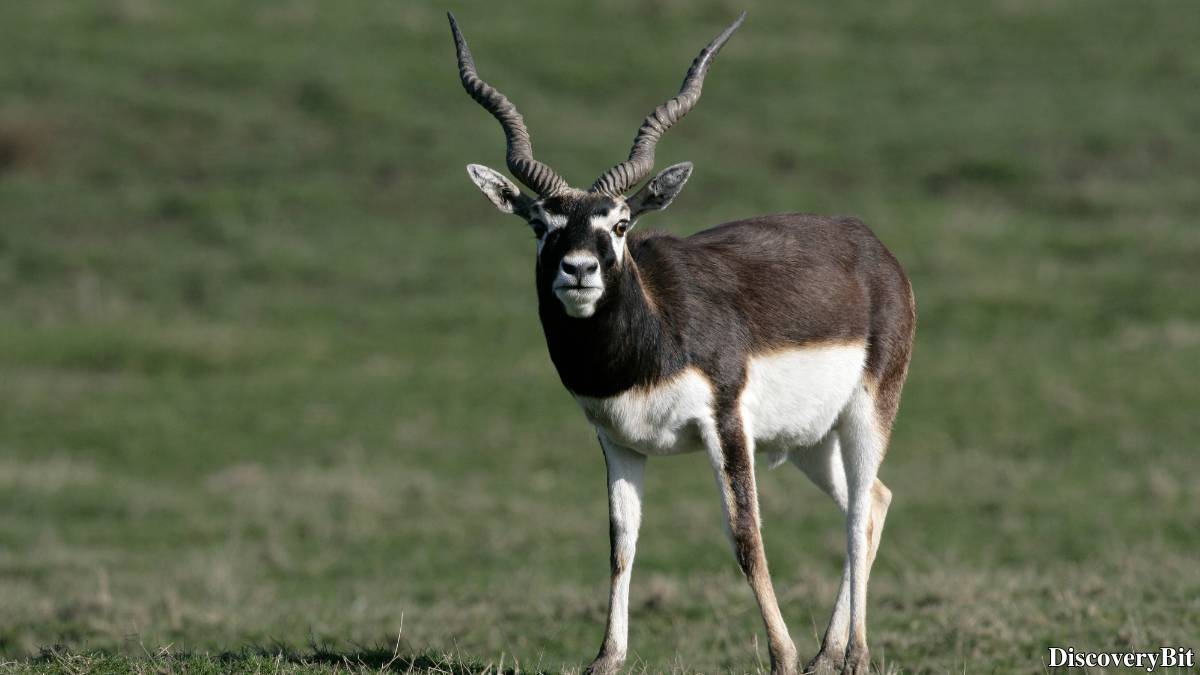
Top Speed: 50 mph
Key Description: Very agile; uses spiral horns and speed for evasion in open areas.
Conservation Status: Near Threatened (Needs monitoring)
25) Greyhound (Canis lupus familiaris)
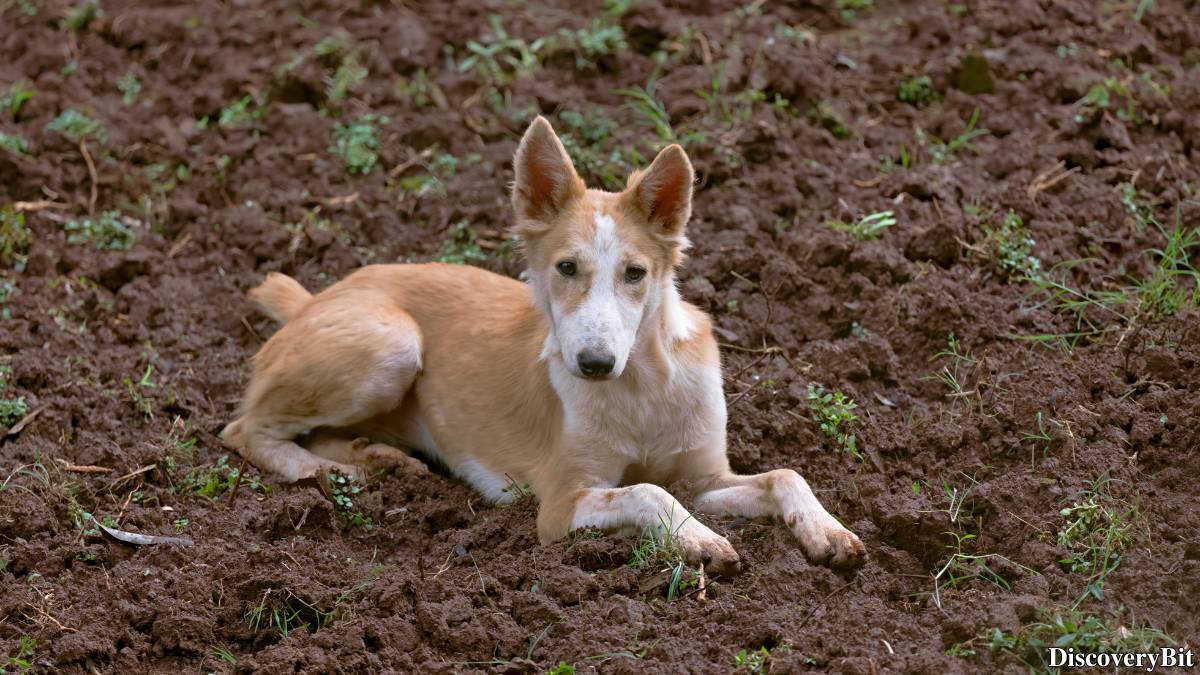
Top Speed: 45 mph
Key Description: Domesticated dog bred specifically for high-speed racing and pursuit.
Conservation Status: Least Concern (Domesticated)
26) Hare (Lepus europaeus)
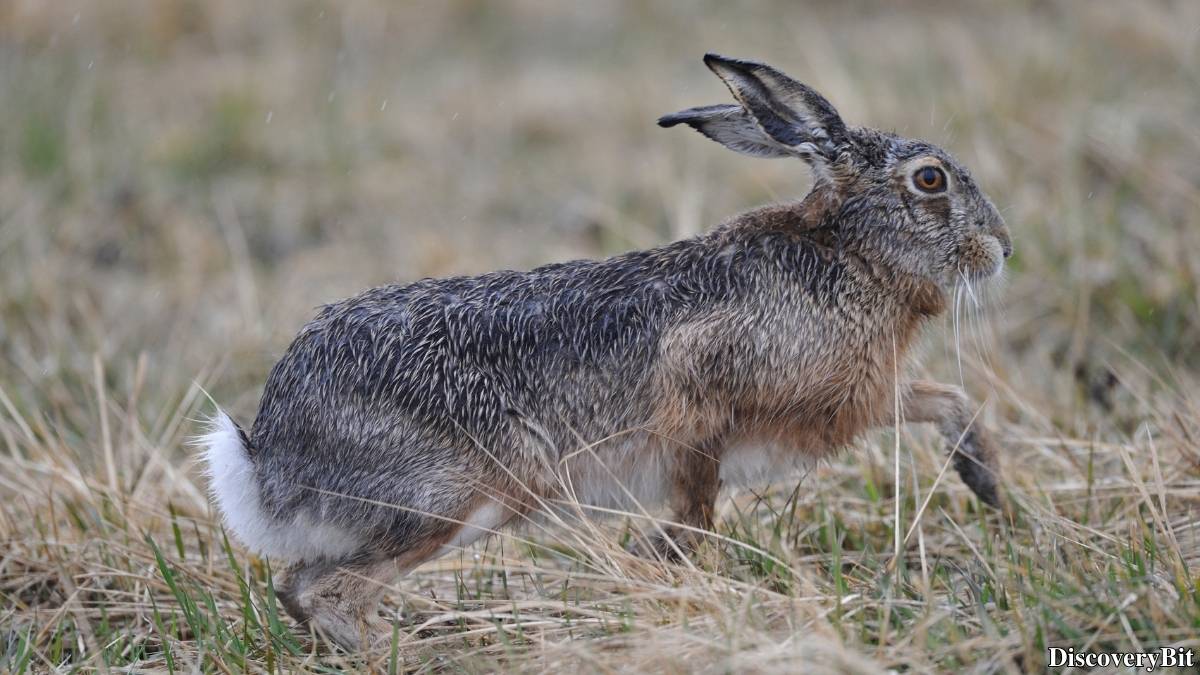
Top Speed: 45 mph
Key Description: Uses powerful hind legs and zigzag runs to escape predators.
Conservation Status: Least Concern (Healthy population)
27) African Wild Dog (Lycaon pictus)
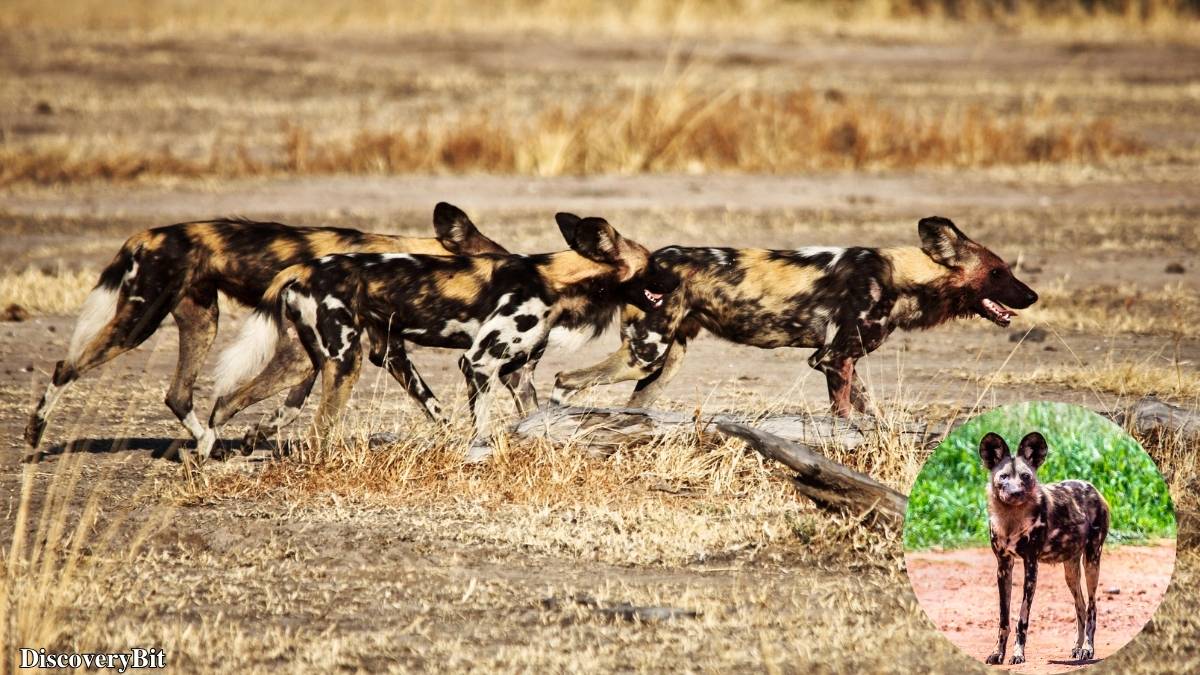
Top Speed: 45 mph
Key Description: Cooperative pack hunter that uses endurance to exhaust its prey.
Conservation Status: Endangered (High risk of extinction)
28) Ostrich (Struthio camelus)
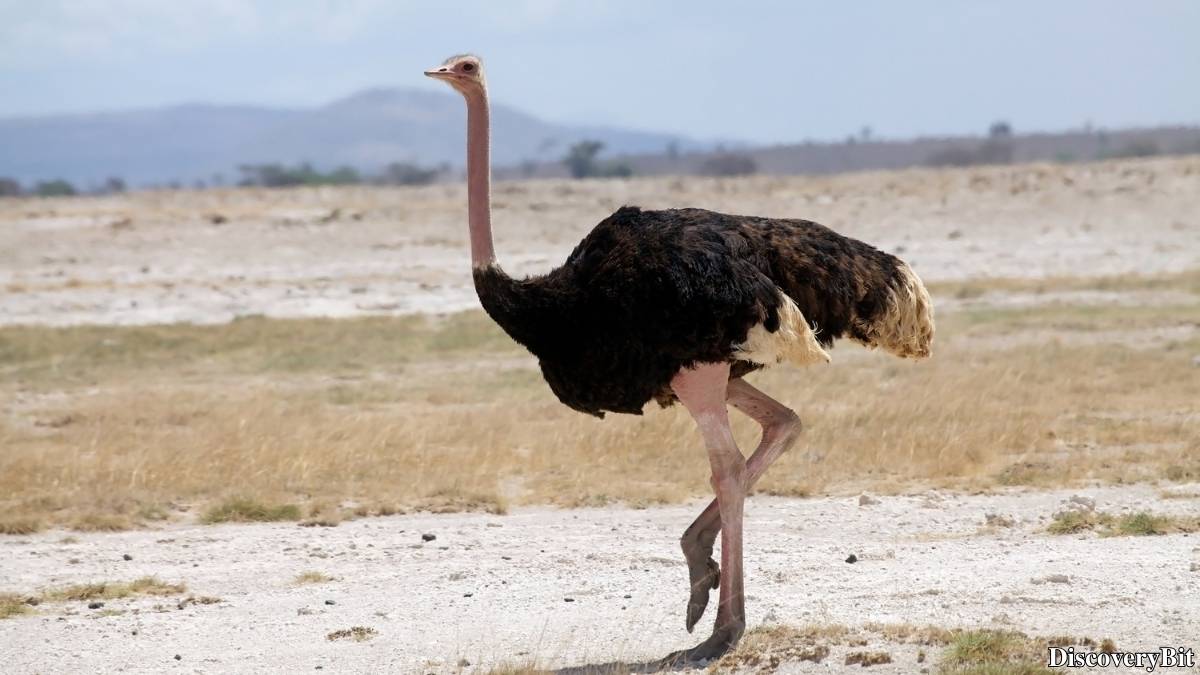
Top Speed: 45 mph
Key Description: Fastest bird on land; powerful legs used for running and defense.
Conservation Status: Least Concern (Healthy population)
29) Kangaroo (Macropus rufus)
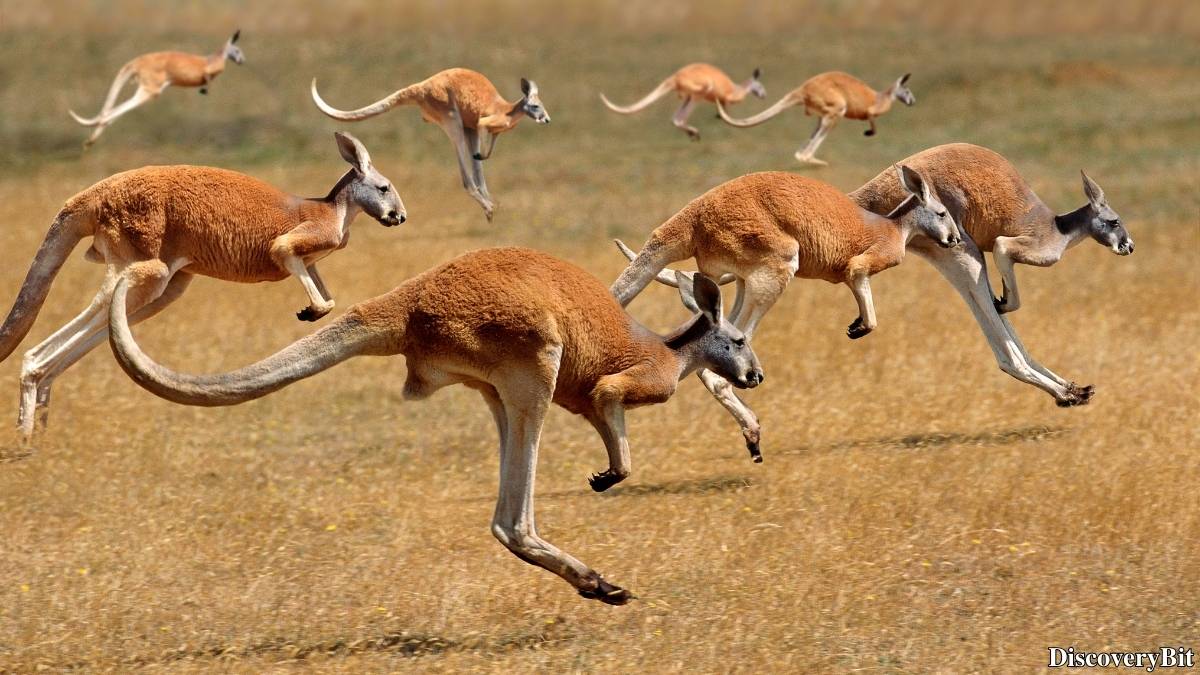
Top Speed: 40 mph
Key Description: Uses strong tendons to hop efficiently over long distances.
Conservation Status: Least Concern (Healthy population)
30) Emu (Dromaius novaehollandiae)
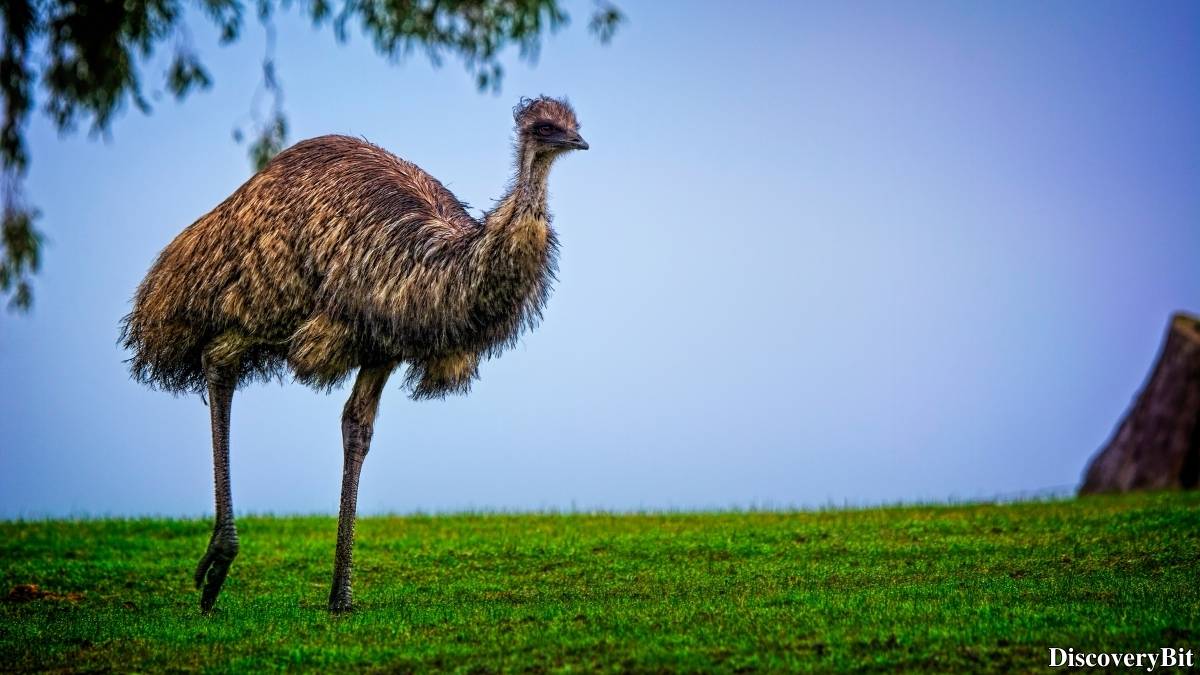
Top Speed: 40 mph
Key Description: Large, flightless bird; strong runner and capable swimmer. (Typical verified speed ~31 mph)
Conservation Status: Least Concern (Healthy population)
31) Warthog (Phacochoerus africanus)
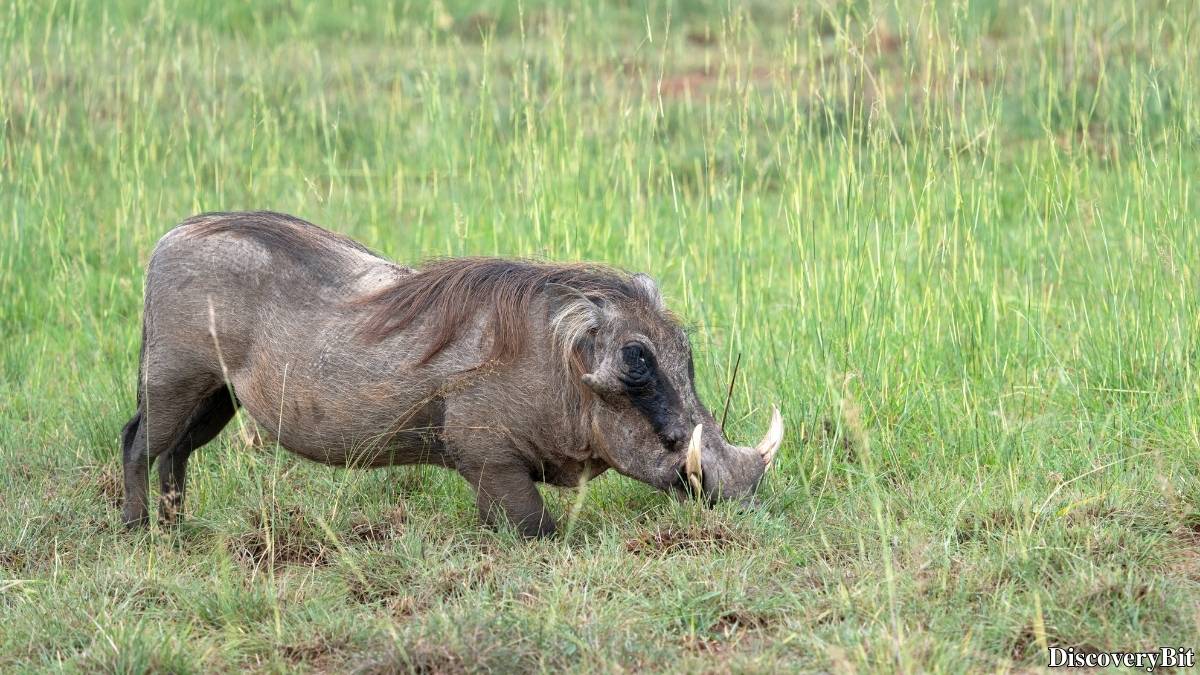
Top Speed: 35 mph
Key Description: Uses speed to reach the safety of burrows; defends with tusks. (Typical verified speed ~30 mph)
Conservation Status: Least Concern (Healthy population)
32) Roadrunner (Geococcyx californianus)
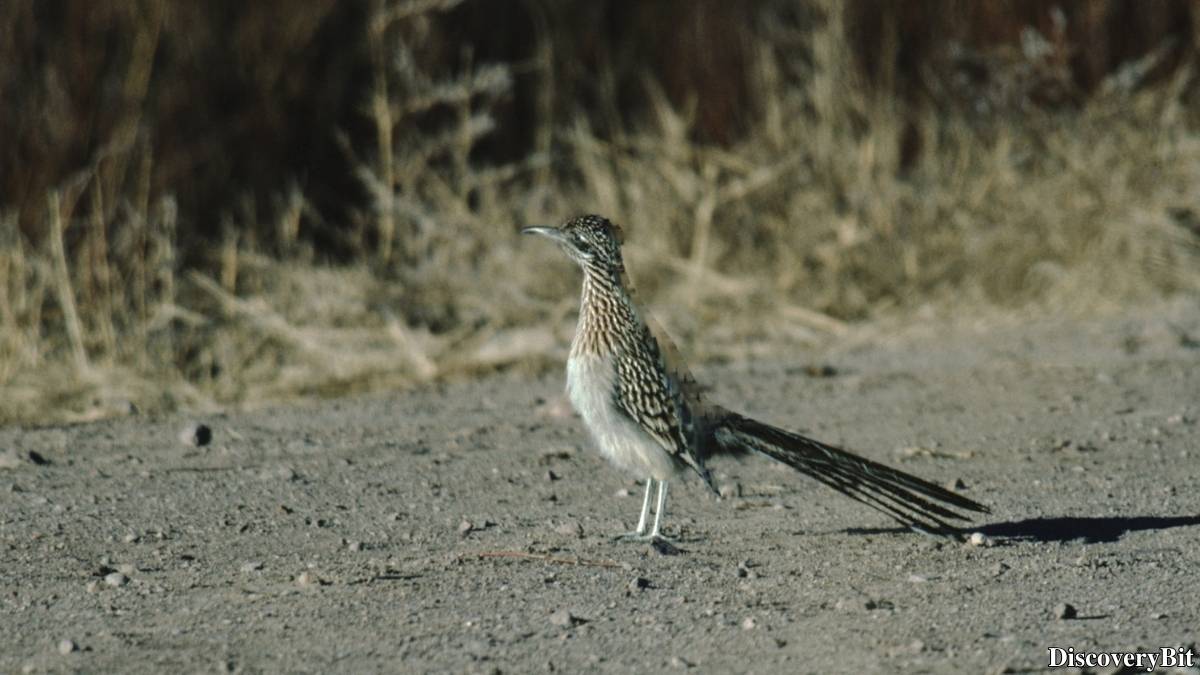
Top Speed: 26 mph
Key Description: Ground-dwelling bird that runs to hunt snakes and lizards.
Conservation Status: Least Concern (Healthy population)
33) Komodo Dragon (Varanus komodoensis)
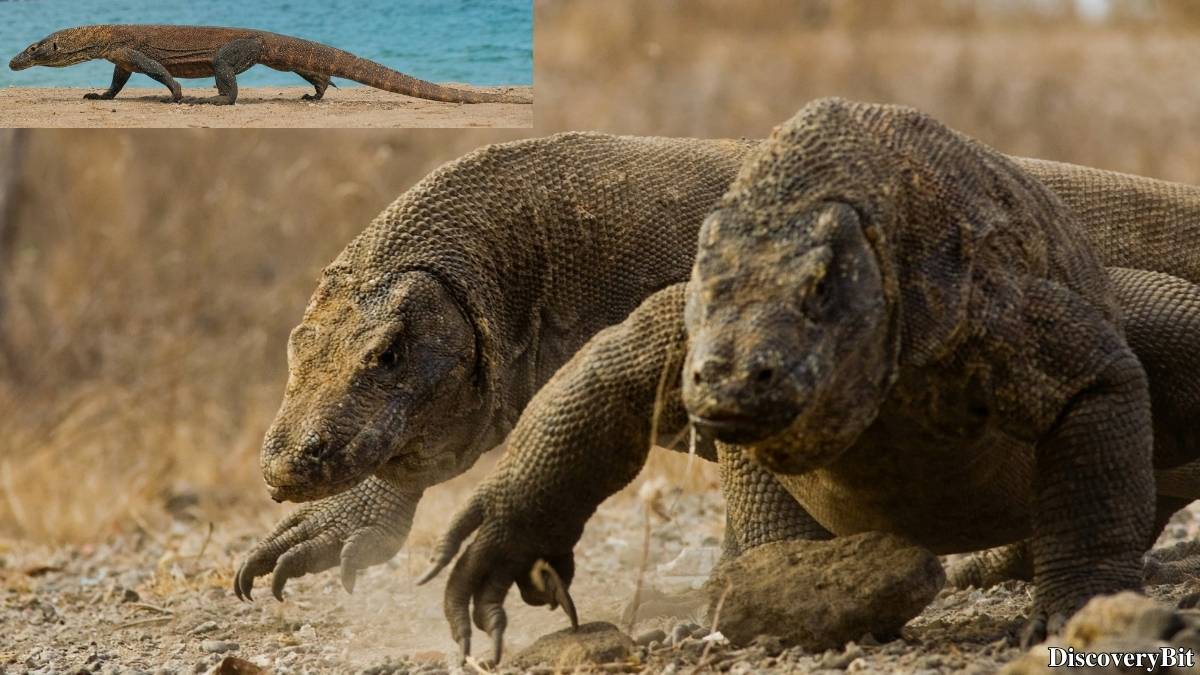
Top Speed: 13 mph
Key Description: World’s largest lizard; uses short burst sprints to ambush prey. Venomous saliva; example of island gigantism.
Conservation Status: Vulnerable (Population at risk)
34) Black Mamba (Dendroaspis polylepis)
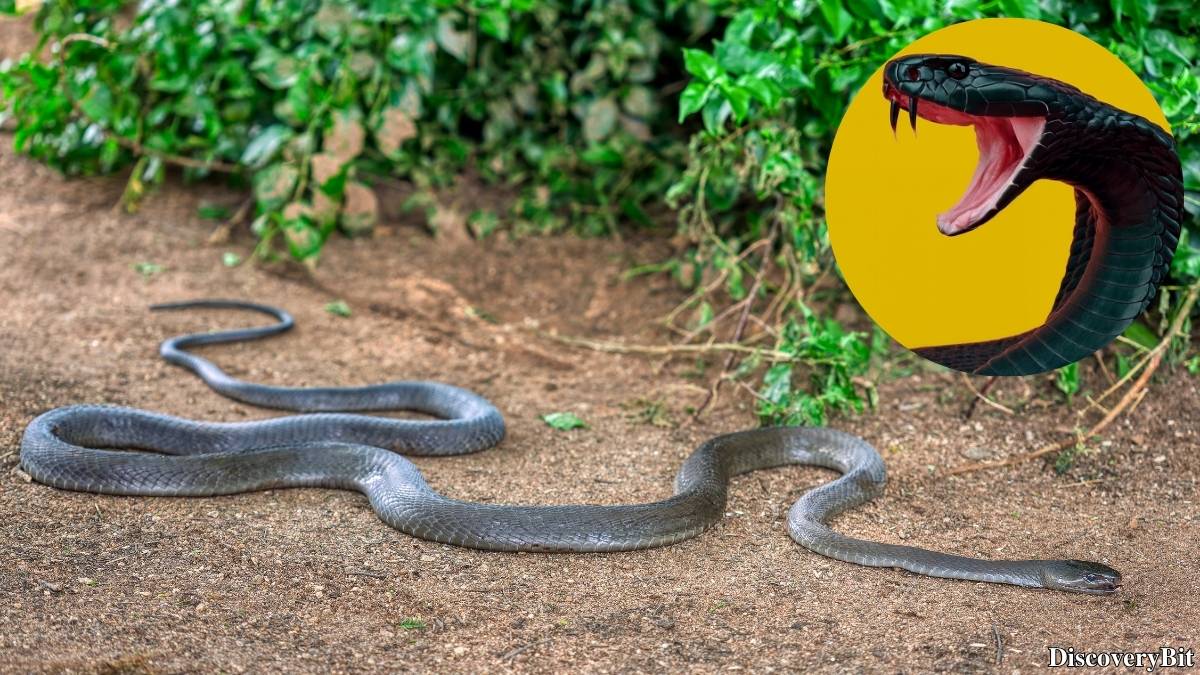
Top Speed: 12 mph
Key Description: One of the fastest snakes; moves quickly over ground to strike. Highly venomous; can strike multiple times rapidly.
Conservation Status: Least Concern (Healthy population)
35) Tiger Beetle (Cicindela spp.)
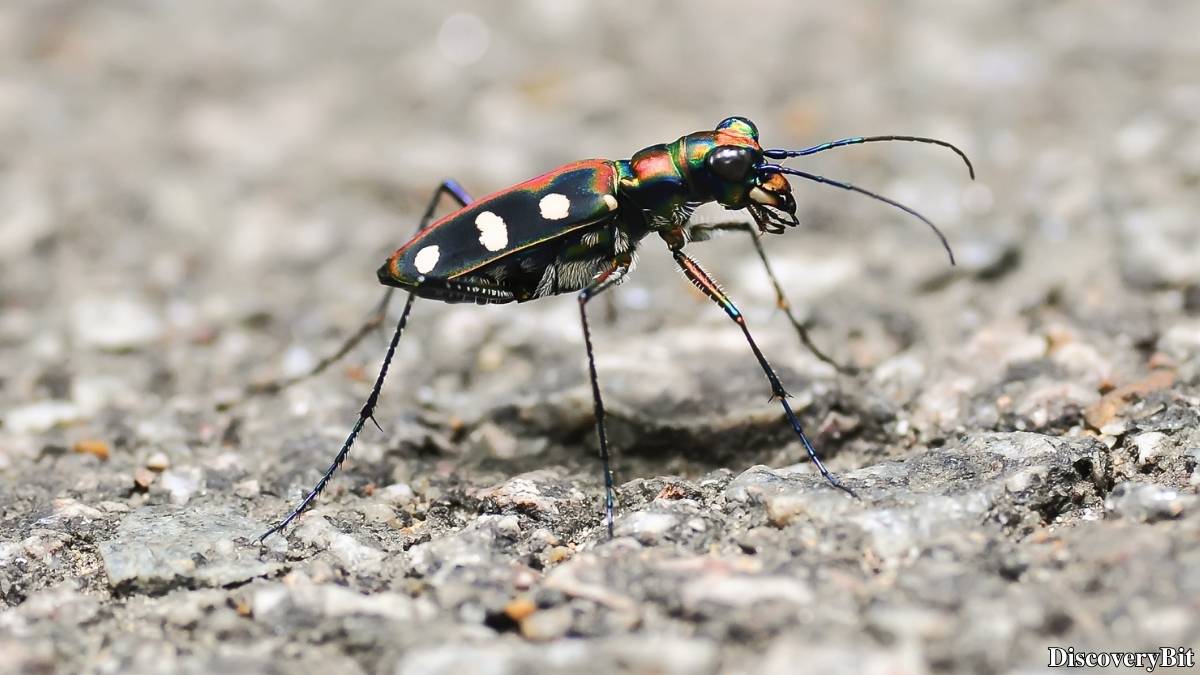
Top Speed: 5 mph
Key Description: Fastest relative to its size; stops to refocus vision because it’s so fast. Covers 125-171 body lengths per second.
Conservation Status: Least Concern (Healthy population)
Water Speed Animals
36) Black Marlin (Istiompax indica)
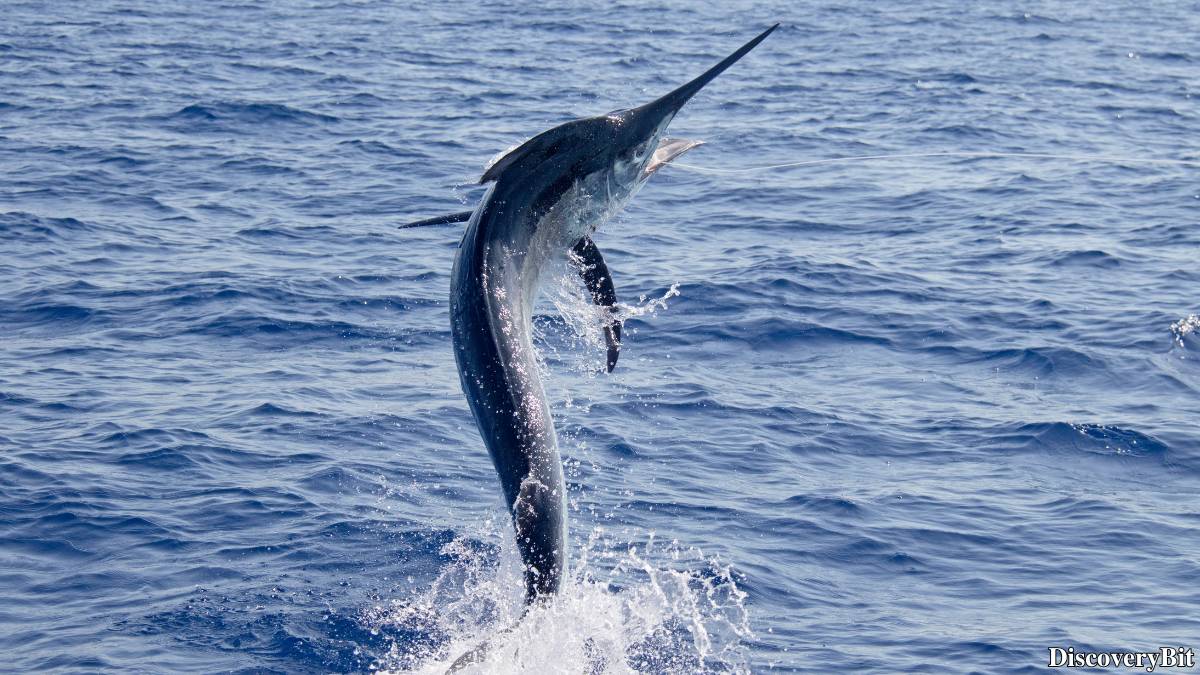
Top Speed: 80 mph
Key Description: Apex ocean predator; uses a crescent-shaped tail for extreme speed. (Speed estimates debated; some sources lower)
Conservation Status: Vulnerable (Population at risk)
37) Sailfish (Istiophorus platypterus)
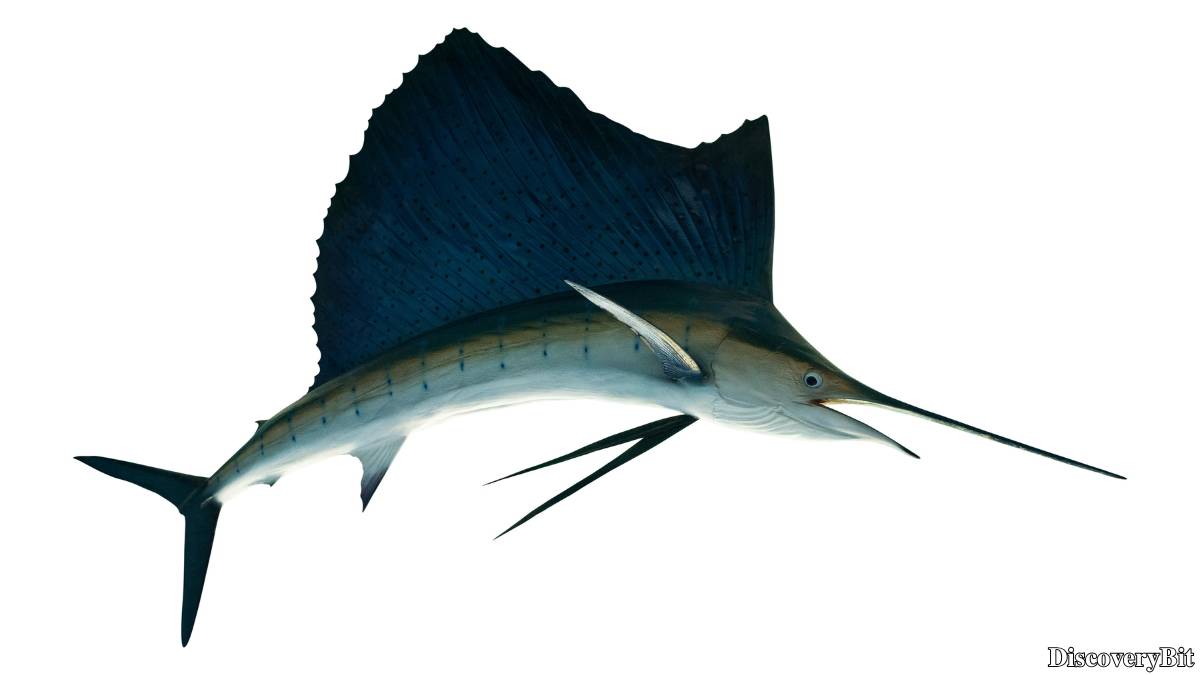
Top Speed: 68 mph
Key Description: Uses its large “sail” for stability; fastest confirmed swimmer.
Conservation Status: Vulnerable (Population at risk)
38) Swordfish (Xiphias gladius)
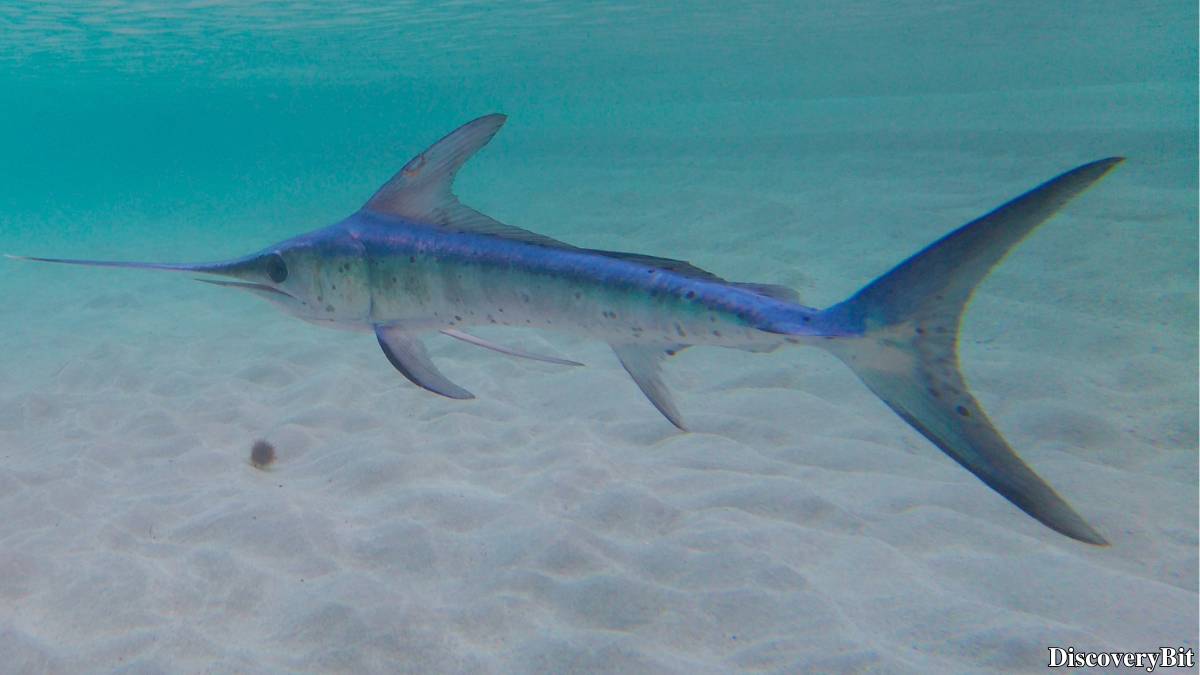
Top Speed: 60 mph
Key Description: Heats its eyes and brain to maintain speed in cold, deep water. Dives to over 2,000 feet to hunt squid.
Conservation Status: Near Threatened (Needs monitoring)
39) Yellowfin Tuna (Thunnus albacares)
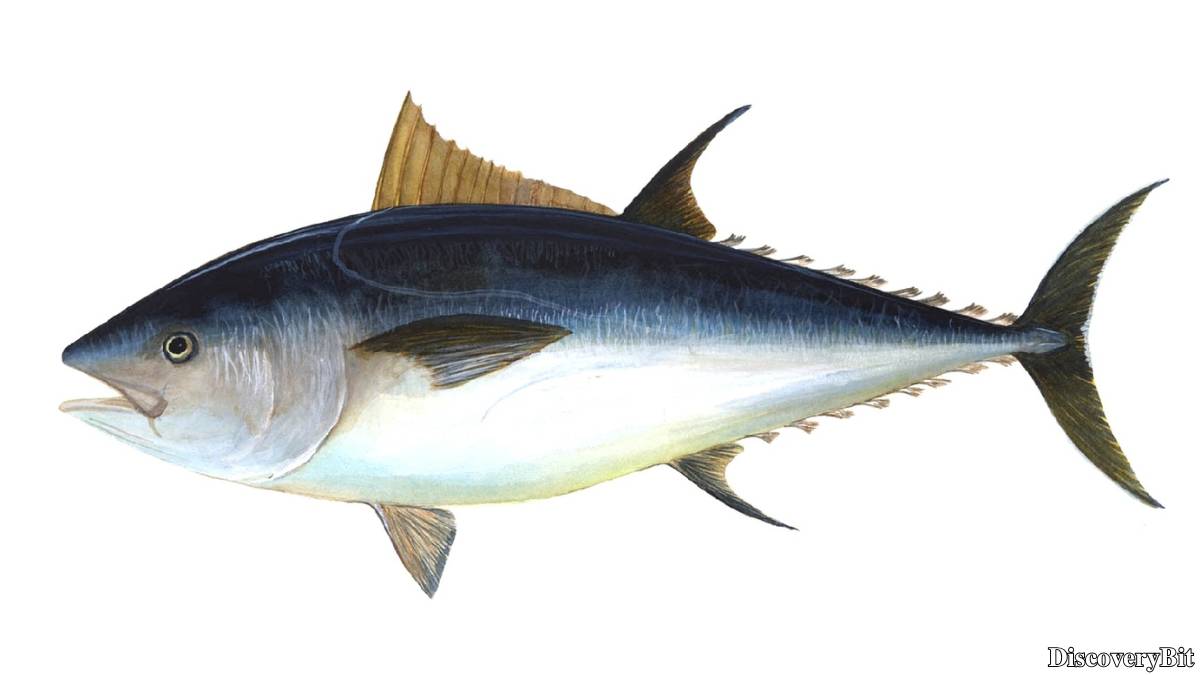
Top Speed: 50 mph
Key Description: Streamlined, torpedo-shaped body built for sustained high speed. Regulates body temperature; highly migratory.
Conservation Status: Least Concern (Healthy population)
40) Wahoo (Acanthocybium solandri)
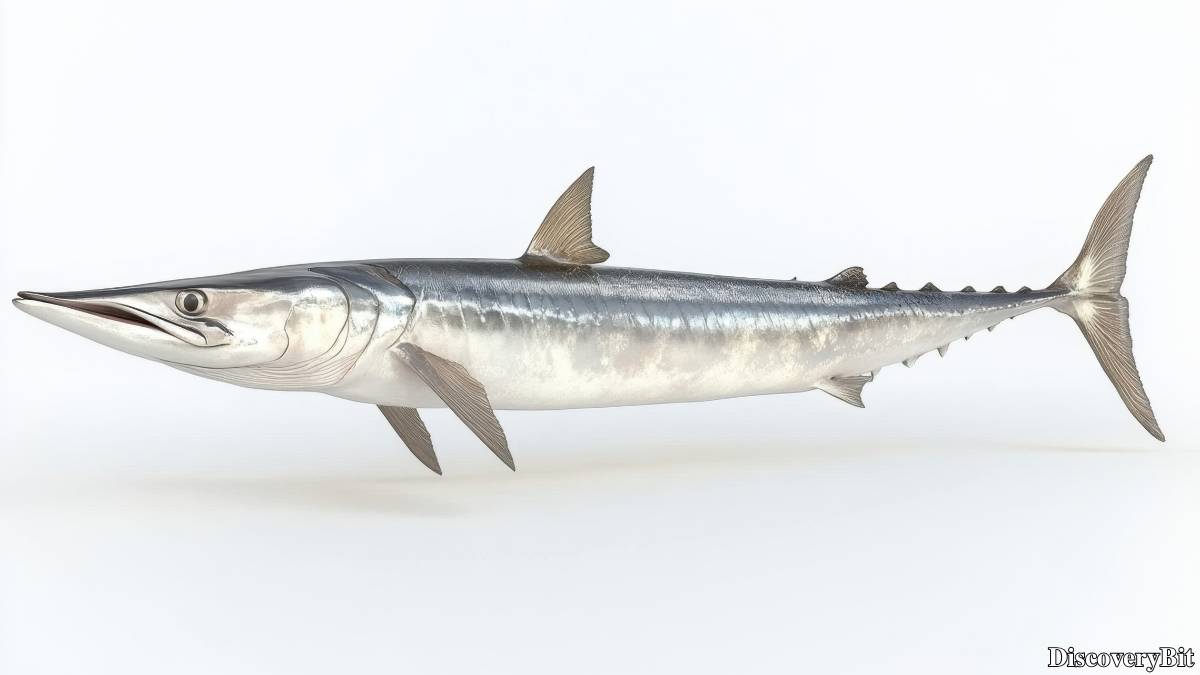
Top Speed: 48 mph
Key Description: Slender, very fast predator that hunts flying fish and squid.
Conservation Status: Least Concern (Healthy population)
41) Mako Shark (Isurus oxyrinchus)
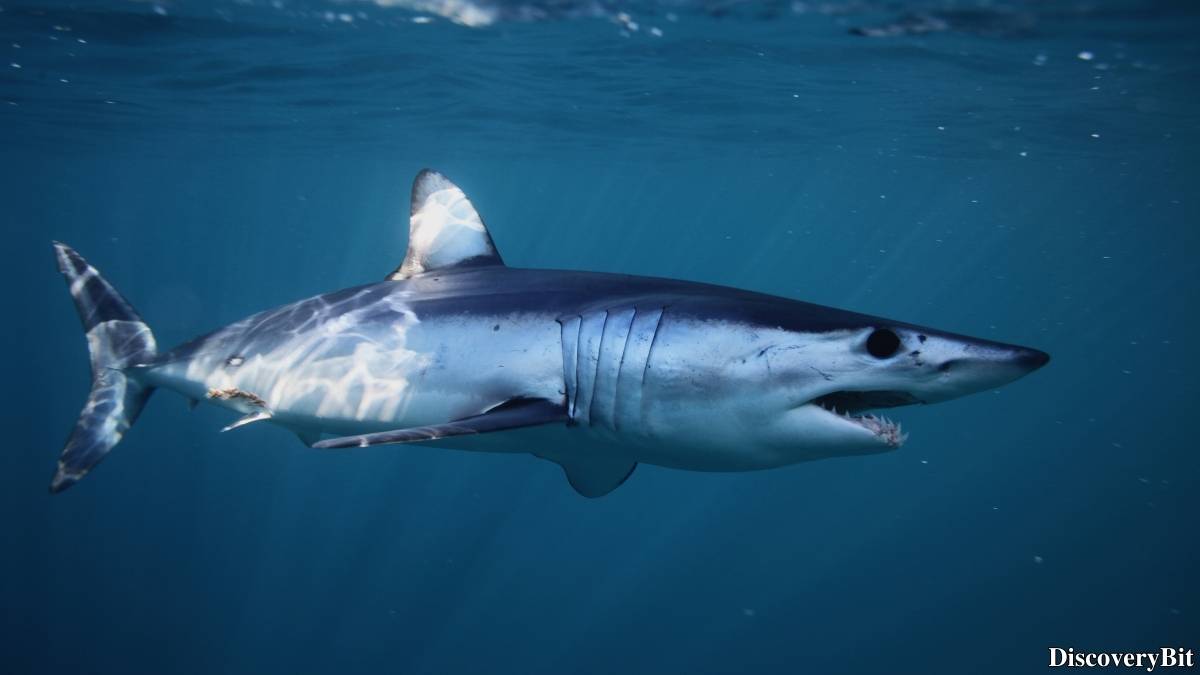
Top Speed: 45 mph
Key Description: Warm-blooded shark that uses high-speed bursts to hunt. Fastest shark species.
Conservation Status: Endangered (High risk of extinction)
42) Atlantic Bluefin Tuna (Thunnus thynnus)
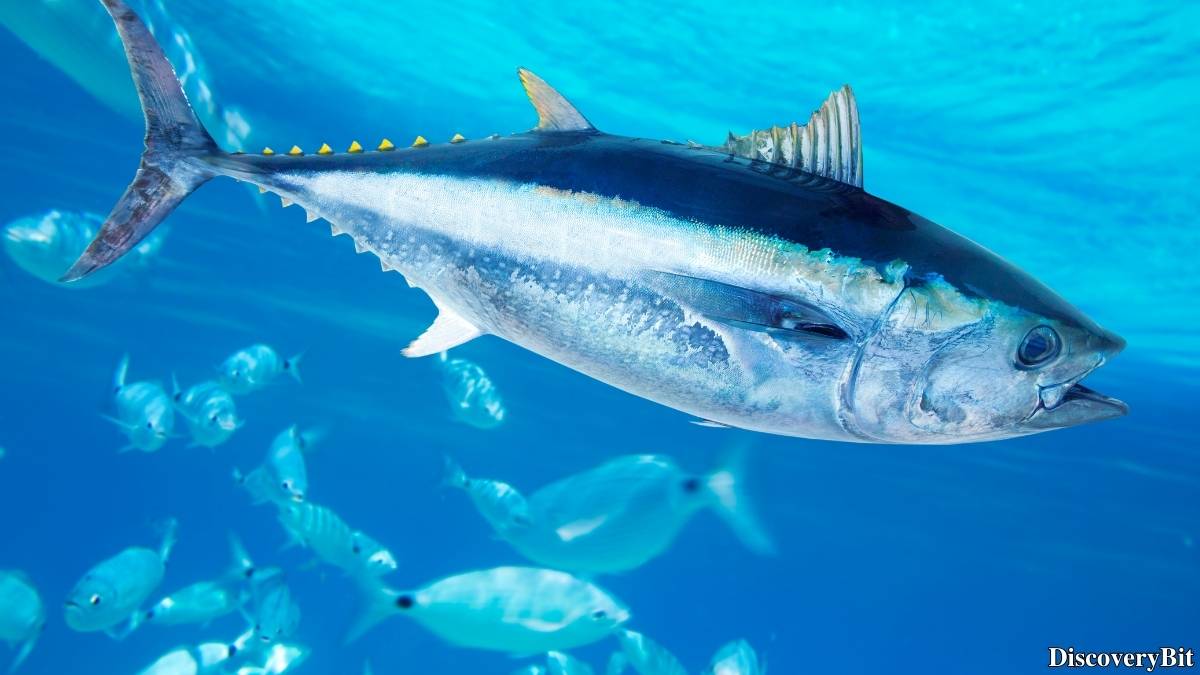
Top Speed: 44 mph
Key Description: Powerful swimmer; population is recovering from overfishing. Highly valued commercially.
Conservation Status: Least Concern (Recovering)
43) Barracuda (Sphyraena barracuda)
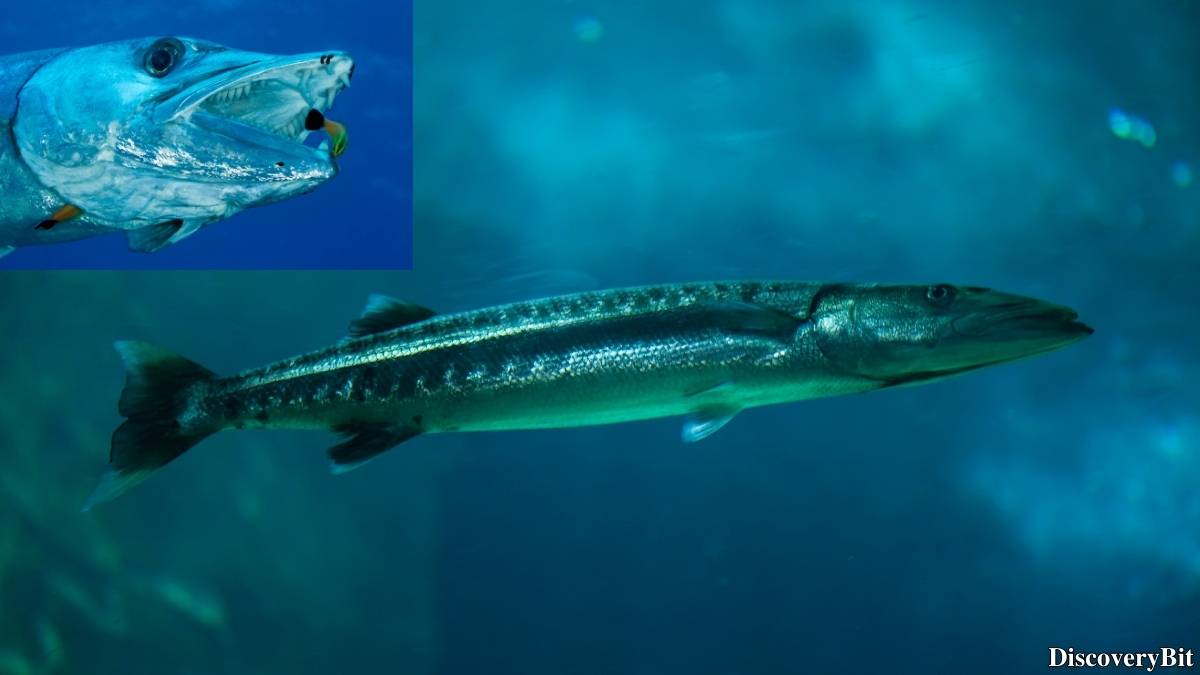
Top Speed: 36 mph
Key Description: Ambush predator that uses sudden bursts of speed and razor teeth. Nicknamed “tiger of the sea”.
Conservation Status: Least Concern (Healthy population)
44) Killer Whale (Orcinus orca)
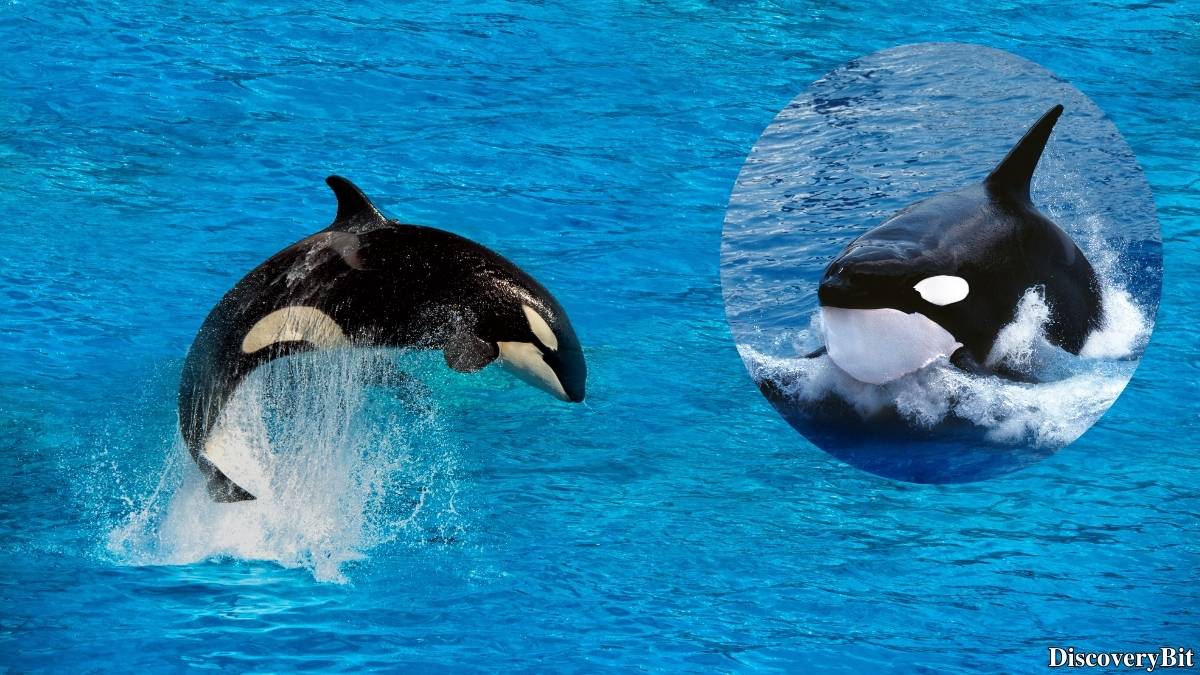
Top Speed: 35 mph
Key Description: Intelligent apex predator; uses speed for coordinated pack hunting. No confirmed fatal attacks on humans in the wild. Uses echolocation for navigation and hunting.
Conservation Status: Data Deficient (Specific populations are Endangered)
45) Dolphin (Tursiops truncatus)
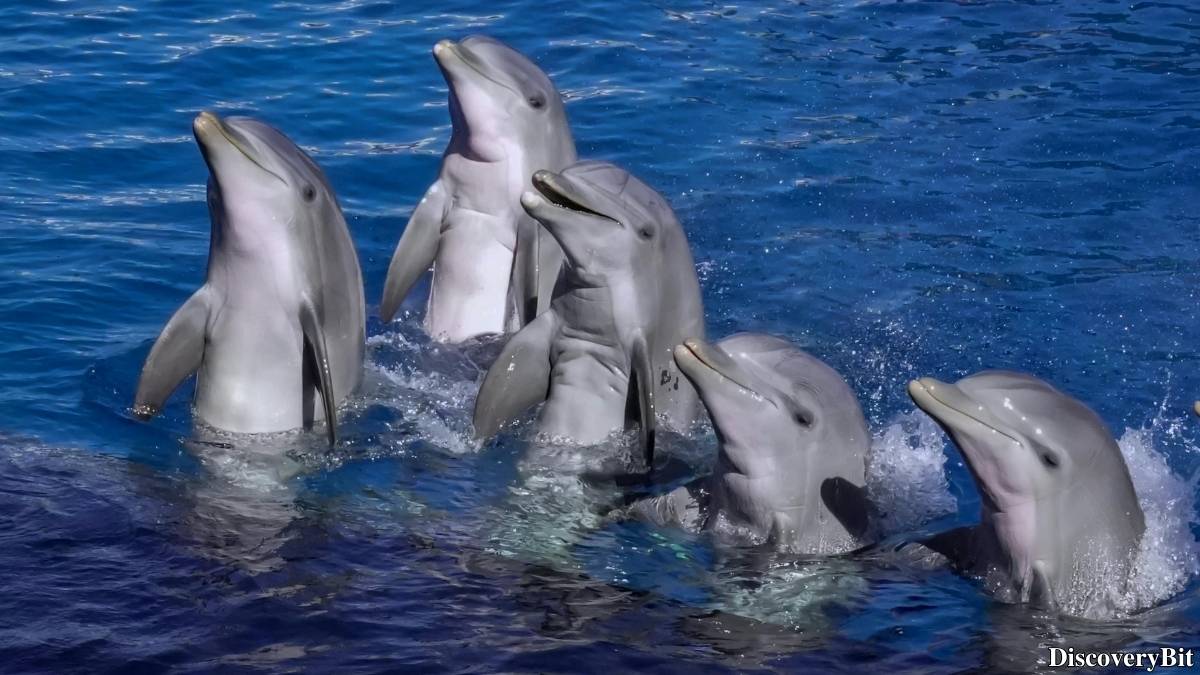
Top Speed: 20 mph
Key Description: Social hunter that uses speed and echolocation to find fish. Highly intelligent; leaps for breathing and play. (Some species up to 37 mph)
Conservation Status: Least Concern (Healthy population)
46) Flying Fish (Exocoetus volitans)
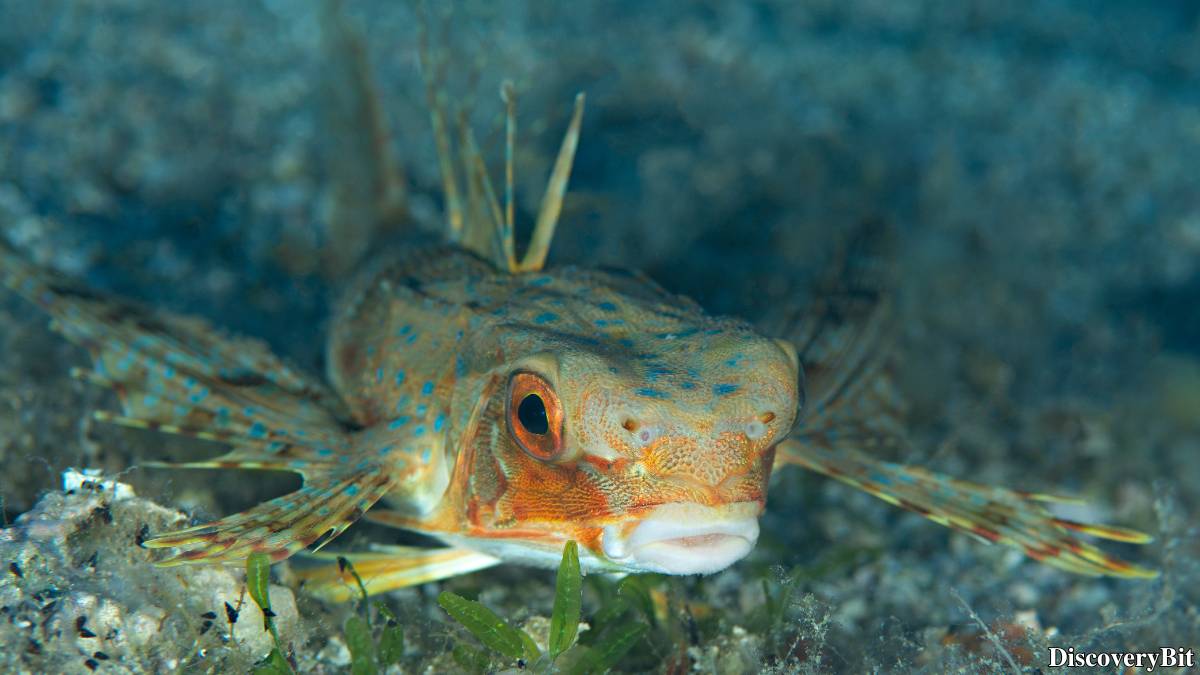
Top Speed: 20 mph
Key Description: Glides above the water surface to escape underwater predators.
Conservation Status: Least Concern (Healthy population)
47) Sea Lion (Zalophus californianus)
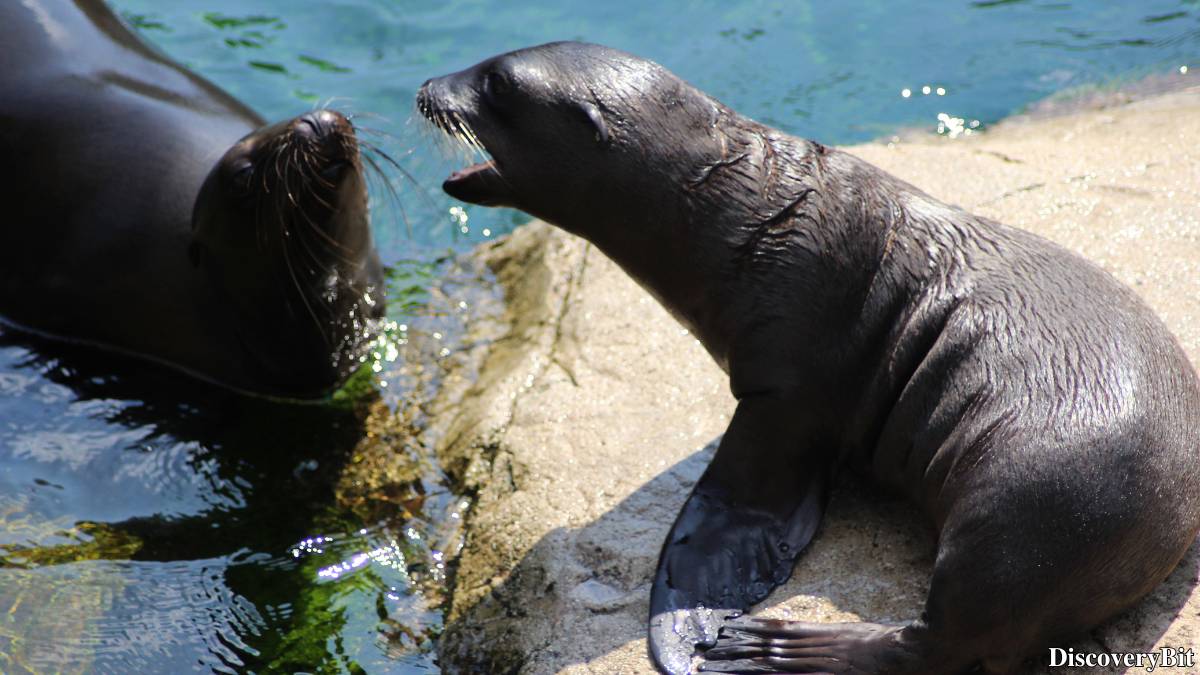
Top Speed: 18 mph
Key Description: Agile marine mammal that uses flips and speed to hunt fish.
Conservation Status: Least Concern (Healthy population)
48) Penguin (Pygoscelis papua)
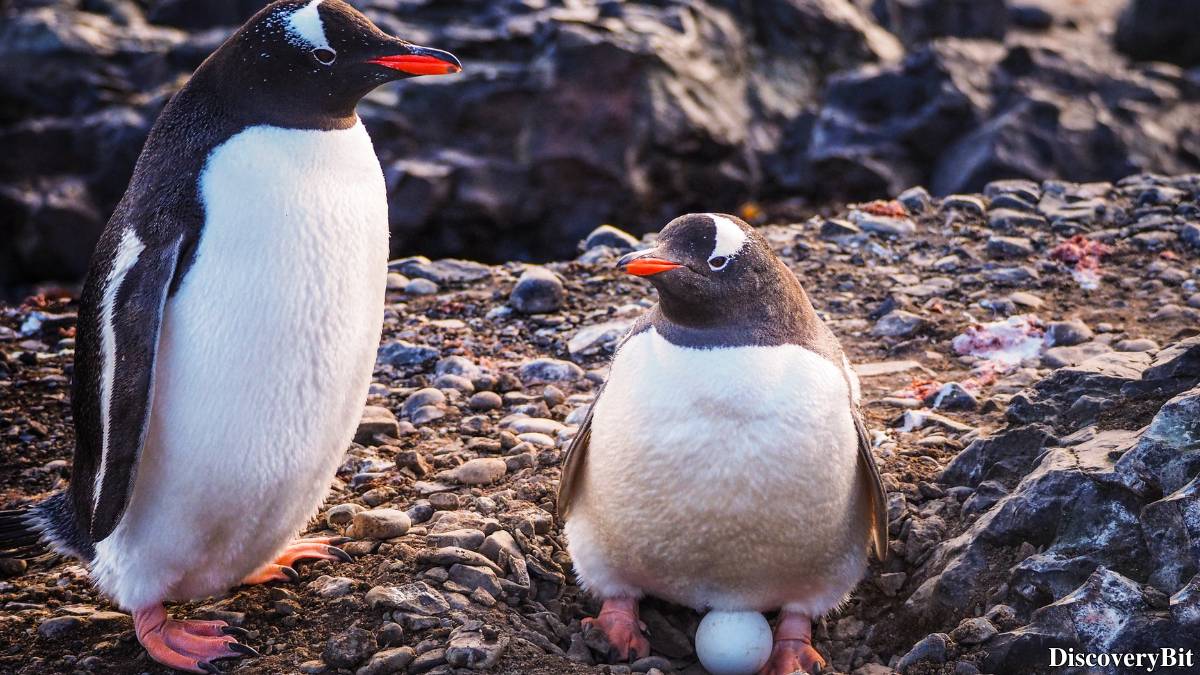
Top Speed: 17 mph
Key Description: Uses wings to “fly” underwater; repeatedly leaping in and out of the water (porpoising) for extra speed.
Conservation Status: Least Concern (Healthy population)
49) Giant Pacific Octopus (Enteroctopus dofleini)
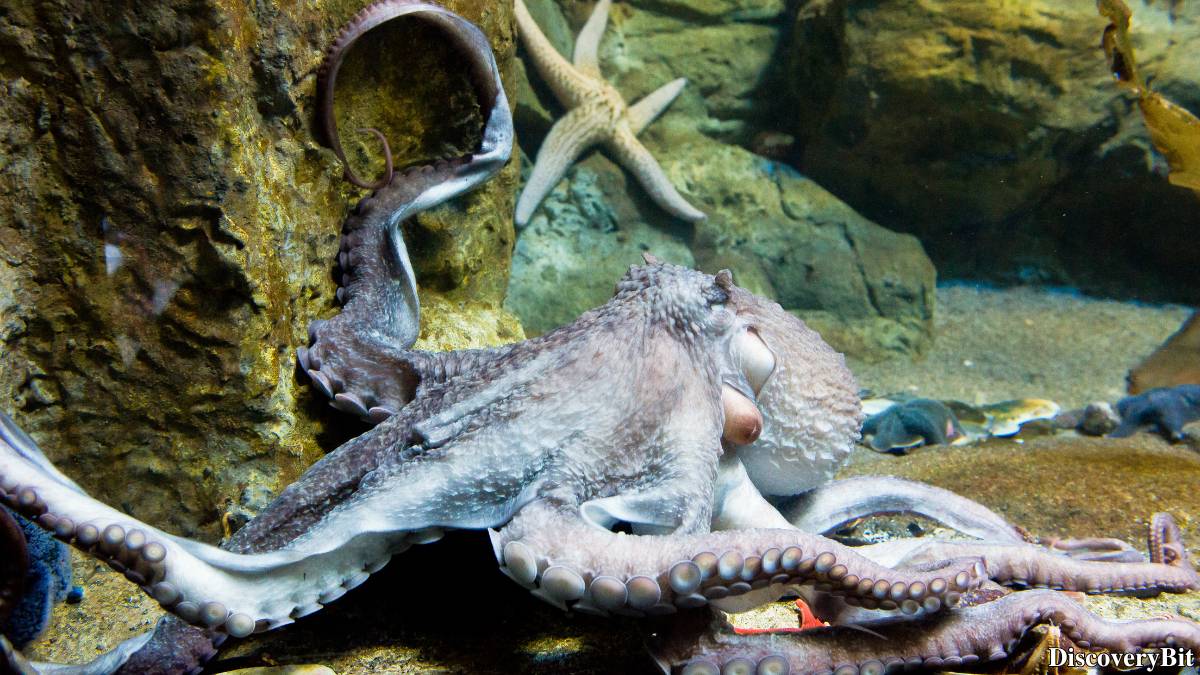
Top Speed: 15 mph
Key Description: Uses jet propulsion (shooting water) to escape or hunt. (Some bursts up to 25 mph)
Conservation Status: Least Concern (Healthy population)
50) Stingray (Dasyatis spp.)
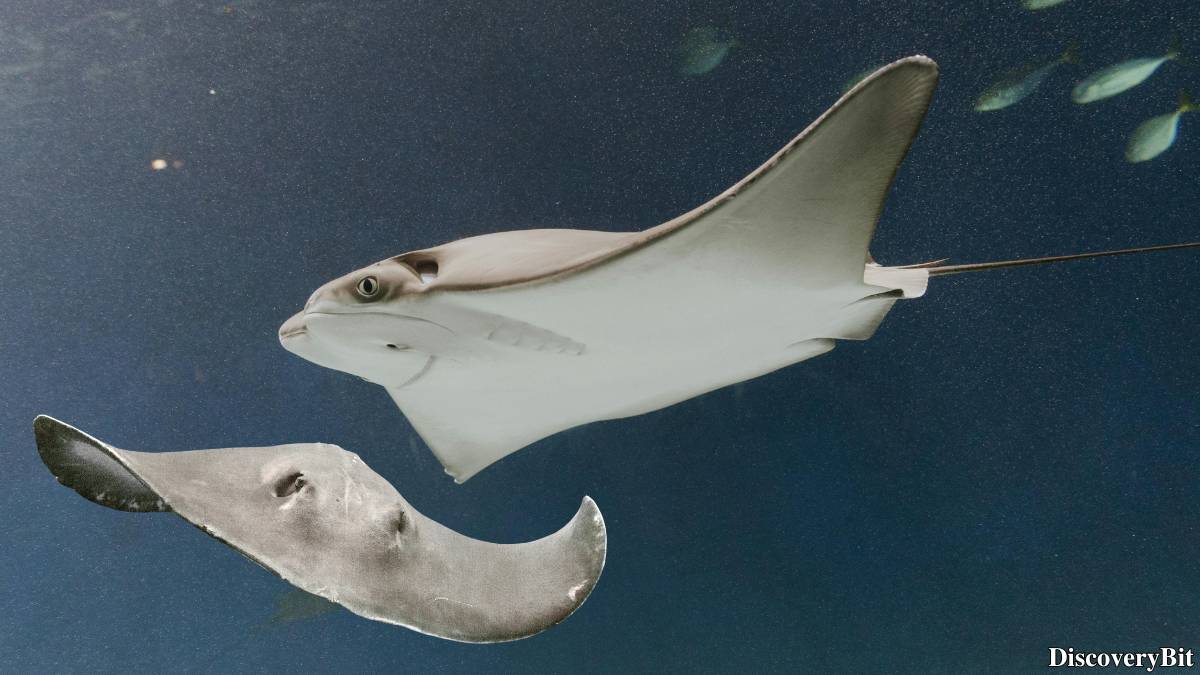
Top Speed: 14 mph
Key Description: Flaps its “wings” to glide along the seabed; uses tail for defense. (Some species up to 30 mph)
Conservation Status: Least Concern (Healthy population)
This list showcases the diversity of speed across ecosystems, with the peregrine falcon leading as the fastest animal in the world.
Domesticated Speed Stars
51) Horse (Equus caballus)
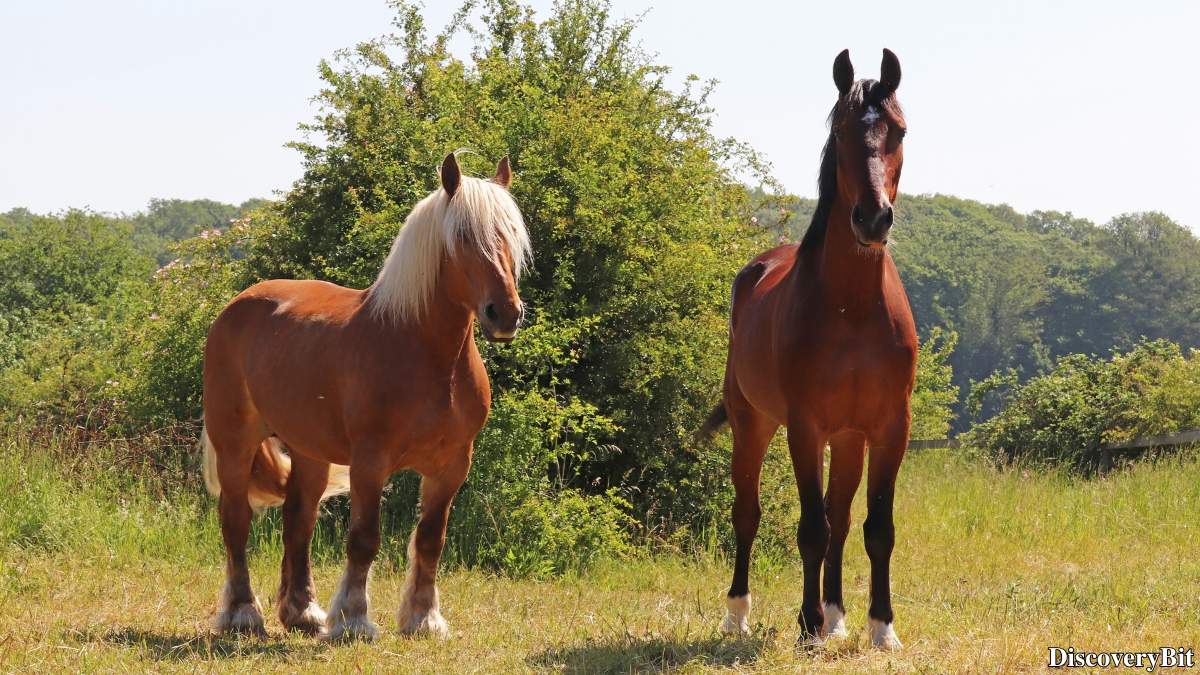
Top Speed: 55 mph
Key Description: Explosive short-distance sprinter bred for quarter-mile races; powerful hindquarters enable rapid acceleration from standstill. Iconic in Western riding and rodeo events worldwide.
Conservation Status: Domesticated (Not evaluated by IUCN; thriving breed)
52) Greyhound (Canis familiaris)
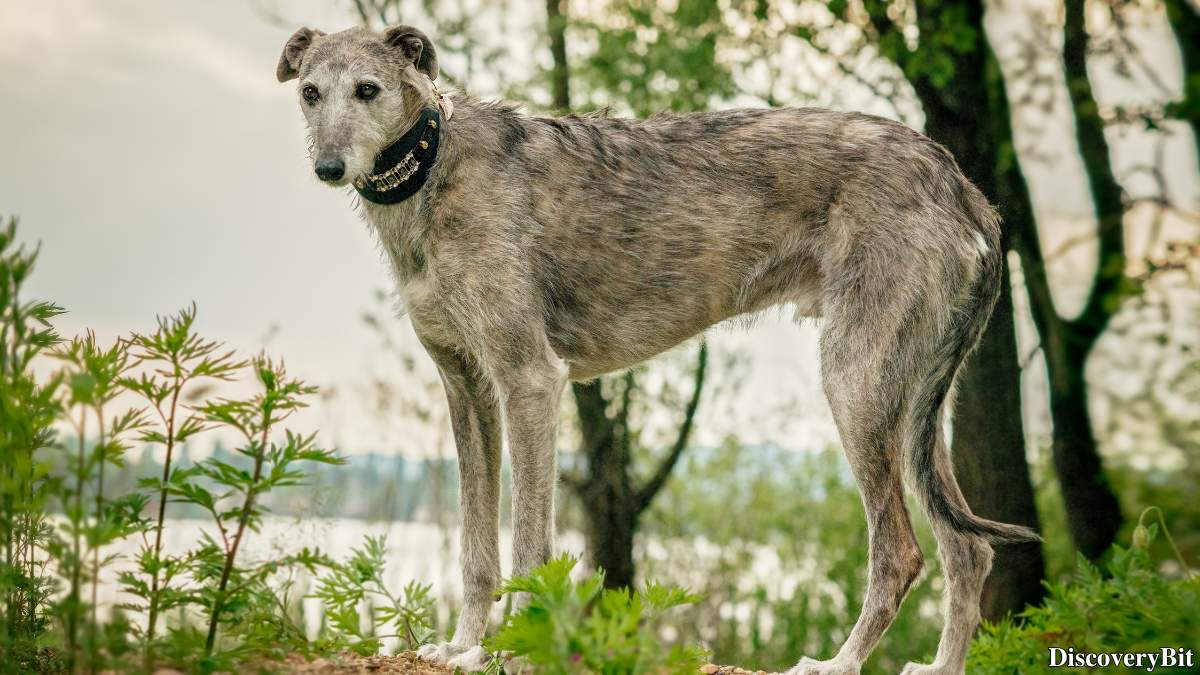
Top Speed: 45 mph
Key Description: Sighthound bred for coursing and racing; double-suspension gallop allows incredible bursts. Reaches top speed in seconds; now popular as pets post-racing bans in some areas.
Conservation Status: Domesticated (Not evaluated by IUCN; common breed)
Comparing the Fastest Land, Air, and Water Animals
To contextualize the fastest animal in the world, let’s compare the top performers by habitat:
| Category | Animal Speed | Top Speed (mph) | Notes |
|---|---|---|---|
| Air (Diving) | Peregrine Falcon | 242 | Fastest overall; hunting stoop. |
| Air (Level Flight) | White-Throated Needletail | 105 | Fastest horizontal flier. |
| Land | Cheetah | 70 | Accelerates to 60 mph in 3 seconds. |
| Water | Black Marlin | 75 | Fastest fish, based on records. |
The peregrine falcon’s dive speed dwarfs all competitors, but each of the animals excels in its domain; the cheetahs has the fastest speed on savannas, while the marlins in the open oceans.
Scientific Breakdown: How the Peregrine Falcon Reaches Top Speed
The peregrine falcon’s 242 mph dive is a physics marvel. From 1-2 km up, it tucks its wings into a teardrop shape, cutting drag by 50%. Gravity accelerates it at 9.8 m/s², while tail feathers steer. Nasal baffles shield lungs from high-pressure air, and a third eyelid protects its eyes. Impact forces can exceed 10G, stunning prey instantly.
Biomechanics of the Fastest Animal in the World
The peregrine falcon’s speed relies on streamlined feathers, powerful pectoral muscles, and a lightweight skeleton. Its heart pumps oxygen rapidly during dives. Comparatively, the cheetah’s flexible spine and claws provide grip for 75 mph sprints, while the black marlin’s rigid fins slice through water.
Cheetah Acceleration vs. Peregrine Falcon Dive Speed
The cheetah hits 60 mph in 3 seconds, fueled by anaerobic bursts. The peregrine falcon, however, reaches 242 mph in a dive, sustained by gravity over seconds. The cheetah wins in quick starts; the falcon in peak velocity.
Evolutionary Analysis: Speed Across Environments
Evolution shaped speed for survival. Cheetahs developed slender bodies for savanna chases but sacrifice endurance. Black marlins evolved cavitation-resistant fins for oceanic hunts. The peregrine falcon, the fastest animal in the world, mastered high-altitude dives across cliffs and cities, its precision honed by natural selection.
Dramatic Short Story: From the Fastest Animal’s Perspective
I am the peregrine falcon, the fastest animal in the world. Perched on a cliff, I spot a pigeon below. My pulse quickens. I fold my wings and dive, with the wind shrieking, earth blurring. 200 mph, 240… I strike, talons piercing. In a heartbeat, I am victorious. None can outpace me, the sky’s king.
Olympic Race: The 52 Fastest Animals Compete
Imagine yourself in an Olympic arena for the 52 fastest animals in the world. The cheetah rockets to 75 mph on the track. In the aquatic lane, the black marlin surges at 80 mph. Above, the peregrine falcon plummets from the sky at 242 mph, crossing the finish line in a flash. “Gold to the falcon!” the crowd roars, cementing its title as the fastest animal in the world.
Children’s Bedtime Story: Perry the Falcon’s Speedy Discovery
Once, a young peregrine falcon named Perry felt slow. Chasing a butterfly, he leaped from a tree and dove, faster than the wind! “I am the fastest animal in the world!” he chirped. Using his speed, Perry protected his forest friends and soared happily ever after. Sweet dreams, little ones, and chase your own speed.
Quiz: Test Your Speed Knowledge
1) What’s the fastest animal in the world? (A: Peregrine Falcon)
2) How fast is a cheetah? (A: 75 mph)
3) Name the fastest fish. (A: Black Marlin)
4) True/False: The falcon’s top speed is in level flight. (A: False)
5) Fastest running bird? (A: Ostrich)
Score 5/5? You are a speed savant!
Riddles About the Fastest Animals
1) I dive from the sky, faster than jets fly. Who am I? (Peregrine Falcon)
2) Spots on my fur, I sprint in a blur. What? (Cheetah)
3) In seas I glide, with a fin by my side. Who? (Sailfish)
Debate: Cheetah vs. Peregrine Falcon
Cheetah: My 75 mph sprints crush land races. Your dives use gravity, so unfair!
Falcon: At 242 mph, I am the fastest animal in the world. Speed is universal, not land-bound.
Cheetah: On ground, I did win!
Falcon: The sky is my track, and the crown’s mine.
Sources & Further Reading
- National Geographic: Peregrine Falcon
- Britannica: Peregrine Falcon
- Wikipedia: Fastest Animals
- Cornell Lab: All About Birds
- Additional speeds from BBC, and Smithsonian