Across the world’s wildest landscapes, the search for the biggest spider in the world leads to creatures that have quietly grown to sizes that defy belief. In the rainforests of South America, in the sun‑baked grasslands of Africa, and deep within the forests of Asia and Australia, live arachnids so large they can fill a human hand, or cover a human face. These are not the harmless house spiders most people know. These are the giants: heavy‑bodied tarantulas with the mass of small rodents, lightning‑fast hunters armed with potent venom, and web‑spinners capable of weaving golden nets strong enough to snare birds.
This guide explores the biggest spiders ever documented, separating the hulking, earth‑shaking tarantulas from the sleek, deadly true spiders that rely on speed and venom rather than brute size. Along the way, we will look at the remarkable adaptations that allow them to thrive, from stridulating “barks” and defensive hair‑flicking to their surprising lifespans and complex behaviors. Meet the legendary Goliath Birdeater, the elusive Giant Huntsman, and many more of the world’s most extraordinary eight‑legged titans, and discover the biology behind their astonishing scale.
1) Giant Huntsman Spider (Heteropoda maxima)

(Modifed from Jäger, 2001)
Description
Which spider has the largest leg span? The Giant Huntsman Spider is the world’s largest spider by leg span, officially measured using the Diagonal Leg Span (DLS) method, reaching up to 30 cm (about 12 inches) (Jäger, 2001; Britannica). Its body length is approximately 4.6 cm. It is generally yellowish-brown with several irregularly distributed dark spots on the abdomen, and its legs feature wide dark bands (Jäger, 2001). Like all huntsman spiders (Family Sparassidae), its legs extend forward in a crab-like orientation, allowing for its exceptional speed and sideways mobility (Wikipedia; Britannica).
Behavior
This species is extremely fast and agile, relying entirely on speed, power, and venom rather than silk webs to capture prey (Britannica). It is an active, nocturnal hunter that pursues and overpowers insects and small vertebrates (Britannica). It is troglophilic (cave-loving), living near cave entrances rather than deep, lightless zones, as its eyes show no reduction (atrophy) (Jäger, 2001; Britannica). Draw the giant huntsman spider exploring a cave.
Lifestyle
The Giant Huntsman is a solitary, nocturnal species endemic to specific limestone cave systems in Laos (Wikipedia). It spends most of its time on cave walls or rocky surfaces in warm, humid environments. Females exhibit maternal care by guarding their large egg sacs until the spiderlings emerge (Britannica). They do not build capture webs, instead using silk only for egg sacs and safety draglines (Jäger, 2001).
Feeding
Its diet consists primarily of insects, other spiders, and occasionally small vertebrates such as reptiles or rodents that wander into its cave environment (Britannica). It subdues prey with its impressive speed and venom before injecting digestive enzymes to liquefy its food externally (Wikipedia). What adaptations allow the biggest spiders to hunt effectively?
Characteristics
a) Largest leg span of any spider on Earth (up to 30 cm) (Jäger, 2001)
b) Fast, agile, and capable of moving sideways in a crab-like manner (Britannica)
c) Females have larger bodies, while males possess comparatively longer legs (Jäger, 2001)
d) Yellowish-brown coloration with banded legs (Wikipedia)
e) No eye reduction, confirming habitat near cave entrances (Jäger, 2001).
Defence Mechanism
The spider’s primary defence is its incredible speed; it typically flees rapidly when threatened (Britannica). If cornered, it will rear up in a defensive display, exposing its fangs. While bites can cause localized pain and swelling, its venom is generally considered low-risk to humans, and the spider is not aggressive unless provoked (Britannica). What should you do if you encounter the world’s biggest spider?
Uses (Edibility, Human Interaction)
No known cultural uses exist for Heteropoda maxima as food, medicine, or material. Due to its specialized habitat and rarity, the species is rarely kept in captivity and has no commercial value (Our Breathing Planet).
Other Attributes
a) Extremely rare and restricted to a highly limited range in Laos (Wikipedia)
b) It is a crucial predator in its specific cave ecosystems
c) Conservation Status: It is currently listed as “Not Assessed” by the IUCN Red List of Threatened Species, but given its extremely limited geographical range (endemic to a few cave systems) and habitat threats (such as limestone quarrying), experts consider it highly vulnerable (Britannica; Our Breathing Planet)
d) The species was only formally described in 2001.
2) Goliath Birdeater (Theraphosa blondi)
Description
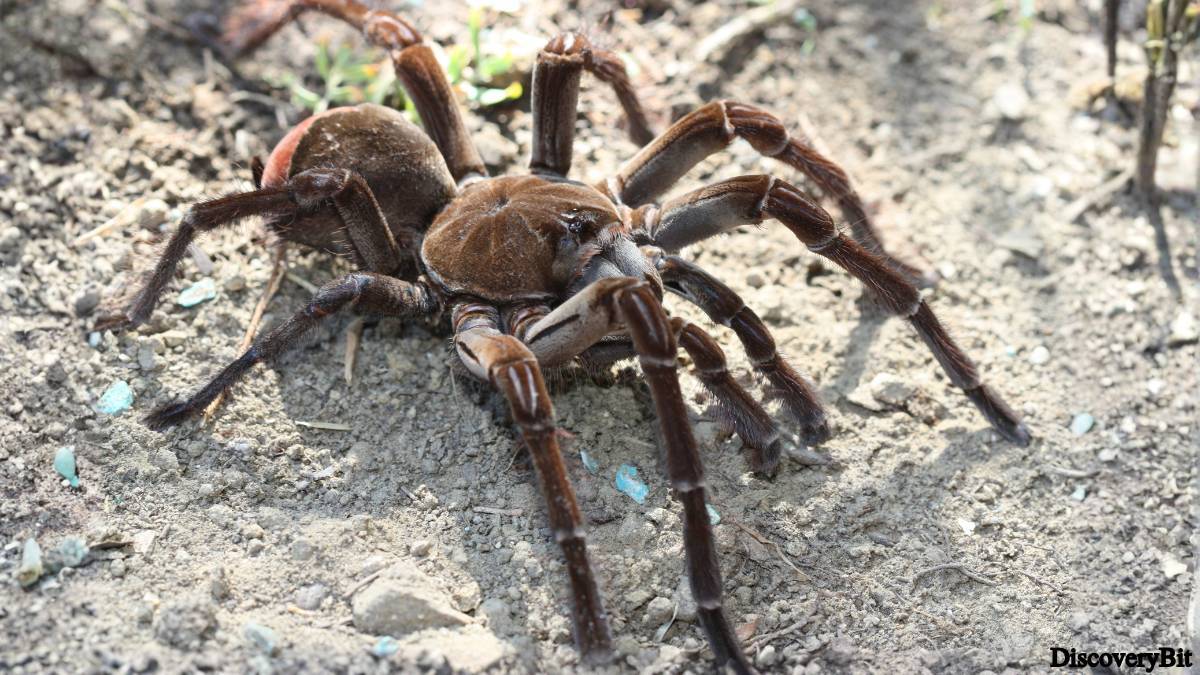
Where does the world’s biggest spider live? The Goliath Birdeater is the heaviest spider on Earth, with verified specimens weighing up to 175 grams and reaching a Diagonal Leg Span (DLS) of up to 30 cm (12 inches) (Britannica). Its body is thick, heavily built, and covered in dense reddish-brown hairs. Body length reaches up to 13 cm. Despite its common name, it rarely eats birds; the name originates from an exaggerated 18th-century explorer’s illustration (Jocqué & Smith, 2011). It is native to the rainforests of northern South America, primarily Brazil, Venezuela, and Guyana.
Behavior
This species is generally slow-moving but is capable of sudden, quick bursts of speed when hunting or defending itself. It is not aggressive by default and avoids humans, but will defend itself vigorously if cornered. It is strictly nocturnal, emerging from its deep, lined burrow at night to hunt. It relies heavily on ground vibrations to detect prey (Lamar, 2018). What surprising things can the goliath birdeater do?
Lifestyle
A ground-dwelling tarantula (terrestrial), it spends most of its life in deep, silk-lined burrows. It prefers lowland, moist, and sheltered environments. Females are exceptionally long-lived, capable of surviving 15–25 years or more, while males typically survive only a few years after mating (Lamar, 2018). They are solitary and occasional cannibalism can occur after mating.
Feeding
Its diet includes large insects, worms, amphibians, small reptiles, and occasionally small rodents (Britannica). Actual consumption of birds is a very rare event. The spider uses its large fangs to inject a relatively mild venom and digestive enzymes, liquefying the prey externally before consuming it (Lamar, 2018).
Characteristics
a) Heaviest spider species in the world (up to 175 g). how big can the goliath birdeater get?
b) Large, powerful fangs up to 1 inch (2.5 cm) long (Britannica)
c) Dense urticating hairs covering the abdomen
d) Strong, muscular legs capable of producing audible “hissing” sounds (stridulation) (Lamar, 2018)
e) Females significantly outlive males.
Defence Mechanism
Urticating Hairs: Its primary defense is flicking thousands of tiny, barbed hairs from its abdomen, which cause intense itching, irritation, and inflammation in skin and eyes (Britannica) Threat Posture: Rearing up onto its hind legs to display its fangs (Lamar, 2018). describe the anatomy of the world’s largest spider. Stridulation: Loudly rubbing specialized bristles to produce a clear, audible hissing sound to deter predators Bite: Painful due to the mechanical size of the fangs, but the venom is considered mild and not medically dangerous to healthy humans. How dangerous is the biggest spider to humans?
Uses (Edibility, Human Interaction)
The Goliath Birdeater is a traditional food source in some Amazonian indigenous regions. Locals remove the urticating hairs by roasting it, then consume the meat from the abdomen and legs. Otherwise, it has no commercial uses and is not widely recommended as a pet (Britannica). How do people in the amazon deal with large spiders?
Other Attributes
a) Plays an important ecological role in pest control as a top invertebrate predator
b) Conservation Status: Currently listed as “Not Assessed” by the IUCN Red List.
c) Despite its fearsome size and reputation, it avoids humans when possible. Create a realistic illustration of a goliath birdeater next to a human hand for scale.
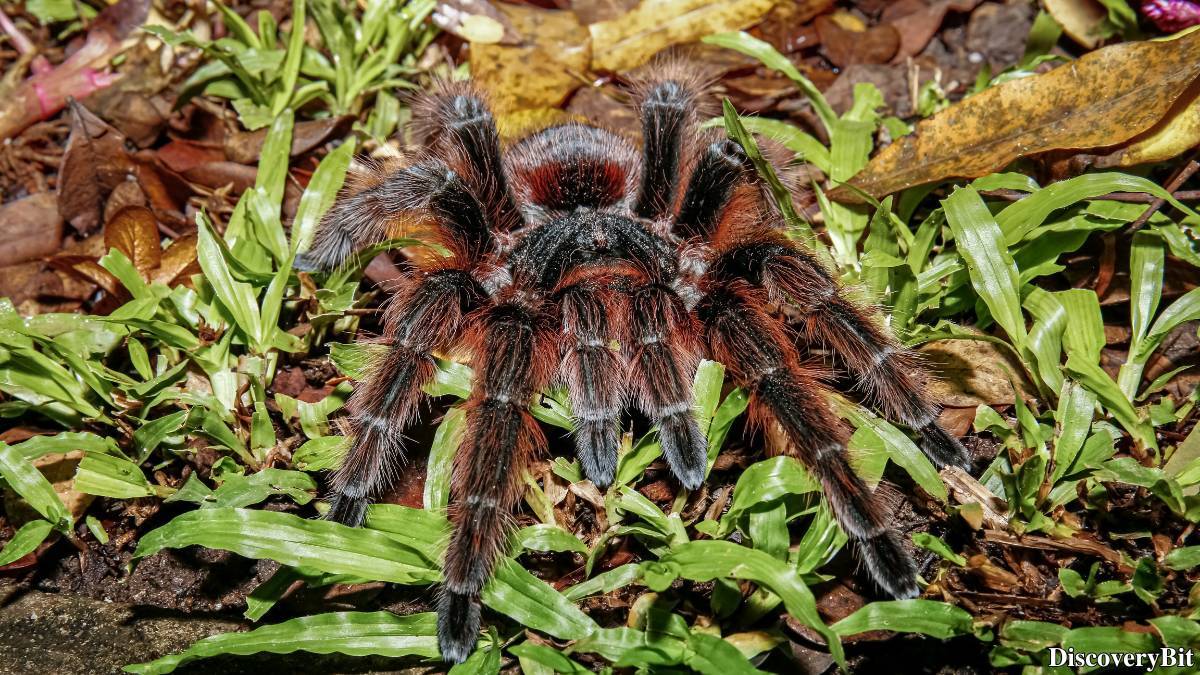
3) Brazilian Salmon Pink Birdeater (Lasiodora parahybana)
Description
Rank the top 10 biggest spiders by size. The Brazilian Salmon Pink Birdeater is one of the largest tarantulas in the world, achieving a leg span of up to 28 cm (11 inches) and consistently ranking among the top three species by mass (Toxicon, 2017). Its common name stems from the pinkish-red setae (hairs) that develop on its legs and abdomen as it matures. Native to northeastern Brazil, it inhabits the humid forest and scrub regions (Toxicon, 2017).
Behavior
This species is generally considered calm and quite bold, often standing its ground in a defensive posture rather than fleeing when provoked (Fowler, 2020). While not as skittish as many other large tarantulas, its primary defensive action is to flick urticating hairs when disturbed. It is a nocturnal species, spending the night actively hunting or patrolling.
Lifestyle
A terrestrial burrower, it prefers moist, sheltered environments. Females are known for their longevity, living between 15–20 years. Its fast growth rate and hardiness contribute to its success both in the wild and in captivity.
Feeding
This tarantula is an opportunistic predator with a robust appetite. Its natural diet includes large insects, worms, small reptiles, amphibians, and occasionally small mammals (Toxicon, 2017). Its formidable size allows it to overpower prey that smaller species cannot handle (Fowler, 2020).
Characteristics
a) One of the top three largest tarantulas by mass (Toxicon, 2017)
b) Distinctive pinkish-red setae (hairs) on a dark body
c) Known for its relatively fast growth rate and hardiness
d) Females are significantly larger and longer-lived than males
e) Highly popular in the exotic pet trade due to its size, beauty, and manageable temperament.
Defence Mechanism
Urticating hairs: These are barbed hairs flicked from the abdomen, designed to irritate the skin and eyes of predators Threat posture: Raising front legs and exposing its fangs to intimidate a threat Bite: The bite is painful due to the mechanical force of the fangs, but the venom is mild and generally not medically significant for humans (Toxicon, 2017).
Uses (Edibility, Human Interaction)
Aside from being a highly sought-after exotic pet due to its size and docile nature, this species holds no known cultural value as food or medicine (Fowler, 2020). It is one of the most commonly bred large tarantulas worldwide.
Other Attributes
a) Highly fertile females capable of producing very large egg sacs containing thousands of spiderlings (Fowler, 2020)
b) Plays an important ecological role as a key predator of forest invertebrates
c) Conservation Status: Not Assessed by the IUCN Red List, but not considered critically endangered in the wild.
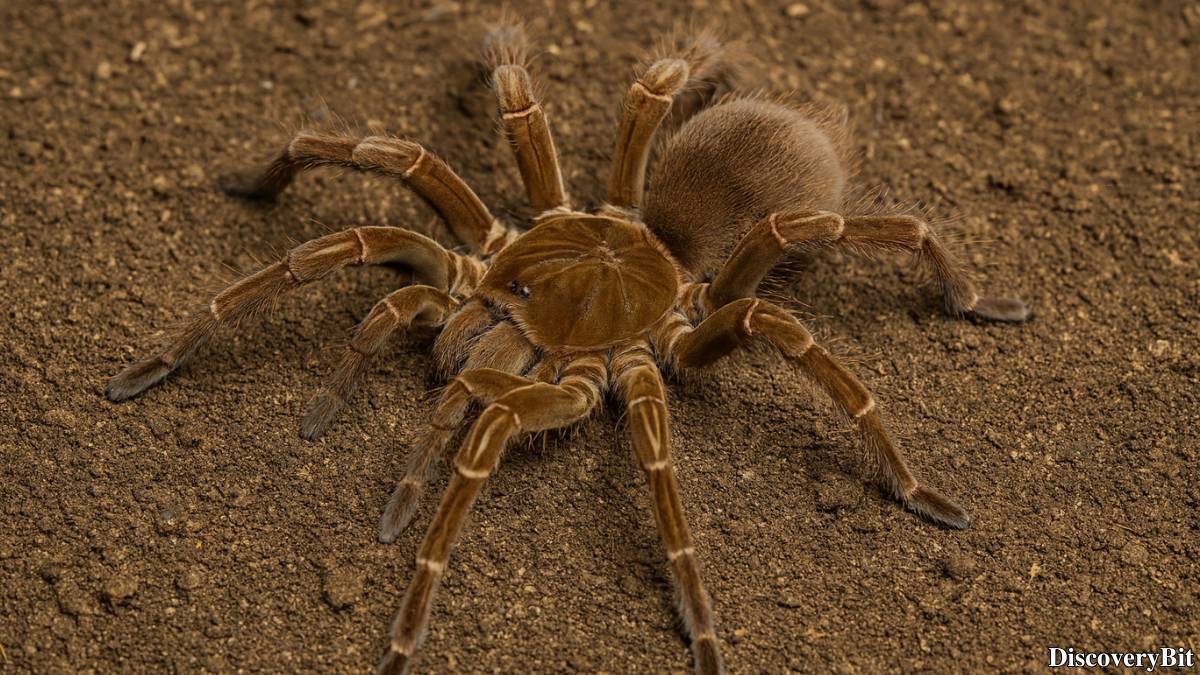
4) Burgundy Goliath Birdeater (Theraphosa stirmi)
Description
Compare the goliath birdeater and the giant huntsman spider. The Burgundy Goliath Birdeater is one of the largest tarantulas on Earth, reaching a maximum leg span of up to 28 cm (11 inches) and often rivaling its close relative, Theraphosa blondi, in mass (Peters, 2003). It is instantly recognizable by its deep, rich burgundy-brown coloration. The body is heavily built, with thick, powerful legs. It is native to Guyana, Brazil, and surrounding regions of northern South America (Peters, 2003).
Behavior
This species is generally calm but can be highly defensive when threatened or cornered. It is less skittish than some tarantulas but will readily use its primary defense, urticating hairs, if disturbed. It is primarily nocturnal, relying on ambush tactics and ground vibrations to accurately detect approaching prey (Gundersen, 2021).
Lifestyle
A terrestrial burrower, T. stirmi spends most of its life in deep, established burrows. It thrives in warm, humid environments. Females can live for an impressive 15–20 years. It is distinguishable from T. blondi by having shorter leg hairs and is sometimes called the “Burgundy Goliath Bird Eater” (Gundersen, 2021).
Feeding
The Burgundy Goliath Birdeater is an opportunistic predator capable of overpowering large prey. Its diet includes large insects, worms, amphibians, small reptiles, and occasionally small mammals (Peters, 2003). Its sheer size and strength allow it to tackle prey that many smaller spiders cannot manage.
Characteristics
a) Among the largest tarantulas by mass and leg span (Peters, 2003)
b) Distinct deep burgundy coloration, especially pronounced in adults
c) Distinguishable from T. blondi by shorter leg hairs.
d) Females are significantly larger and longer-lived than males
e) Sometimes called the “Burgundy Goliath Bird Eater.”
Defence Mechanism
Urticating hairs: Flicked rapidly from the abdomen, these hairs cause severe irritation and are its first line of defense Threat posture: Rearing up to display its formidable size and large fangs Stridulation: Producing a quiet but discernible hissing sound when agitated Bite: Although painful due to the mechanical size of the fangs, the venom is not medically dangerous to humans.
Uses (Edibility, Human Interaction)
Human interaction mainly revolves around the exotic pet trade, where it is prized for its size, beauty, and imposing presence. It is not utilized in any known cultural context for food or medicine. It is hardy in captivity but requires experienced keepers due to its size and urticating hairs.
Other Attributes
a) Plays a key ecological role as a top invertebrate predator in its ecosystem
b) Conservation Status: Currently listed as “Not Assessed” by the IUCN Red List.
c) Highly sought after for its rich coloration.
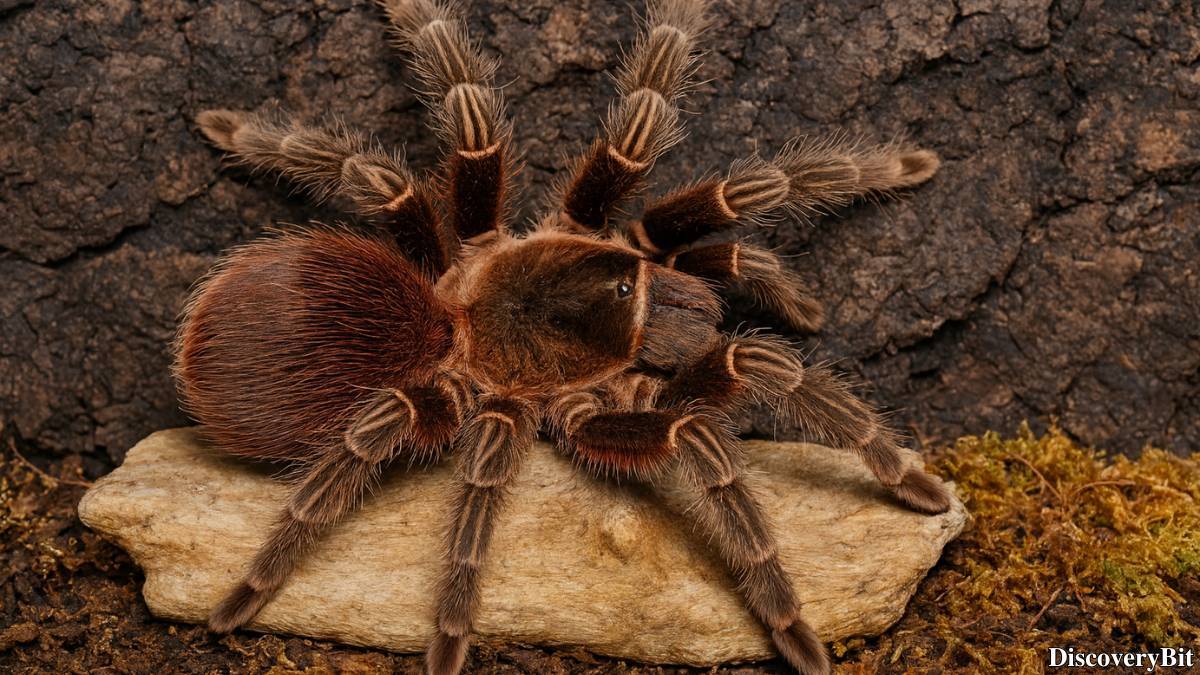
5) Brazilian Giant Tawny Red Tarantula (Lasiodora klugi)
Modified from Wikipedia.
Description
Why are giant spiders so scary? The Brazilian Giant Tawny Red Tarantula is one of the largest members of the Lasiodora genus, reaching a massive leg span of up to 25 cm (10 inches) and rivaling other South American giants in mass (Peters, 2003). It is visually striking, with a dark, almost black body strongly contrasted by vivid red or tawny hairs on the legs and abdomen (Mellaerts, 2011). Native to northeastern Brazil (Bahia), it inhabits humid rainforests and scrublands (Peters, 2003).
Behavior
This species is generally bold and confident but can be highly defensive when provoked. As large adults, they are known to stand their ground rather than attempting to flee. While not typically aggressive toward humans, it will readily use its urticating hairs as a primary defense if disturbed (Mellaerts, 2011). It is nocturnal, becoming active at night to hunt or patrol its territory.
Lifestyle
A terrestrial burrower, Lasiodora klugi prefers humid rainforests and spends most of its time in deep, silk-lined burrows. Females are long-lived, capable of surviving 15–20 years. Its hardy nature and impressive size make it a notable species both in the wild and in captivity. It is not as common in the pet trade as L. parahybana (Peters, 2003).
Feeding
This tarantula is an opportunistic predator with a strong, consistent appetite. Its diet includes large insects, worms, small amphibians, small reptiles, and occasionally small mammals (Mellaerts, 2011). Its considerable size and strength allow it to overpower prey that smaller spiders cannot manage.
Characteristics
a) One of the largest tarantulas in the Lasiodora genus (Peters, 2003)
b) Distinctive dark body with bright red or tawny leg hairs (Mellaerts, 2011)
c) Heavy-bodied and powerfully built d) Fast-growing and hardy
e) Females are significantly larger and longer-lived than males.
Defence Mechanism
Urticating hairs: Flicked from the abdomen, these barbed hairs cause localized irritation to eyes and skin Threat posture: Raising front legs and exposing its formidable fangs Bite: The bite is painful due to the mechanical size of the fangs, but the venom is considered mild and not medically significant for humans.
Uses (Edibility, Human Interaction)
This species is not used culturally for food or medicine. It is a highly valued acquisition in the exotic pet trade because of its size and striking coloration, though it is slightly less common than its close relative, L. parahybana.
Other Attributes
a) High fertility like its relatives, capable of producing large egg sacs
b) Plays an important ecological role as a key predator of forest invertebrates
c) Conservation Status: Currently listed as “Not Assessed” by the IUCN Red List.
Tags: Biggest spider in the world Compare the goliath birdeater and the giant huntsman spider. Create a realistic illustration of a goliath birdeater next to a human hand for scale. How big can the goliath birdeater get? Which is more dangerous: the biggest spider or the most venomous spider? Which spider has the largest leg span?