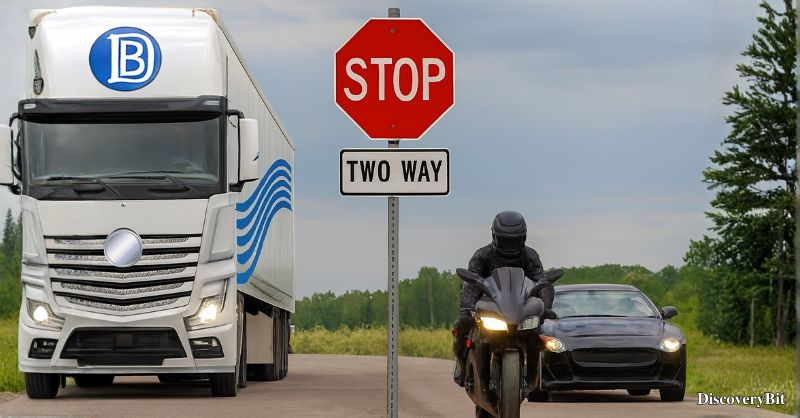
How many sides does a stop sign have? It is a question that leads to one of the most recognizable symbols in road safety, universally understood to mean one thing: halt. But beyond its bold red color and commanding presence, its shape plays a critical role in its effectiveness.
A stop sign has eight sides, making it an octagon, a design that is not just aesthetic but deeply functional. This unique shape ensures that drivers can identify the sign from multiple angles, even when visibility is poor or distractions abound.
Unlike circular or triangular signs, the octagon stands out, signaling urgency and commanding attention. Its geometry is so iconic that even when the text is obscured, the shape alone conveys its meaning.
In this post, we will explore why the stop sign has eight sides, how it got there, and what challenges and alternatives have emerged over time. From its historical roots to modern debates, the octagonal stop sign is more than a shape, as it is a legacy of safety.
Note: Some of the images used in this post may have been digitally altered for illustrative purposes and may not depict actual conditions or events
The History of the Stop Sign
The stop sign’s journey began in the early 20th century, when roads were shared by horses, pedestrians, and a growing number of automobiles. In 1915, Detroit introduced the first stop sign, which was a modest square with black letters on a white background. It was functional but lacked the visual impact needed for a rapidly evolving traffic environment.
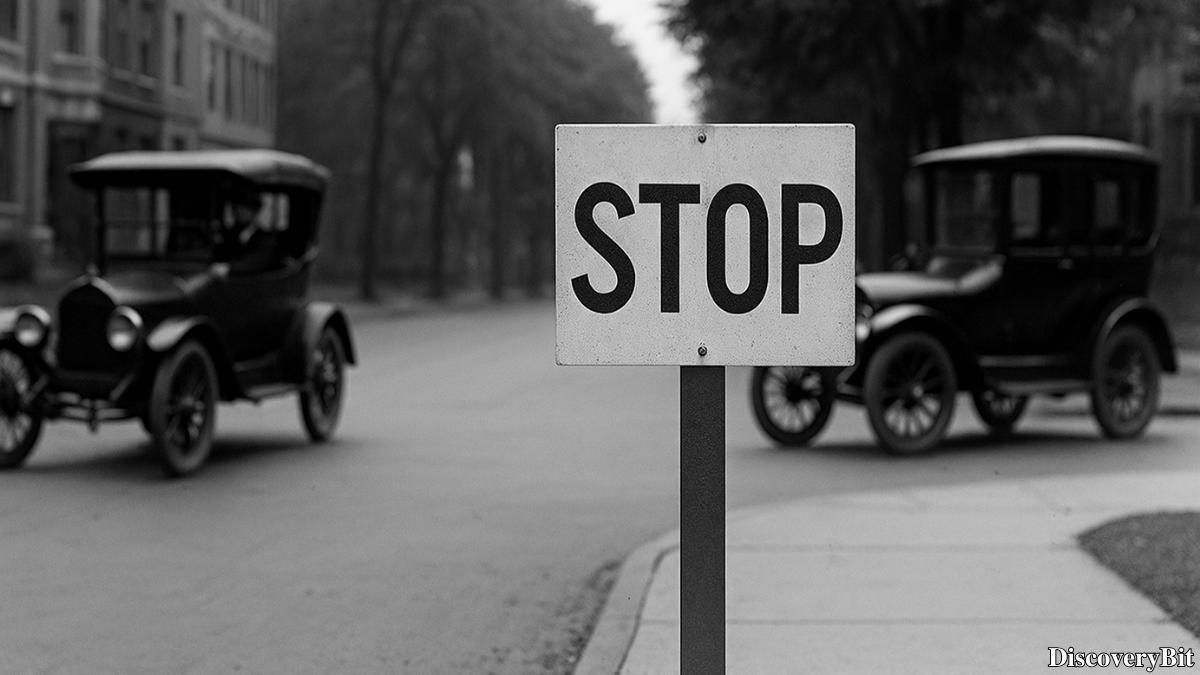
At the time, roads were chaotic, shared by horses, pedestrians, and a growing number of automobiles. Traffic control was minimal, and signage lacked standardization.
As cars became faster and more prevalent, traffic control needed to evolve. In the 1920s, the Mississippi Valley Association of State Highway Departments proposed a system of shapes to indicate the severity of road warnings. This system was rooted in the idea that drivers could quickly interpret the severity of a situation based on the sign’s shape, even before reading the text.
Here is how the hierarchy worked:
1) Circles, considered to have infinite sides, were reserved for the riskiest hazards, such as railroad crossings, where the consequences of ignoring a sign could be fatal.

2) Octagons denoted the second most perilous hazards, like intersections, where multiple streams of traffic converged and the risk of collision was high.
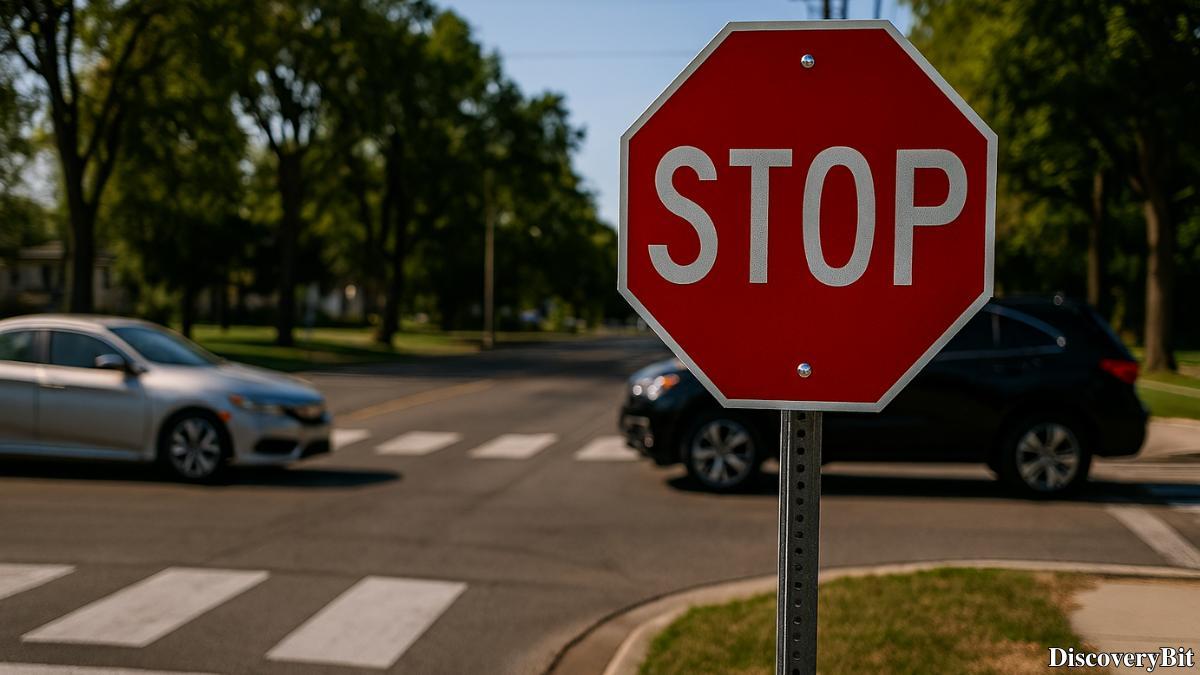
3) Diamonds were used to signal less-tricky stretches, such as curves or merging lanes. These are areas that required caution but posed less danger.

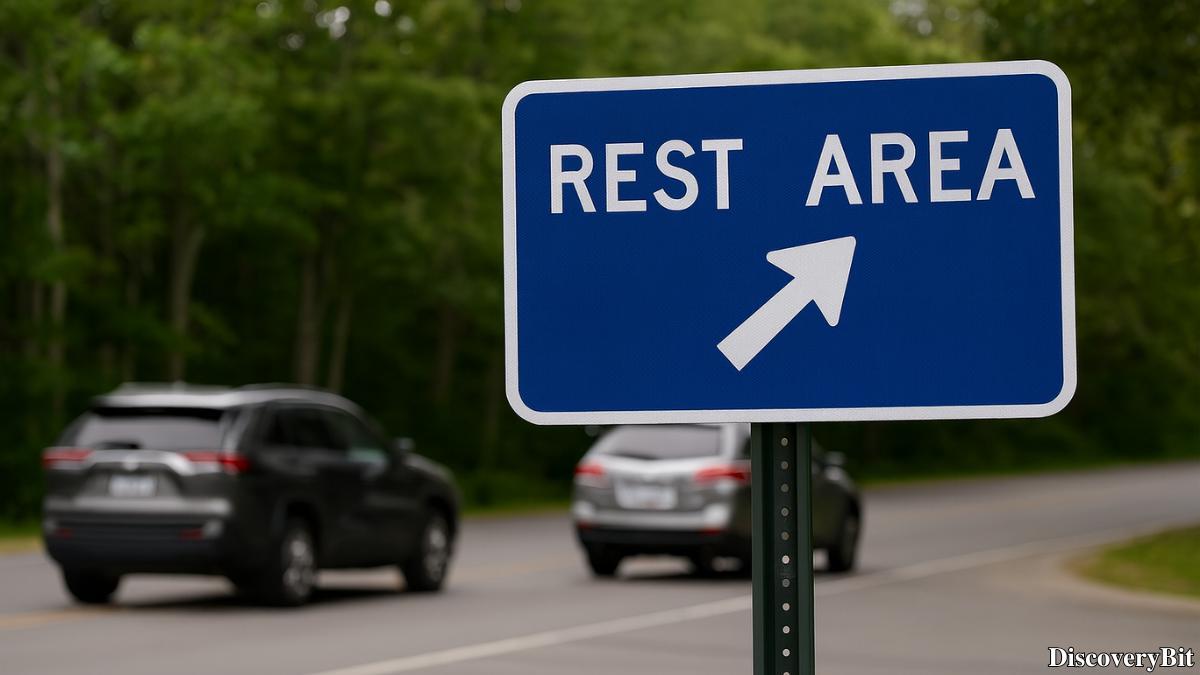
4) Rectangles were strictly informational, used for guidance, directions, or regulations that didn’t involve immediate risk.
5) Interestingly, the nonagon (a nine-sided shape) was never adopted, and to this day, no one knows why it drew the short stick in the shape hierarchy.
This shape-based system laid the foundation for modern traffic signage. The octagon was chosen for stop signs because it was unique and instantly recognizable. Even if the sign was partially obscured or viewed from an angle, the eight-sided silhouette would still convey its message.
Initially, stop signs were yellow with black lettering. This color scheme was chosen because red reflective materials were difficult to produce and maintain. Yellow was visible and attention-grabbing, but it lacked the psychological urgency associated with red.

By 1954, advancements in reflective technology allowed for the use of red coatings, and the stop sign was standardized to its now-iconic red octagon with white lettering. This design was adopted across the United States and eventually became the global standard.
The Mandate for Uniformity
The full standardization of the red, octagonal stop sign wasn’t just a widely accepted change; it was formally mandated by the Manual on Uniform Traffic Control Devices (MUTCD).
The MUTCD is the federal document that sets the standards for all traffic signs, signals, and pavement markings in the United States. Its first national edition was published in 1935, beginning the crucial process of harmonizing traffic signs across states.
The 1954 edition of the MUTCD officially mandated the red, octagonal stop sign nationwide, replacing the earlier yellow versions. This move was critical because it ensured that a driver from any state would immediately recognize the stop sign in any other state, significantly boosting road safety.
The combination of red and octagon created a powerful visual sign that demanded attention and compliance. The octagonal stop sign became a symbol of safety, order, and predictability. Its shape and color were chosen not just for aesthetics but for psychological impact.
Red is associated with urgency and danger, while the octagon is distinct from other traffic signs, making it instantly recognizable.
Today, the shape hierarchy still influences road signage. Circles are used for railroad crossings, diamonds for warnings, and rectangles for information. But the octagon remains reserved exclusively for stop signs, which is a testament to its enduring legacy in traffic safety.
Types of Stop Signs: From Riskiest to Least Risky
Stop signs are not one-size-fits-all. Their placement and design vary depending on traffic conditions, visibility, and risk level. Here is a deeper look at the different types:
1) All-Way Stop Signs (4-Way or Multi-Way)
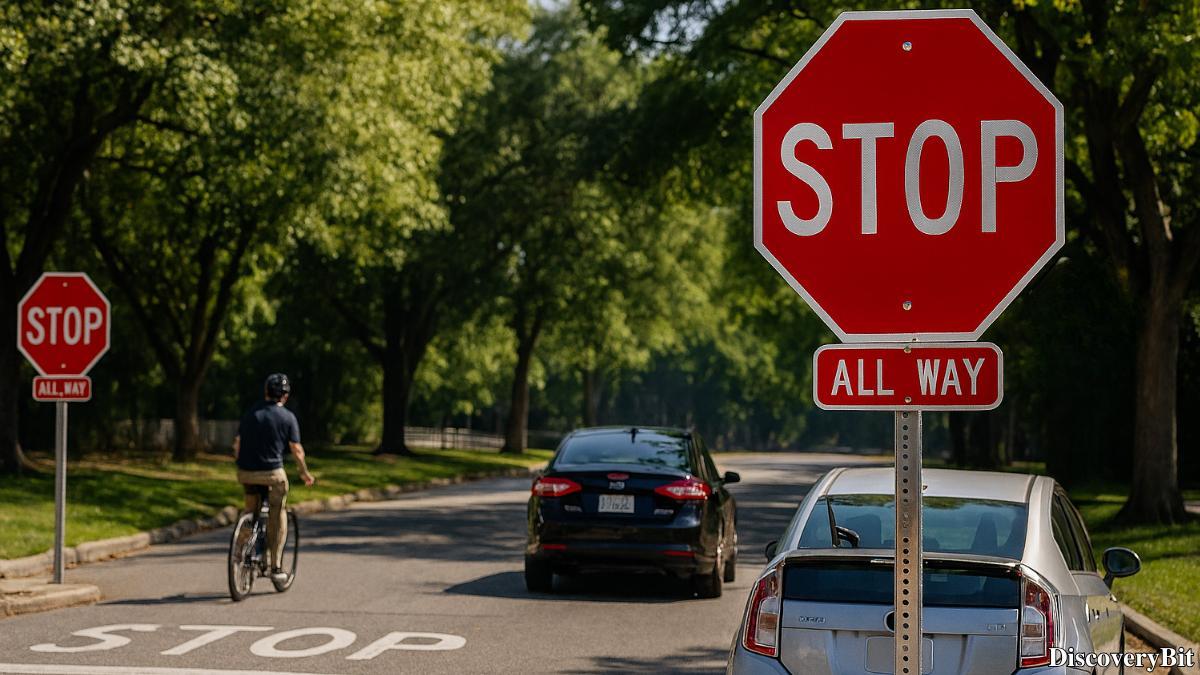
These are placed at intersections where traffic from all directions must stop. They are common in residential areas, school zones, and places with frequent accidents. The goal is to ensure that every driver has equal opportunity to proceed safely. However, they can be risky if drivers are unfamiliar with the rules or if visibility is poor. Miscommunication between drivers can lead to confusion and collisions.
2) Single-Direction Stop Signs
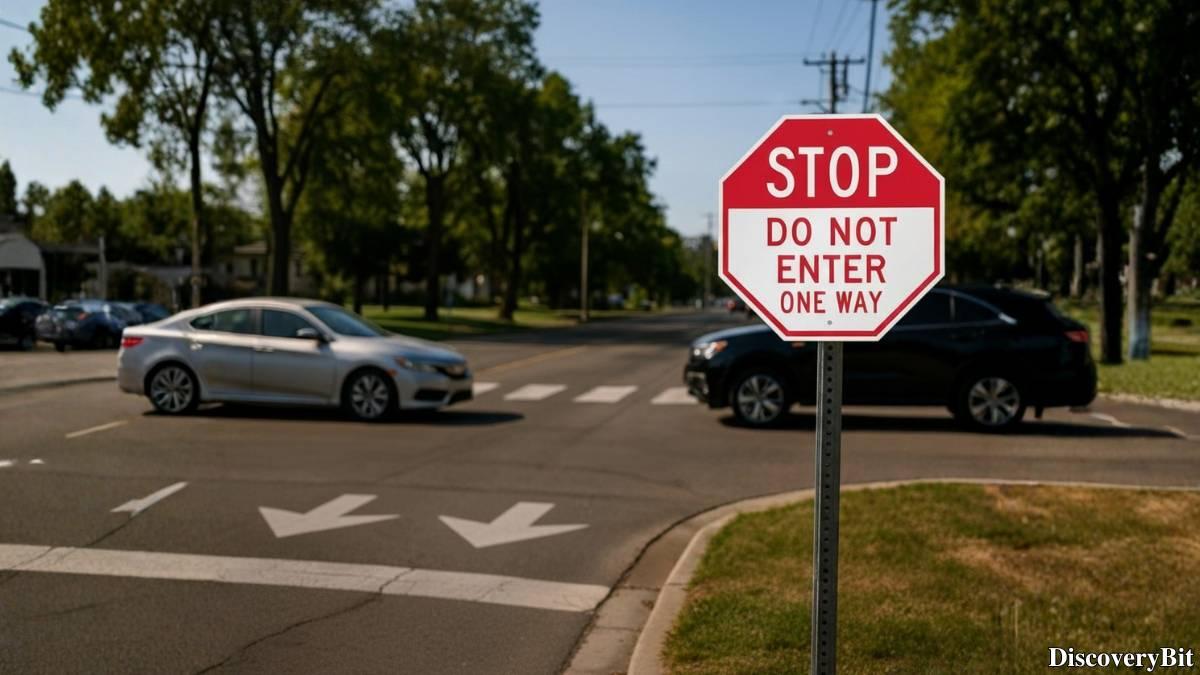
These are used at T-intersections or minor roads that meet major roads. Only the traffic on the minor road is required to stop. While effective, they rely heavily on driver judgment and visibility. If a driver fails to notice the sign or misjudges the speed of cross traffic, accidents can occur.
3) Temporary Stop Signs
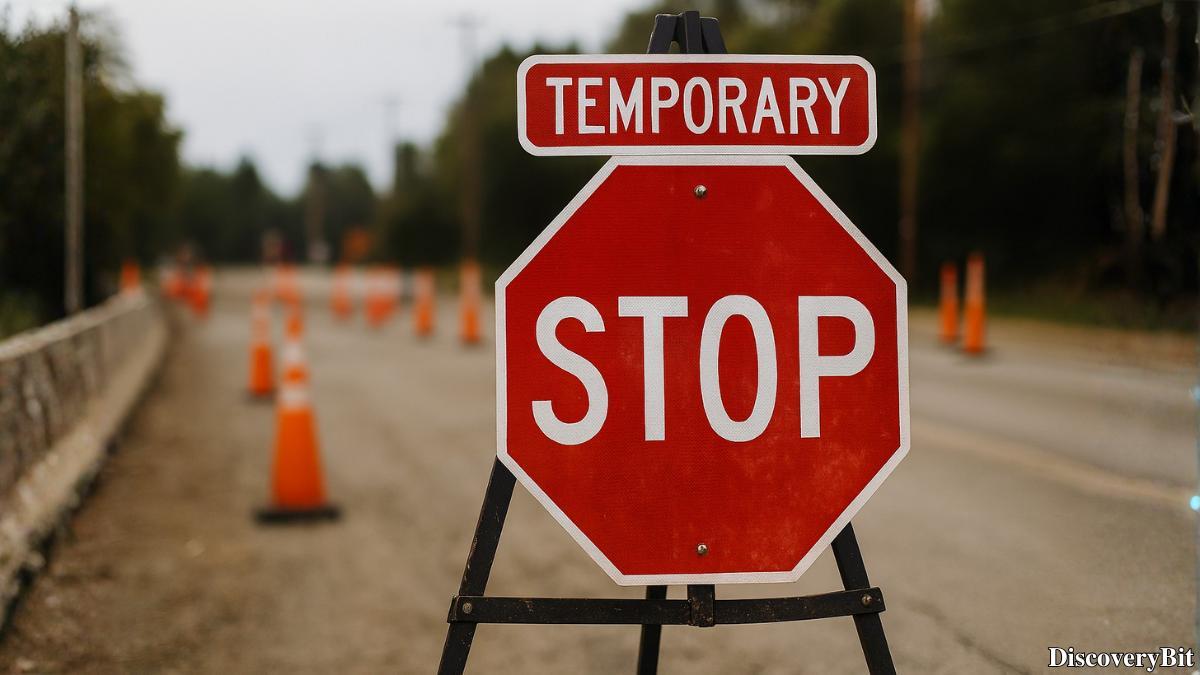
The signs are used during construction, emergencies, or special events, and are often mounted on portable stands. Their temporary nature can make them less noticeable, especially if drivers are used to a different traffic pattern. Proper placement and visibility are crucial to their effectiveness.
4) Flashing Stop Signs
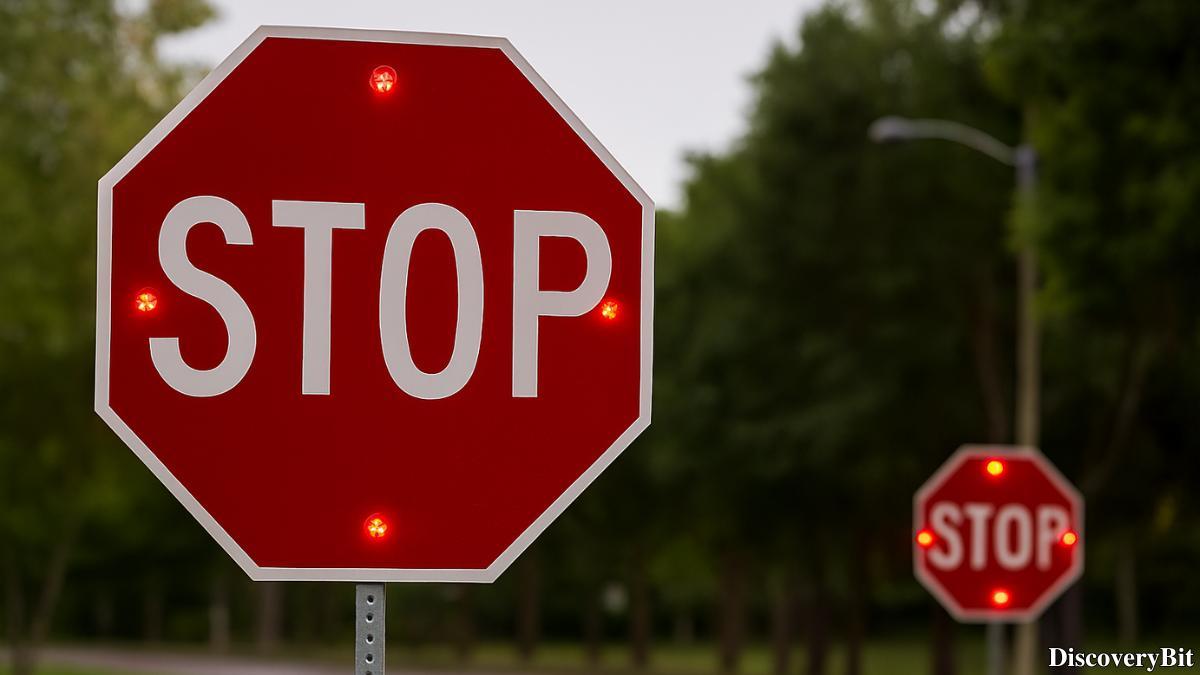
Equipped with LED lights, these signs are designed to grab attention in high-risk areas. They are especially useful at night or in places with frequent violations. The flashing lights reinforce the need to stop and reduce the likelihood of drivers ignoring the sign.
5) Yield-to-Stop Hybrid Signs
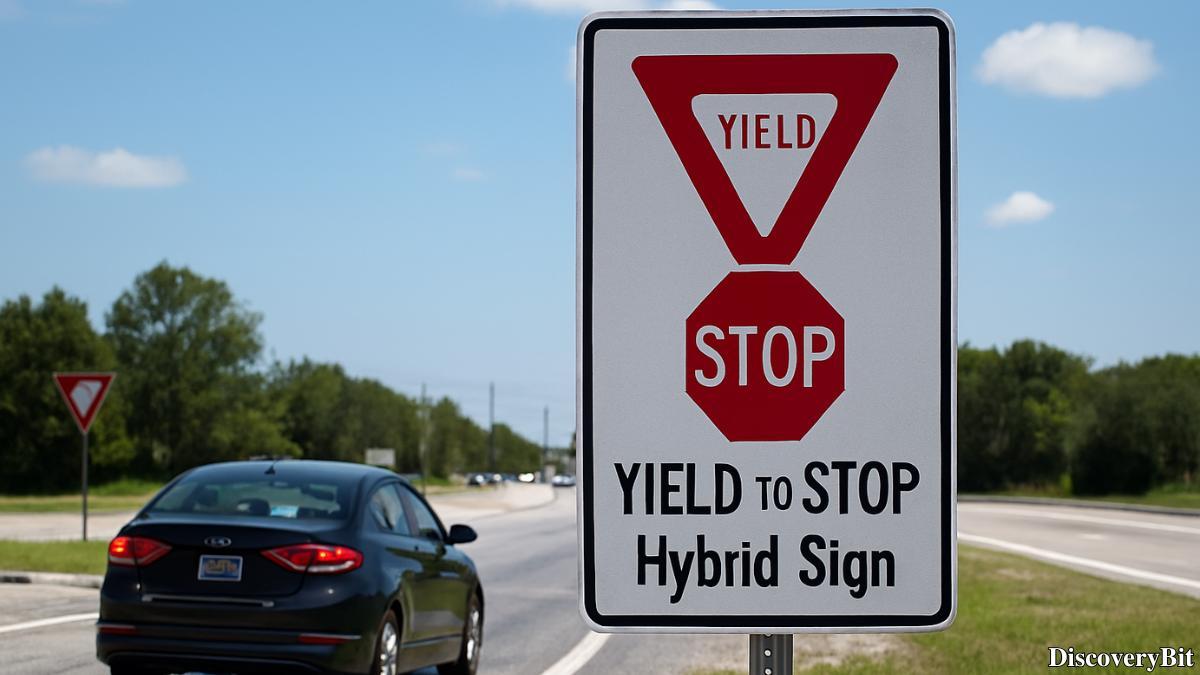
These are rare and typically used in transitional zones where traffic volume fluctuates. Drivers may yield unless conditions require a full stop. While they offer flexibility, they can be confusing, especially for unfamiliar drivers. Clear signage and road markings are essential to prevent misunderstandings.
Each type of stop sign serves a specific purpose, and their effectiveness depends on proper placement, visibility, and driver compliance.
Why Does the Stop Sign Have 8 Sides?
The decision to use an octagon for stop signs, as previously stated, was rooted in logic, psychology, and practicality. Here is why the eight-sided design became the gold standard:
1) Unique Shape Recognition
The octagon is distinct from other traffic sign shapes. Circles are used for regulatory signs, triangles for yield, and rectangles for informational signs. The octagon stands alone, reserved exclusively for stopping. This exclusivity enhances recognition and reduces confusion.
2) Visibility from All Angles
An octagon maintains its shape even when viewed from the side or at an angle. This is especially important at intersections where drivers approach from different directions. The shape helps drivers identify the sign even if the lettering is obscured by dirt, snow, or vandalism.
3) Psychological Impact
Studies in human behavior and visual cognition show that unique shapes paired with bold colors trigger faster recognition. Red, associated with danger and urgency, reinforces the need to stop. The combination of red and octagon creates a powerful visual cue that demands attention.
4) International Standardization
The red octagonal stop sign has become the prevailing international standard around the world, adopted by the majority of countries, including those listed below.
Its use is strongly promoted by the Vienna Convention on Road Signs and Signals (1968), which most countries follow. While the Convention permits an alternative circular sign, the red octagon is the preferred model chosen by nearly all signatories, significantly aiding international driver recognition.
This standardization ensures the sign is recognized regardless of language or local customs, making roads safer for everyone.
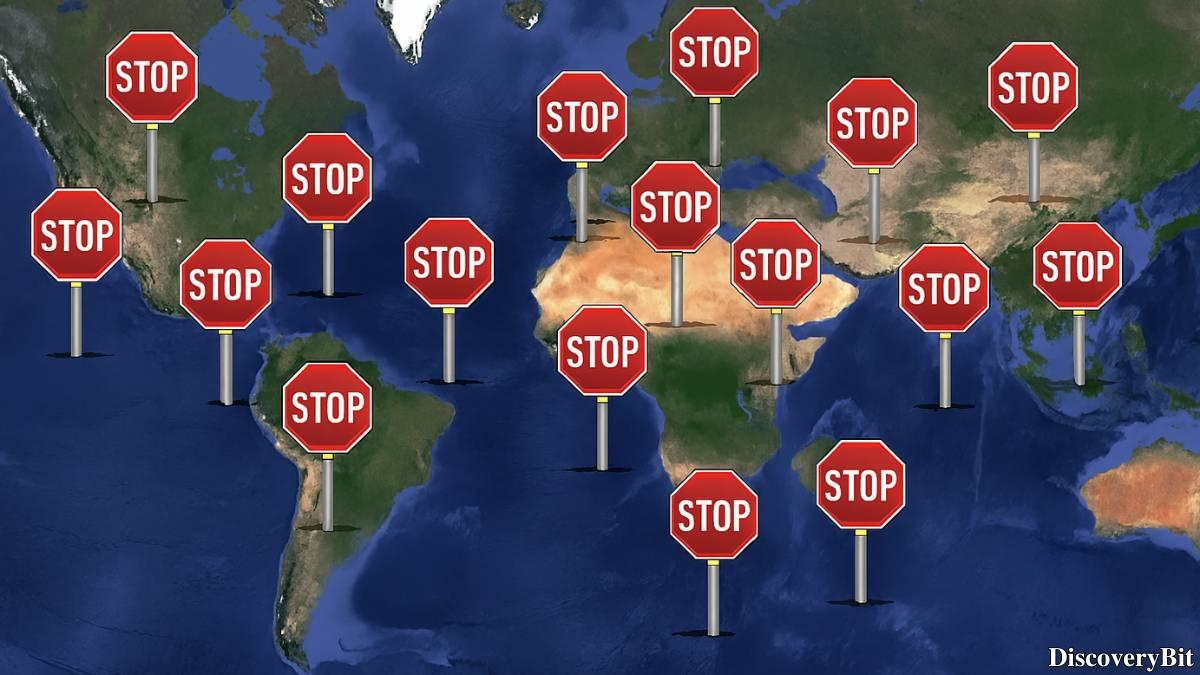
Countries Grouped by Region (Octagonal Stop Sign Users)
The following regions primarily use the red octagonal stop sign, though the word on the sign may vary:
A) North America (Text: STOP / ARRÊT / ALTO) United States (STOP), Canada (STOP/ARRÊT), Mexico (ALTO), Bermuda, Bahamas, Jamaica
B) South America (Text: PARE / ALTO) Argentina, Brazil (PARE), Chile, Colombia, Peru, Bolivia, Ecuador, Uruguay, Paraguay, Venezuela.
Note: Most Spanish-speaking South American countries use PARE, while Mexico and Central America generally use ALTO.
C) Europe (Text: STOP) United Kingdom, France, Germany, Italy, Spain, Portugal, Netherlands, Belgium, Austria, Switzerland, Sweden, Norway, Finland, Poland, Czech Republic, Hungary, Greece, Ireland, Estonia, Latvia, Lithuania, Slovakia, Slovenia, Croatia, Romania, Bulgaria.
Note: European countries mostly use the English word STOP to maintain uniformity for international drivers.
D) Africa (Text: Varies) South Africa, Egypt, Nigeria, Kenya, Botswana, Morocco, Tunisia, Ghana
E) Asia (Text: Varies) India, Malaysia, Philippines, Israel (often uses a hand symbol instead of text), Turkey (DUR), South Korea (often bilingual), Singapore, Indonesia, Thailand, Vietnam
F) Oceania (Text: STOP) Australia, New Zealand, Fiji, Papua New Guinea
Exceptions (Non-Octagonal Stop Signs)
Despite the global trend, some countries/regions use a different shape, which may confuse international drivers:
A) Japan: Uses an inverted red triangle (similar to a “Yield” sign elsewhere) with Japanese characters.
B) China: Often uses a circular sign with Chinese text or symbols.
C) Cuba: Frequently uses the circular “Give Way” sign with the word PARE inside, which is the alternative design allowed by the Vienna Convention.
5) Durability of Meaning
Even if the sign is damaged or faded, the shape alone communicates its purpose. This redundancy ensures that the message remains clear, even in adverse conditions.
The octagon is not just a design choice, it is a strategic decision that enhances safety, recognition, and consistency.
Challenges Against the 8-Sided Stop Sign
Despite its effectiveness, the octagonal stop sign faces several challenges in modern traffic systems:
1) Driver Desensitization
In areas with excessive signage, drivers may become desensitized. When stop signs are overused or placed in low-risk areas, drivers may begin to treat them as optional. This behavior undermines the sign’s authority and increases the risk of accidents.
2) Obstruction and Vandalism
Stop signs can be blocked by trees, parked vehicles, or construction equipment. Vandalism, such as graffiti or theft, can also reduce their visibility. While the shape helps with recognition, full visibility is still essential for compliance.
3) Technological Alternatives
With the rise of autonomous vehicles and smart traffic systems, reliance on physical signs may decrease. GPS-based alerts, vehicle-to-infrastructure communication, and real-time traffic data could replace static signage. However, this transition requires widespread infrastructure upgrades and public trust in technology.
4) Cultural and Regional Variations
While the octagon is widely recognized, not all countries use it exclusively. Some regions may use different colors, languages, or shapes, leading to confusion for international drivers. Efforts to standardize signage globally are ongoing but face logistical and cultural hurdles.
5) Overuse in Low-Risk Areas
Placing stop signs in areas with minimal traffic can lead to unnecessary delays and driver frustration. This can result in non-compliance, where drivers roll through stops or ignore them altogether. Traffic engineers must balance safety with efficiency when deciding where to place stop signs.
6) Maintenance and Replacement Costs
Stop signs require regular maintenance to ensure visibility and structural integrity. Weather damage, fading, and vandalism can necessitate frequent replacements. In rural or underfunded areas, this can be a significant burden.
7) Misinterpretation by New Drivers
New or inexperienced drivers may misinterpret stop sign rules, especially at multi-way intersections. Education and clear road markings are essential to ensure proper understanding and compliance.
8) Distracted Driving
The primary challenge of modern traffic is distracted driving, largely due to mobile phones and in-car technology.
a) The driver who is looking down at a phone may miss the sign entirely, regardless of its unique shape or color.
b) While the octagon shape is designed for recognition even when facing away, a distracted driver is challenging the entire visual system of road signs. The sign must compete with in-vehicle screens and heads-up displays, which may not always prioritize static road sign data.
9) Ambiguity of “Full Stop” in Legal Definition
There is an ongoing legal and practical challenge in defining a “full and complete stop.”
a) Rolling Stops (California Stops): Many drivers slow down significantly but do not come to a complete halt, often referred to as a “rolling stop.” This behavior is technically non-compliant but often difficult for law enforcement to cite unless there is clear danger.
b) Legal Disparity: Varying state or local laws regarding the required duration of the stop (e.g., stopping for three seconds versus just breaking the momentum) create confusion and inconsistency in enforcement and driver behavior. This ambiguity undermines the absolute nature of the command “STOP.”
10) Environmental Wear and Tear (Beyond Vandalism)
While you mentioned maintenance costs, the environmental factor poses a specific challenge to the sign’s long-term visual integrity.
a) Reflectivity Degradation: The highly reflective sheeting material used on modern stop signs degrades over time due to UV exposure and pollution. This causes the sign to lose its nighttime visibility and conspicuity, especially in areas without adequate street lighting, making it less effective when it is needed most.
b) Weather Effects: Extreme weather conditions, like heavy snow or ice build-up, can completely obscure the sign, rendering its unique shape and color useless until the weather clears.
Despite these challenges, the octagonal stop sign remains a cornerstone of road safety. Its design, history, and psychological impact make it one of the most effective tools in traffic control.
Tags: Facts How Many Sides Does A Stop Sign Have Stop Sign