
7) Sellafield, United Kingdom
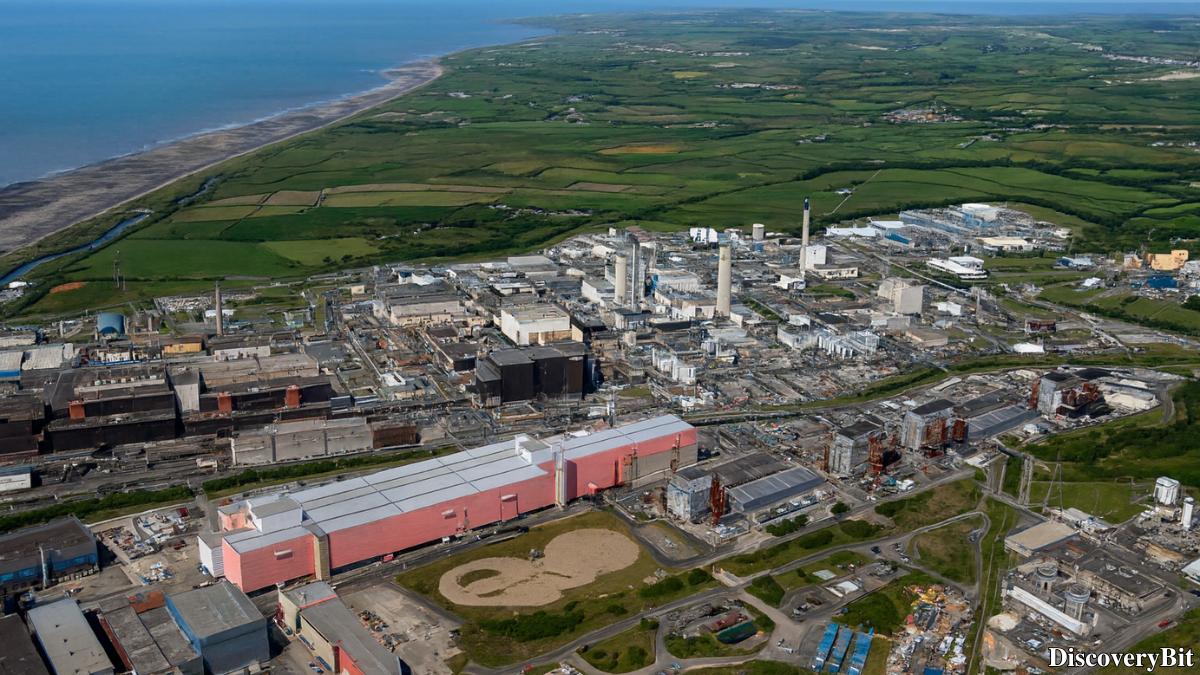
Sellafield, located on England’s northwest coast, was once a hub for nuclear fuel reprocessing and weapons-grade plutonium production. Decades of operations led to radioactive leaks into the Irish Sea, making it one of Europe’s most contaminated sites, and one of the most radioactive places on earth. The facility has experienced fires, spills, and storage failures. Cleanup is ongoing, with billions spent on decommissioning and waste management. The site still stores high-level nuclear waste, and its legacy includes elevated cancer rates in nearby communities. Ocean currents have spread contamination along the coast. Sellafield symbolizes the long-term challenges of nuclear waste and the need for robust containment strategies in aging facilities.
8) Mailuu-Suu, Kyrgyzstan
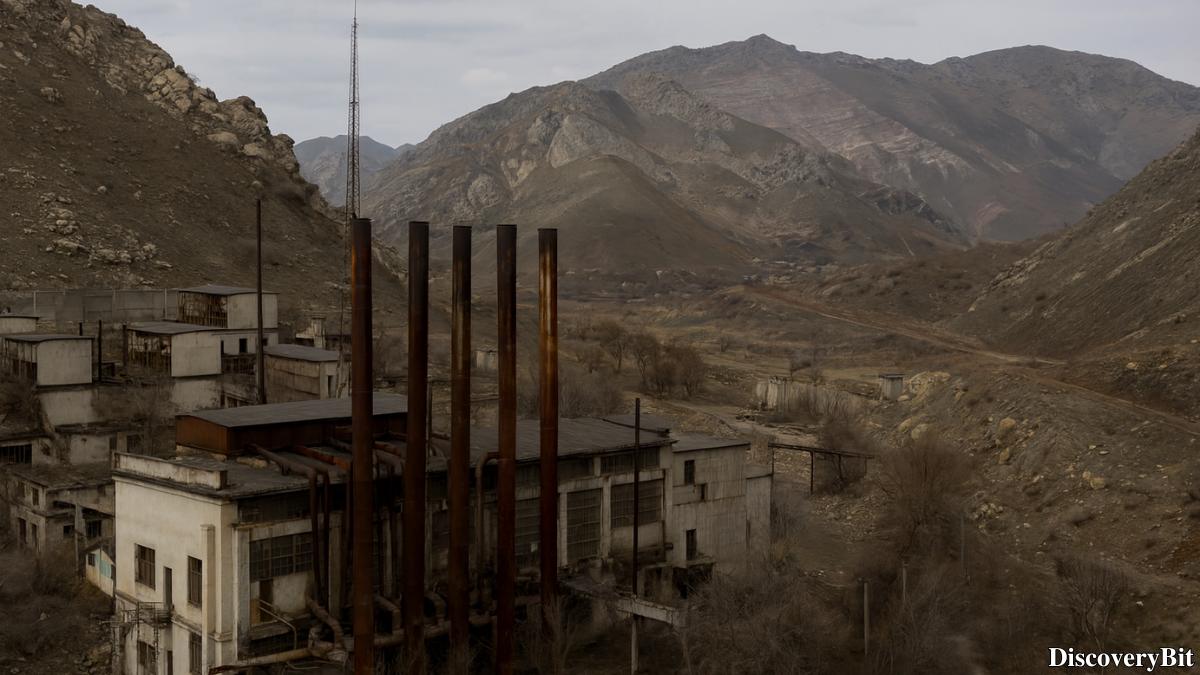
Mailuu-Suu, often cited as one of the most radioactive places on earth, was a Soviet-era uranium mining town nestled in the mountains of Kyrgyzstan. Over 23 tailing dumps and 13 waste ponds remain, many vulnerable to landslides and earthquakes. These pose a serious threat to the local population and river systems. Radiation levels in some areas exceed safety limits, and children suffer from elevated rates of leukemia and birth defects. International aid has helped stabilize some waste sites, but full remediation remains elusive. The region’s topography with steep slopes and active seismic zones, amplifies the risk of radioactive spread. Mailuu-Suu is a stark example of forgotten Cold War legacies and the environmental cost of uranium extraction.
9) The Polygon (Semey), Kazakhstan
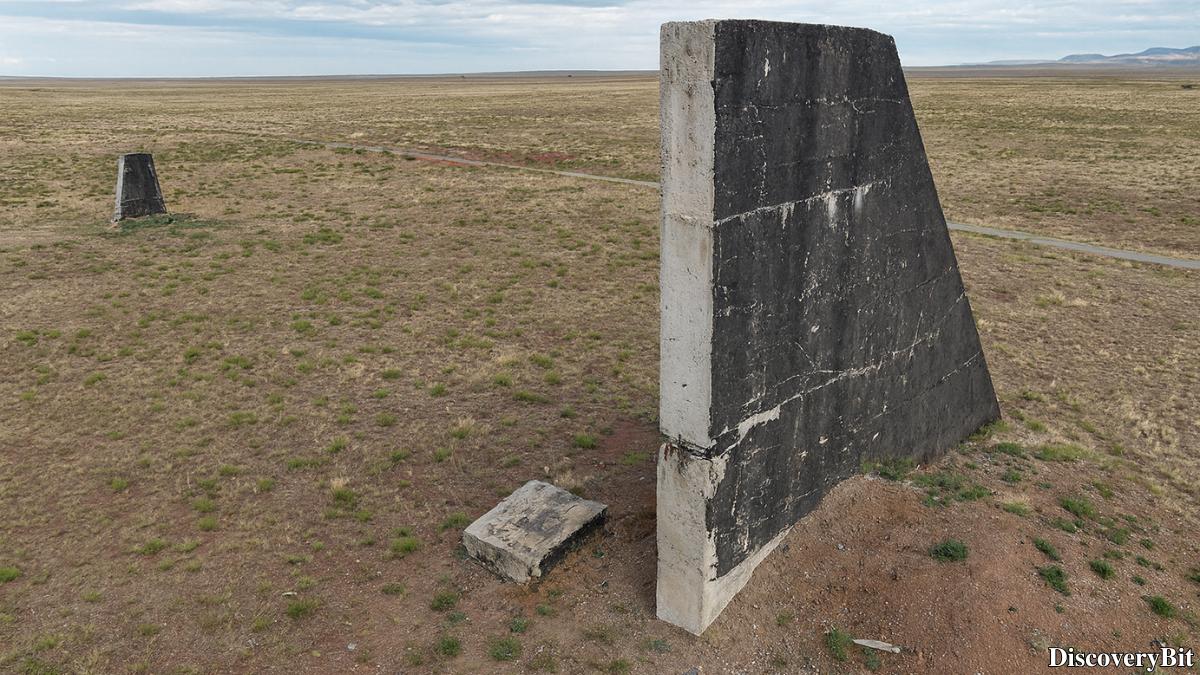
The Polygon, also known as the Semipalatinsk Test Site, hosted 456 Soviet nuclear tests over four decades. The fallout affected over a million people, with widespread cancer, birth defects, and psychological trauma. Despite partial fencing and monitoring, many locals still live in contaminated zones. Wind and water erosion continue to spread radioactive particles. Some areas have been repurposed for research, but the health burden remains. The site’s vastness (18,000 square kilometers) makes cleanup daunting. The Polygon, one of the most radioactive places on earth, is a chilling monument to Cold War ambition, where geopolitical strategy left a permanent scar on human health and the Kazakh landscape.
10) Pripyat, Ukraine
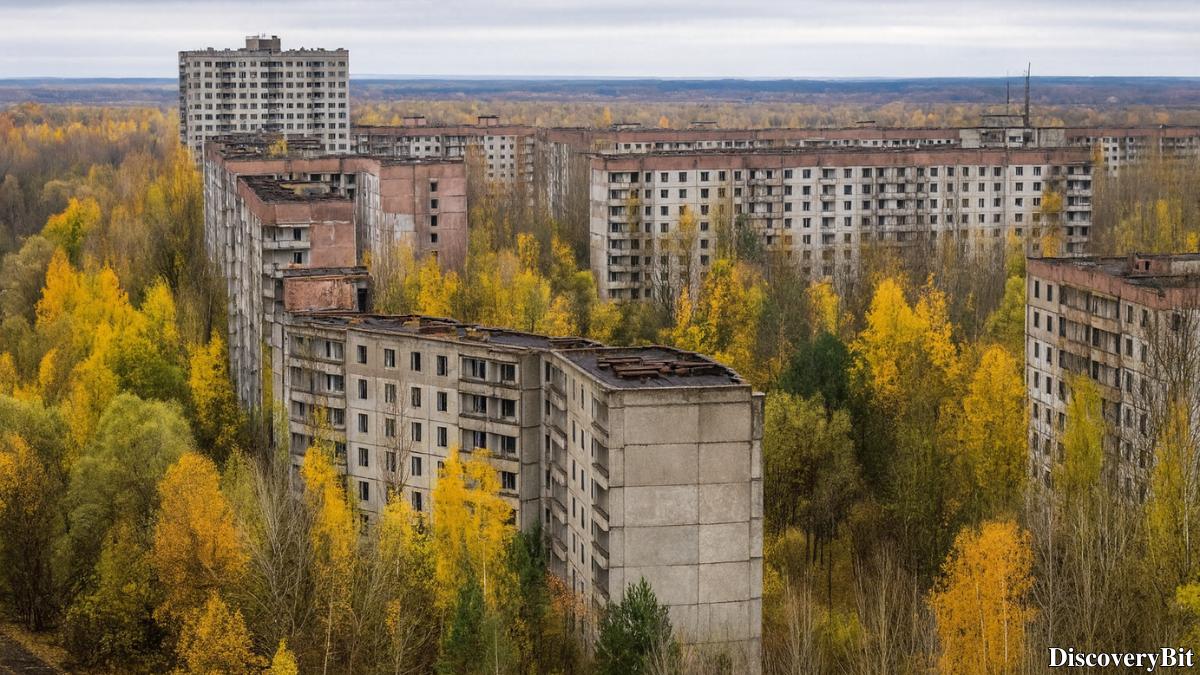
Pripyat was built to house Chernobyl workers and was evacuated within 36 hours of the 1986 disaster. The city remains frozen in time, with decaying buildings and personal belongings untouched. Radiation hotspots persist, especially in moss, soil, and building materials. Tourists can visit with precautions, but some zones remain lethal. The absence of humans has allowed wildlife to flourish, though mutations and ecological shifts are documented. Pripyat’s eerie silence and haunting visuals have made it a symbol of nuclear catastrophe. It serves as both a cautionary tale and a surreal reminder of how quickly civilization can be undone by technological failure.
11) Institut de Radiothérapie, Goiânia, Brazil
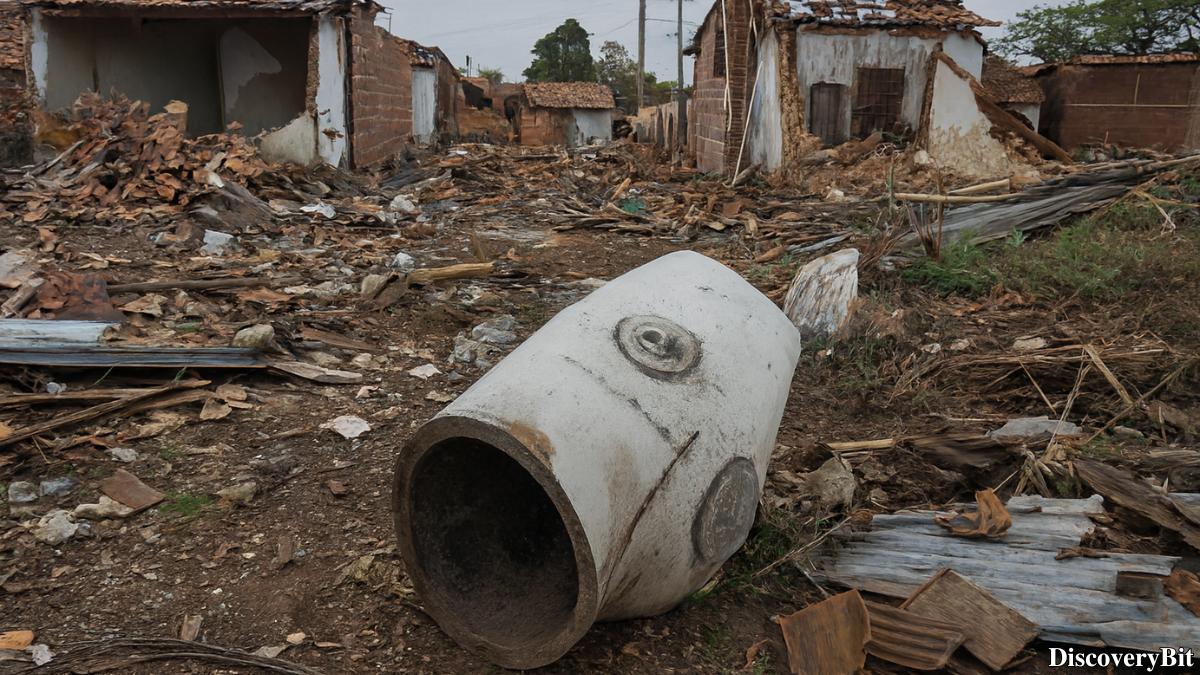
In 1987, scavengers dismantled a radiotherapy machine from an abandoned clinic in Goiânia, Brazil, exposing the city to cesium-137. The glowing blue powder fascinated locals, leading to widespread contamination. Four people died, and hundreds were exposed. The Brazilian government launched a massive cleanup, demolishing homes and burying contaminated materials. The incident remains one of the worst radiological accidents involving a medical device. Goiânia’s tragedy underscores the dangers of unsecured radioactive equipment and the need for proper disposal protocols.
12) Palomares, Spain
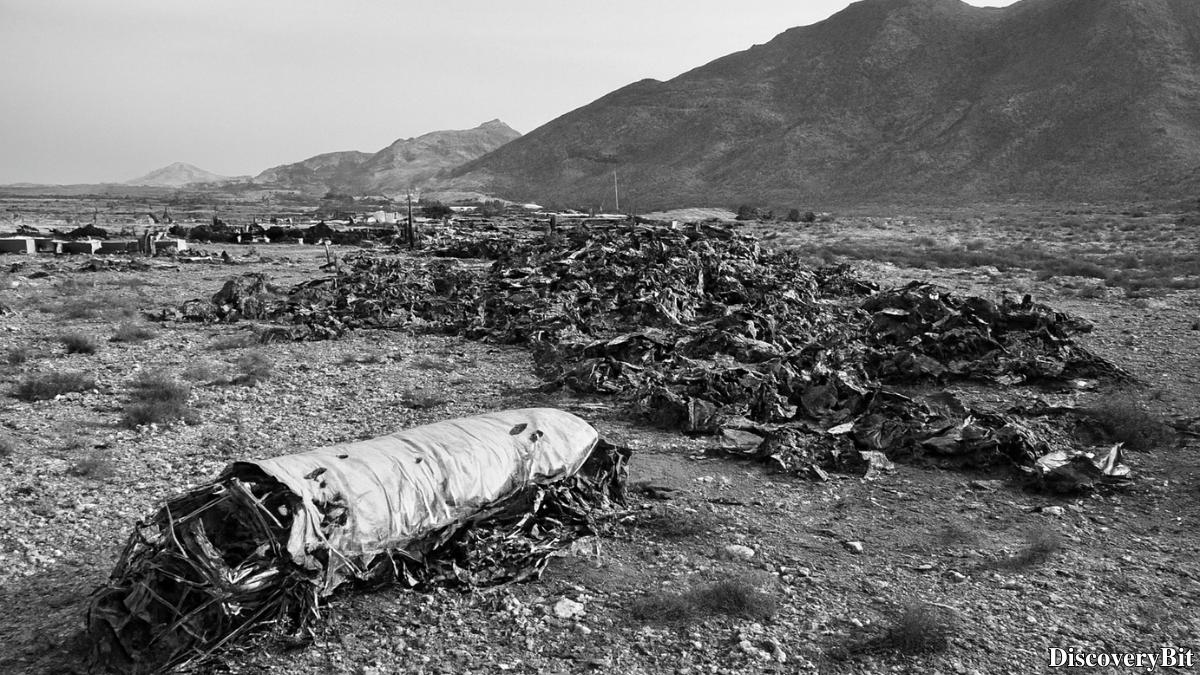
In 1966, a U.S. B-52 bomber collided mid-air with a refueling plane, dropping four hydrogen bombs near Palomares, Spain. Though no nuclear detonation occurred, two bombs ruptured, scattering plutonium across the countryside. Cleanup involved removing contaminated soil and shipping it to the U.S. Decades later, residual radiation remains, and Spain continues to negotiate further remediation. Palomares is a reminder of Cold War risks and the lingering consequences of military mishaps involving nuclear weapons.
13) Church Rock Uranium Mill Spill, USA
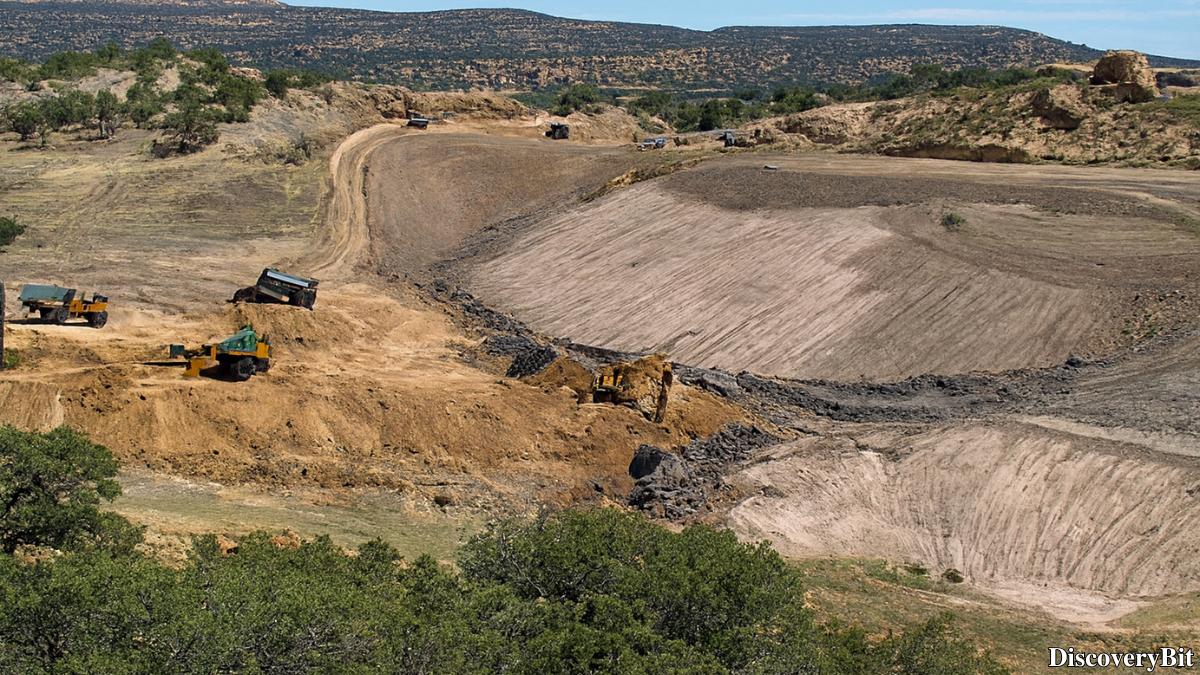
On July 16, 1979, a dam at the United Nuclear Corporation’s uranium mill near Church Rock, New Mexico, collapsed, releasing 94 million gallons of radioactive wastewater and 1,100 tons of mill tailings into the Puerco River. The spill exposed Navajo communities to radiation levels exceeding those of the Three Mile Island accident, yet received little national attention. Contaminated water flowed for miles, affecting livestock, crops, and drinking sources. Cleanup was minimal, and long-term health effects persist. The event highlights environmental injustice, as Indigenous populations bore the brunt of industrial negligence. Church Rock remains a stark reminder of the hidden costs of uranium mining and the systemic neglect of marginalized communities in nuclear policy.
14) Bayo Canyon, New Mexico, USA
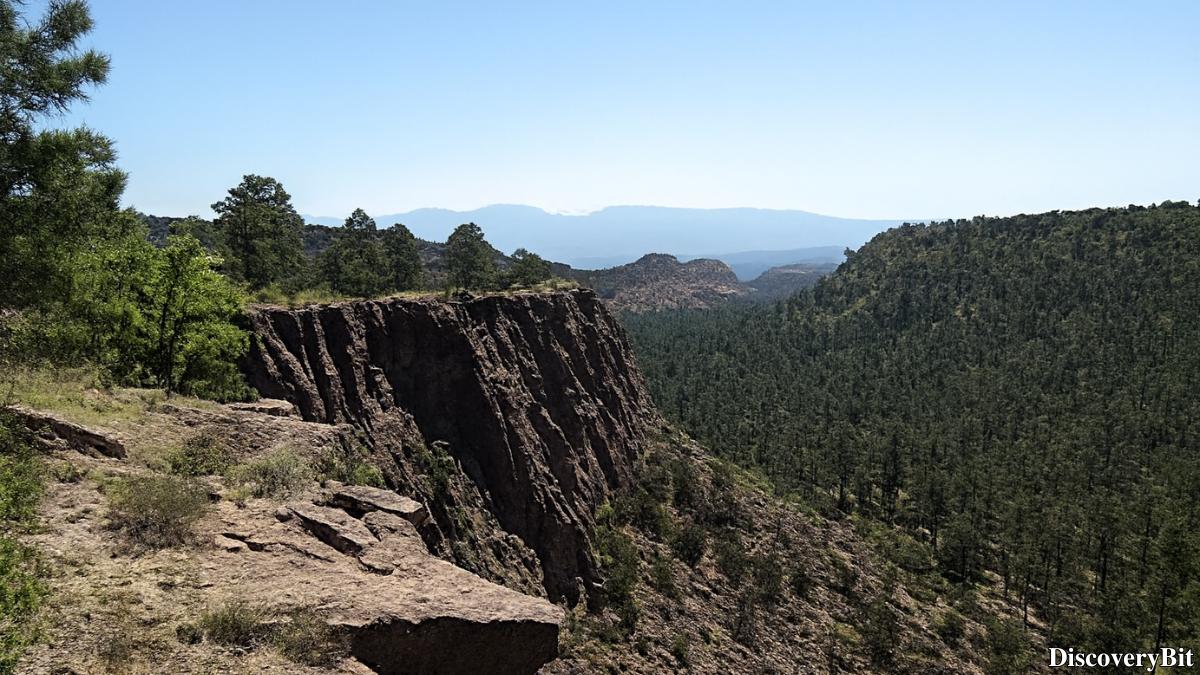
Bayo Canyon was used during the Manhattan Project for plutonium implosion testing, and it now remains contaminated with radioactive isotopes. Though the site, a most radioactive place on earth, was decommissioned, residual radiation in soil and groundwater persists. Cleanup efforts have included fencing and monitoring, but full remediation is incomplete. The canyon’s proximity to Los Alamos National Laboratory makes it a symbol of early nuclear experimentation and its environmental legacy.
15) Kola Peninsula, Russia
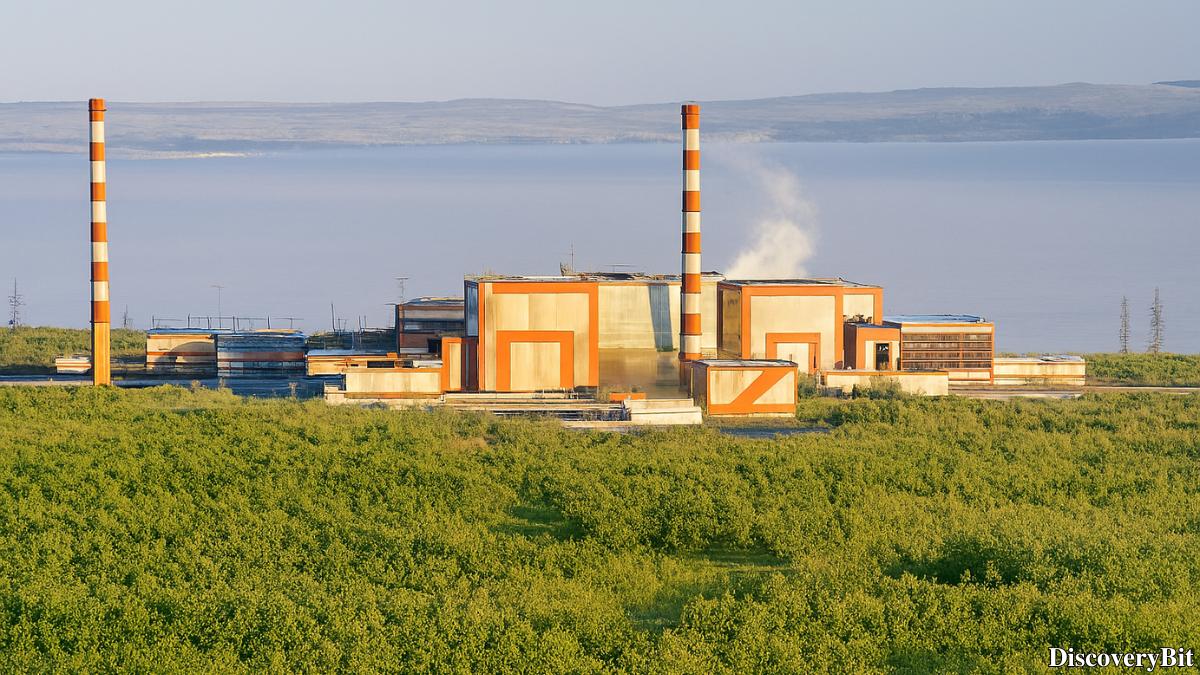
The Kola Peninsula hosts several nuclear facilities and was a dumping ground for Soviet-era radioactive waste, including submarine reactors. The Barents Sea nearby contains sunken nuclear submarines and spent fuel. Radiation levels in some areas exceed safety thresholds. Russia has conducted limited cleanup, but many sites remain inaccessible, and are still some of the most radioactive places on earth. The region’s harsh climate and remote geography hinder remediation. Kola is a stark example of Cold War secrecy and environmental neglect in Arctic zones.
16) Rocky Flats Plant, Colorado, USA
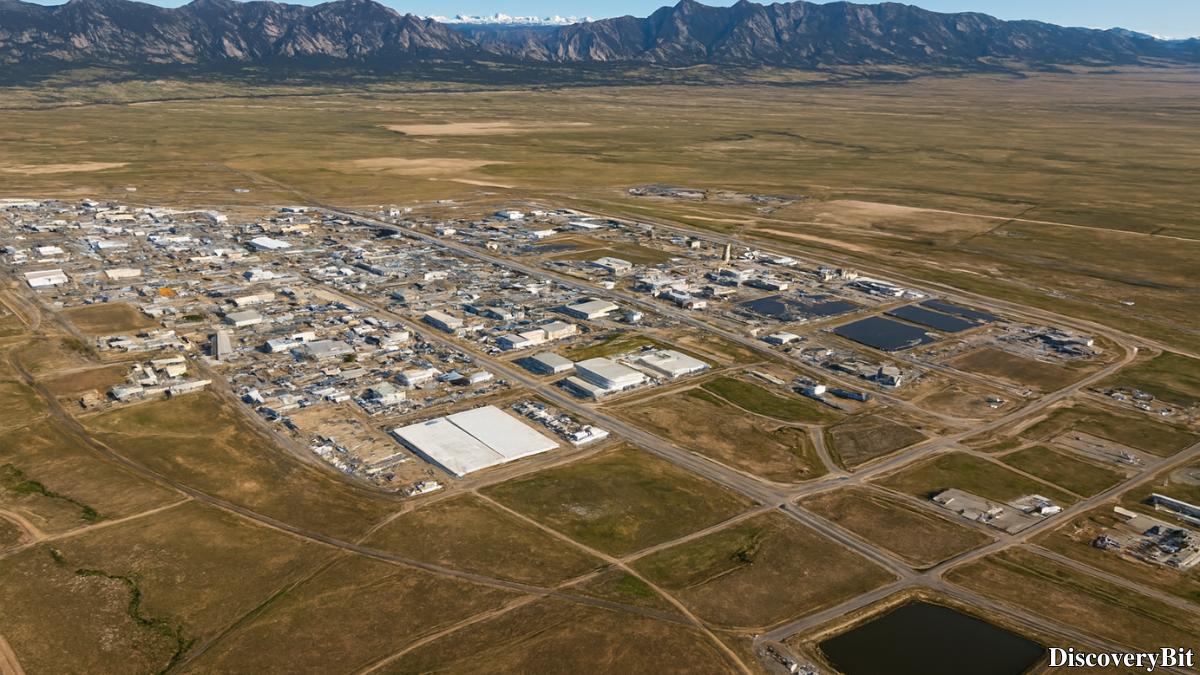
The Rocky Flats Plant near Denver was a major U.S. facility for manufacturing plutonium triggers for nuclear weapons from 1952 to 1989. Fires, leaks, and improper waste disposal led to widespread contamination of soil and groundwater with plutonium and other radioactive isotopes. Despite a $7 billion cleanup, concerns remain about residual radiation, especially in the surrounding buffer zone now designated as a wildlife refuge. Activists and scientists have warned that buried plutonium particles could resurface due to erosion or construction. The site’s legacy includes health issues among workers and nearby residents. Rocky Flats exemplifies the hidden dangers of Cold War-era weapons production and the long-term environmental consequences of plutonium handling.
Tags: Most radioactive place on earth what is the most radioactive place on earth


