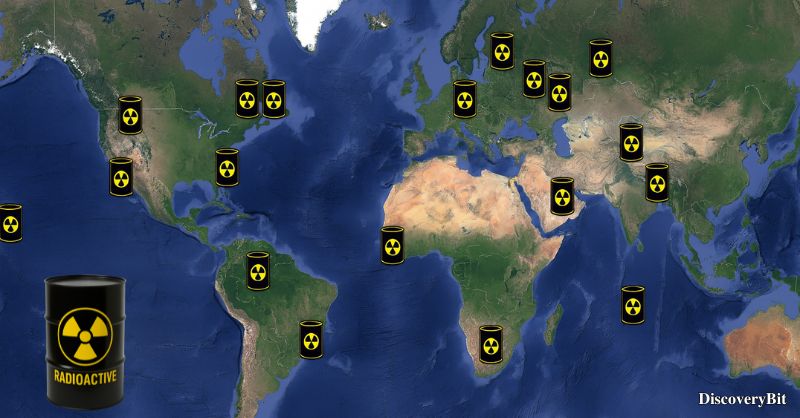
What qualifies as the most radioactive place on Earth? From nuclear disaster zones to natural radiation hotspots, these locations represent the extremes of human error, military ambition, and geological anomaly.
Some, like Chernobyl and Fukushima, are infamous for catastrophic reactor failures. Others, such as Lake Karachay or the Semipalatinsk Test Site, were shrouded in secrecy for decades, leaking radiation into soil, water, and air. There are also places like Ramsar, Iran, and Karunagappalli, India, where natural background radiation rivals man-made contamination.
Whether caused by weapons testing, industrial accidents, or uranium-rich terrain, each site poses unique risks to human health and the environment.
This post explores the top 25 world’s most dangerously irradiated zones, the causes behind their contamination, and the ongoing efforts, or lack thereof, to contain what they have left behind for the people who live nearby.
Note: Some of the images used in this post may have been digitally altered for illustrative purposes and may not depict actual conditions or events.
1) Chernobyl, Ukraine
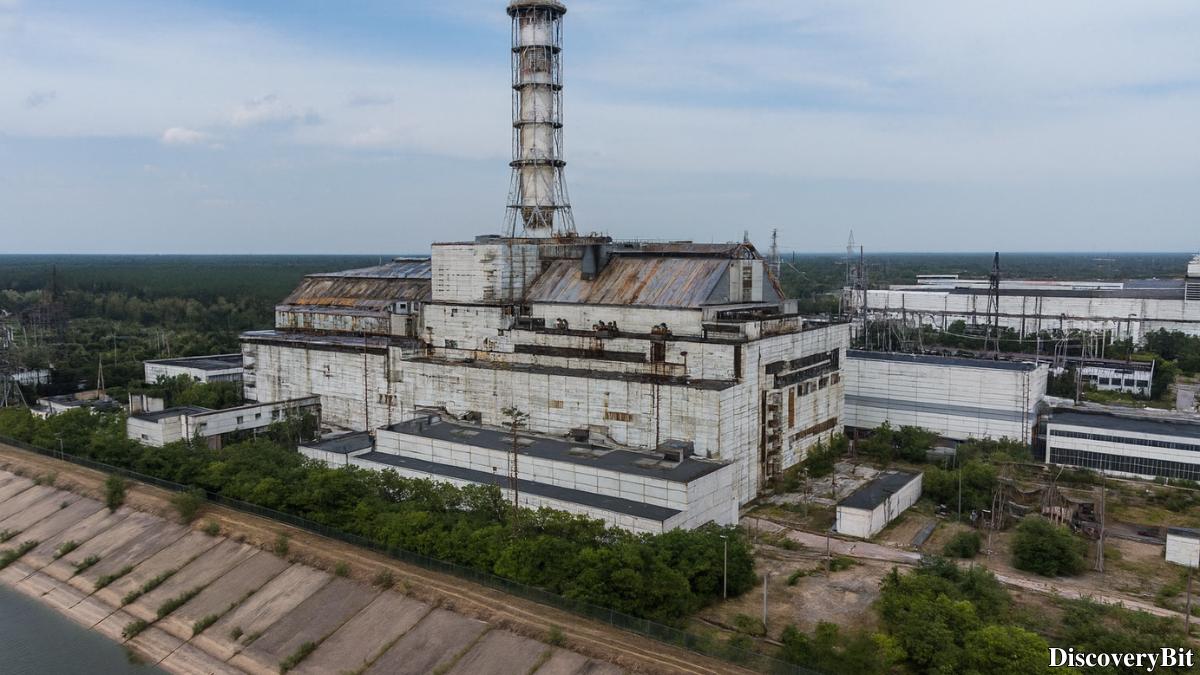
The 1986 Chernobyl disaster remains the most infamous nuclear accident in history. A reactor at the Chernobyl Nuclear Power Plant exploded during a safety test, releasing radioactive isotopes like iodine-131 and cesium-137 across Europe. Over 100,000 people were evacuated, and the nearby city of Pripyat became a ghost town. The area remains highly radioactive, especially within the 30-kilometer exclusion zone. A massive steel sarcophagus, completed in 2016, now encases the damaged reactor to prevent further leakage. Ironically, wildlife has flourished in the absence of humans, though mutations and ecological shifts persist. Wind and rain continue to spread radioactive particles, complicating cleanup. Chernobyl is now a grim symbol of nuclear risk and a cautionary tale for energy policy worldwide.
2) Fukushima Daiichi, Japan
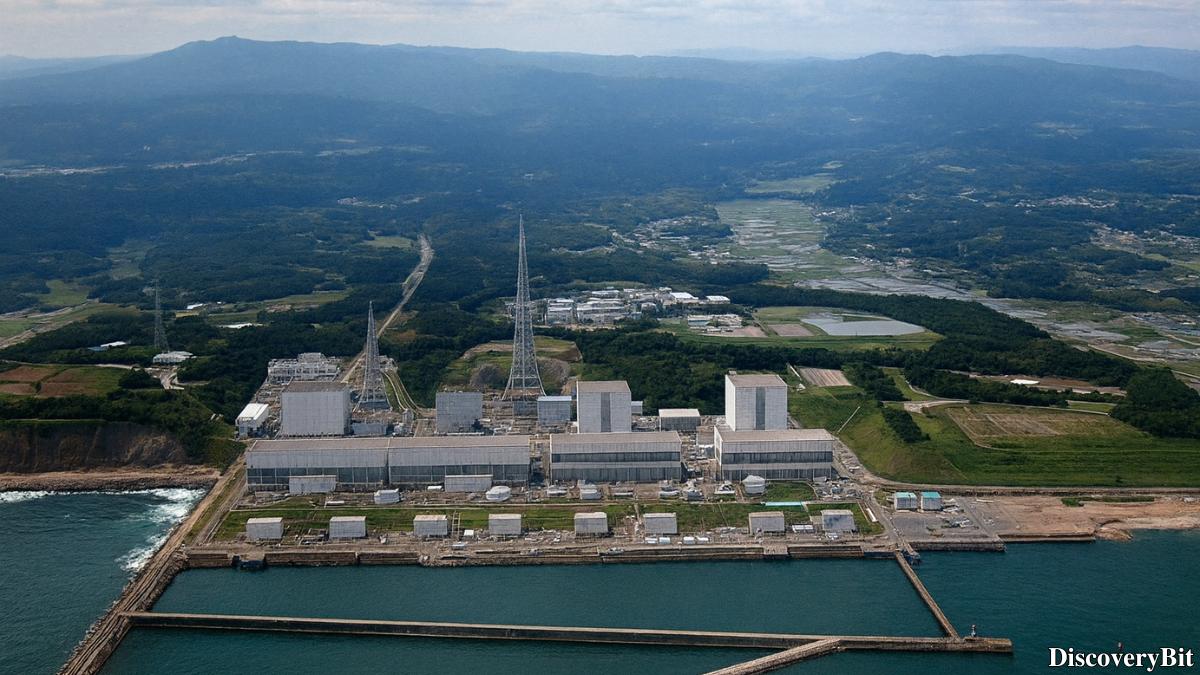
In March 2011, a 9.0-magnitude earthquake triggered a tsunami that overwhelmed the Fukushima Daiichi Nuclear Power Plant. The resulting core meltdowns in three reactors released radioactive material into the air and Pacific Ocean. Over 150,000 residents were displaced, and the cleanup has cost Japan hundreds of billions of dollars. Contaminated water storage remains a major issue, with plans to release treated water into the ocean sparking international concern. The disaster reignited global debates about nuclear safety and energy policy. Despite decontamination efforts, some areas remain uninhabitable. The mountainous terrain and rainfall help propagate radioactive runoff, complicating remediation. Fukushima stands as a modern reminder of how natural disasters can cascade into technological catastrophes.
3) Mayak, Russia
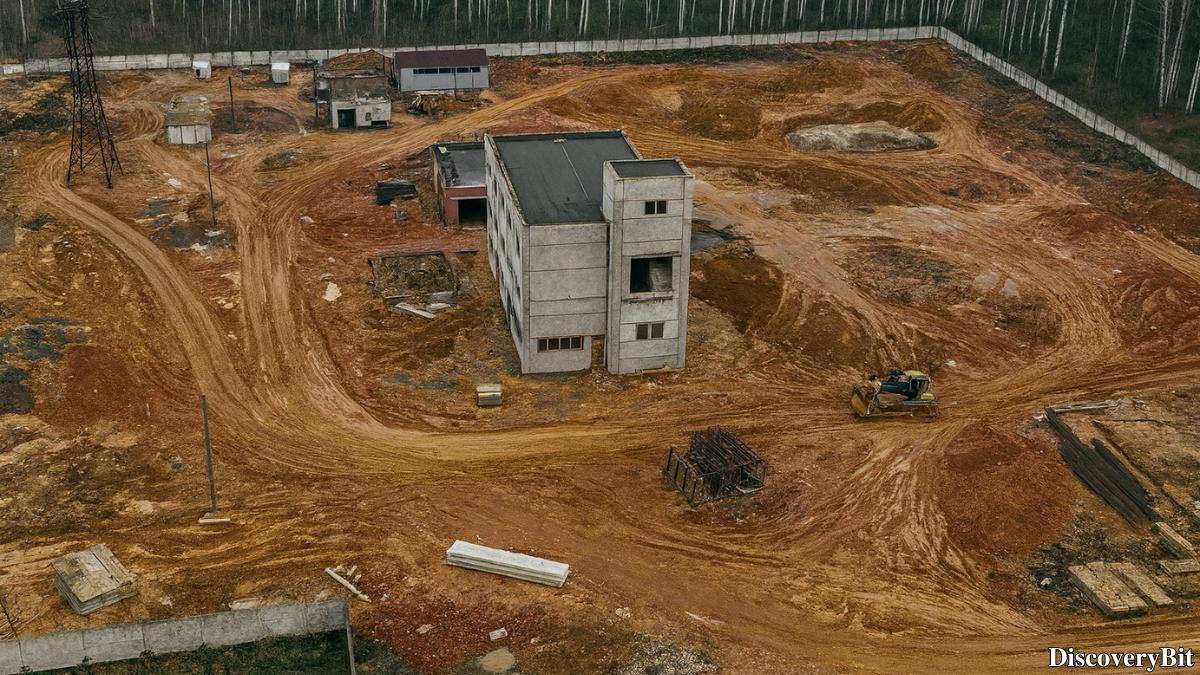
The Mayak Production Association in Russia was a secretive Soviet nuclear facility responsible for one of the world’s worst nuclear accidents, the 1957 Kyshtym disaster. A cooling system failure in a waste storage tank caused a massive explosion, releasing radioactive material over 20,000 square kilometers. The Soviet government kept the incident secret for decades, and thousands of residents were unknowingly exposed. The Techa River, used for waste disposal, remains heavily contaminated. Cleanup has been partial, with some areas still off-limits. Wind and water continue to spread radioactive particles. Mayak is a stark example of Cold War-era secrecy and environmental negligence, and it remains one of the most contaminated places on Earth, with long-term health effects still being studied.
4) Hanford Site, USA
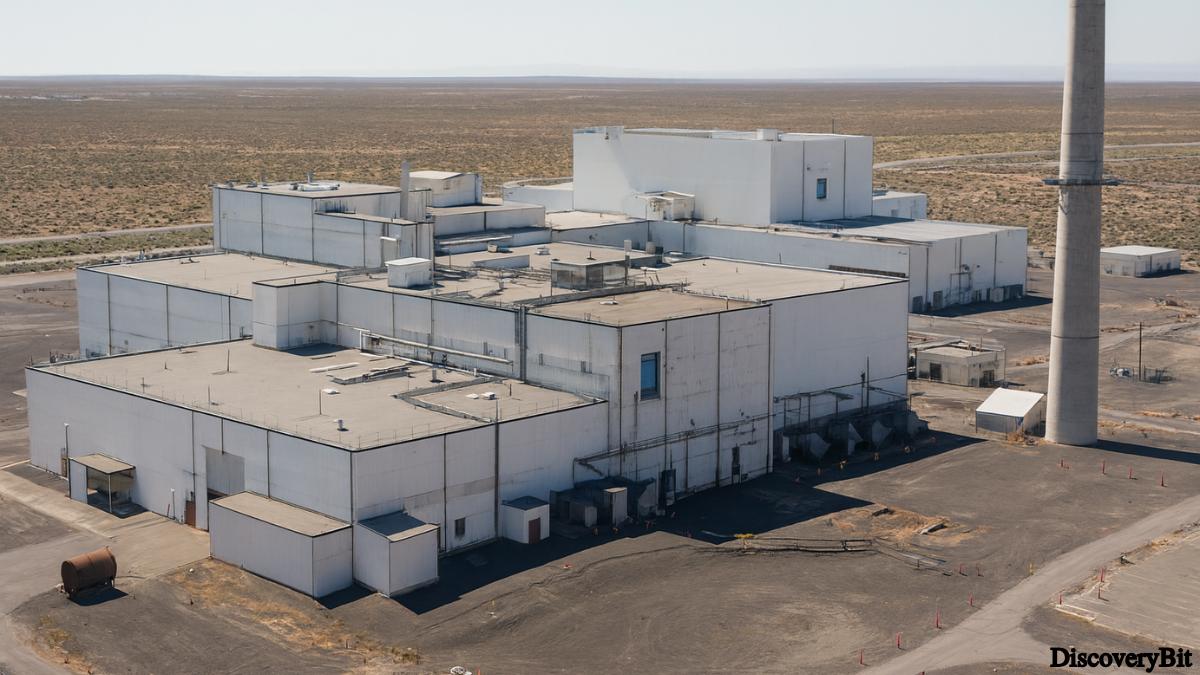
Located in Washington State, the Hanford Site was a key part of the U.S. Manhattan Project, producing plutonium for nuclear weapons, including the bomb dropped on Nagasaki. Decades of plutonium production left behind 56 million gallons of radioactive waste stored in aging underground tanks. Leaks have contaminated the Columbia River and surrounding groundwater. Hanford is now the focus of the largest environmental cleanup in U.S. history, costing over $100 billion. Efforts include vitrifying waste into glass for safer storage and removing contaminated soil. The site’s vast scale and complexity make remediation a generational challenge. Hanford exemplifies the environmental legacy of nuclear weapons development and the long-term costs of managing radioactive waste.
5) Semipalatinsk Test Site, Kazakhstan
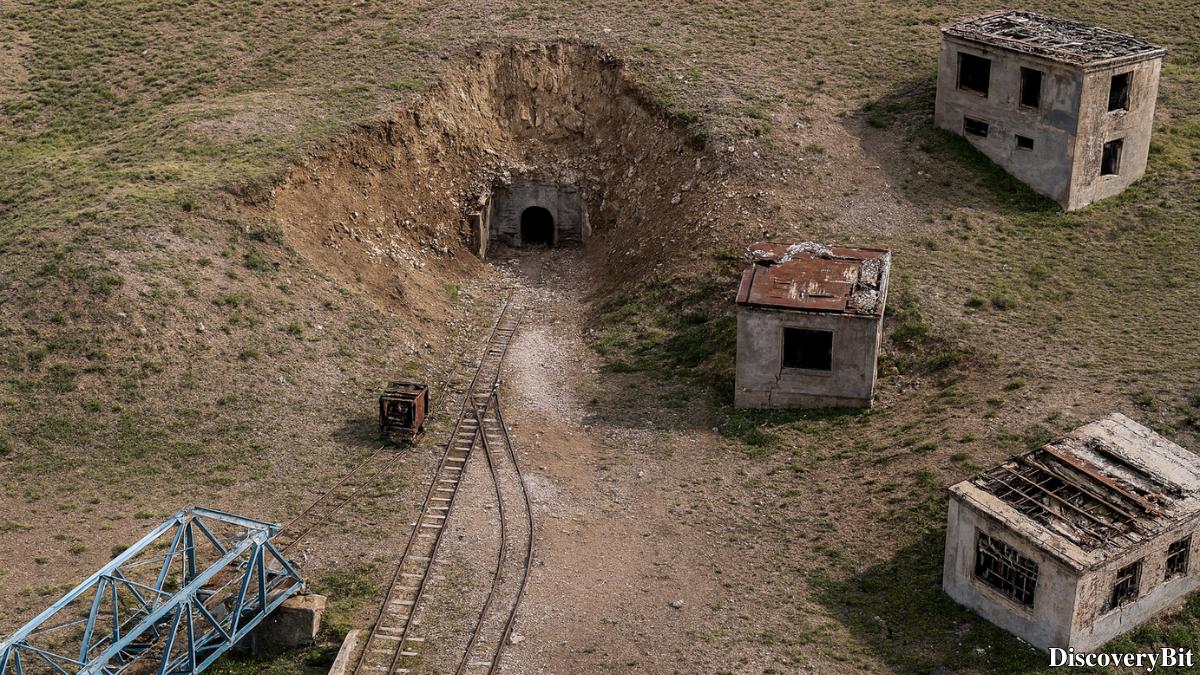
Also known as “The Polygon,” Semipalatinsk Test Site was the primary nuclear testing site for the Soviet Union, hosting 456 nuclear tests between 1949 and 1989. The fallout affected over 1.5 million people, many of whom suffer from cancer, birth defects, and psychological trauma. The site, one of the most radioactive places on earth, spans 18,000 square kilometers and remains partially radioactive. Some areas have been fenced off, but others are accessible, posing ongoing risks. Wind and water erosion continue to spread contamination. International aid has supported some remediation and health monitoring, but many locals still live in affected zones. Semipalatinsk is a haunting legacy of Cold War militarism, where geopolitical ambition left a permanent scar on human health and the environment.
6) Bikini Atoll, Marshall Islands
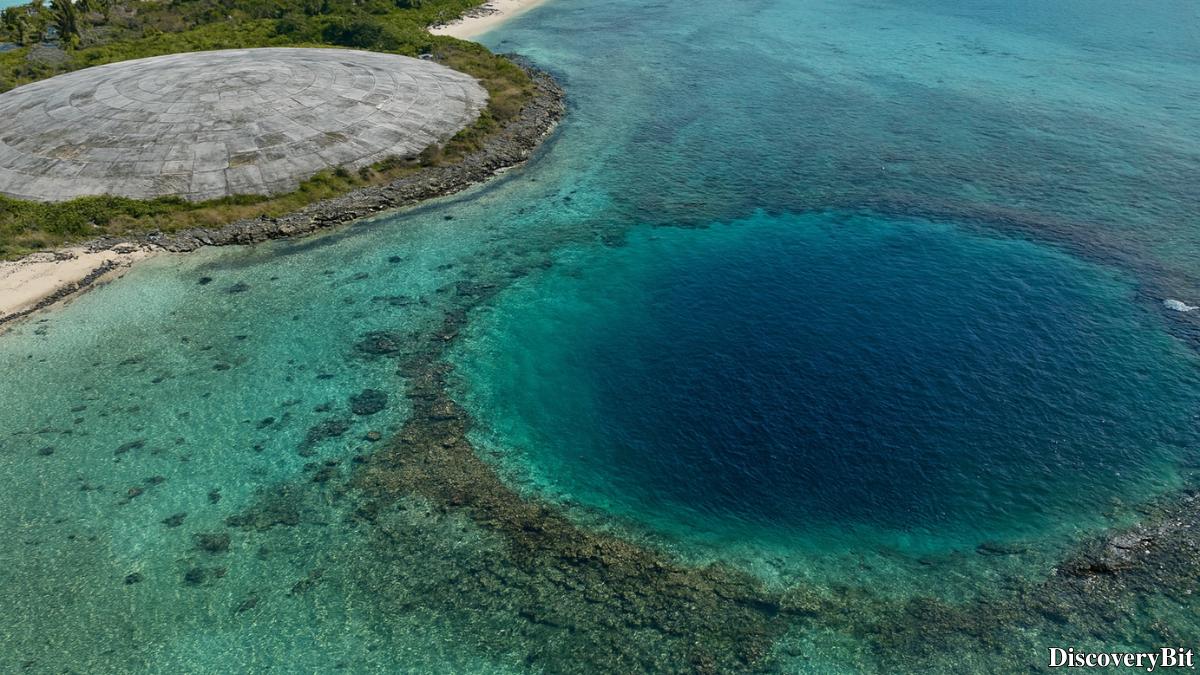
Between 1946 and 1958, the U.S. conducted 23 nuclear tests at Bikini Atoll, including the massive Castle Bravo detonation. The tests vaporized islands, displaced native populations, and left the area dangerously radioactive. Despite cleanup efforts, residual radiation in soil and marine life makes resettlement unsafe. Cesium-137 levels remain high, and coconuts and fish are still contaminated. The lagoon glows with eerie beauty but hides a toxic legacy. The U.S. has paid compensation, but many Bikinians remain in exile. Coral regrowth has surprised scientists, yet radiation persists. Bikini Atoll is a haunting reminder of Cold War militarism and the environmental cost of nuclear ambition.
Tags: Most radioactive place on earth what is the most radioactive place on earth