
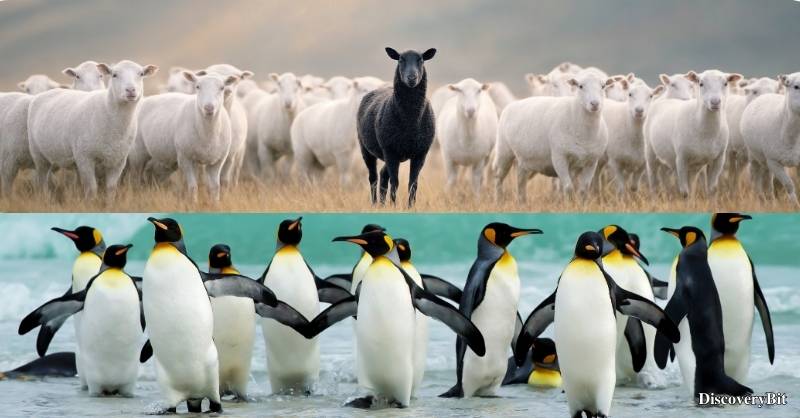
People have always used special names of the group of animals to reflect animal behavior, like a “pride of lions.” This guide, supported with visuals for easier understanding, is designed to make learning both clear and memorable.
We explain the meaning behind key collective nouns, explore their fascinating history (for example, why a group of crows is called a “murder”), and share fun facts that can be turned into quizzes or infographics for deeper engagement.
From a kaleidoscope of butterflies to a dazzle of zebras, these vivid expressions highlight the connection between language, culture, and nature, making the study of animal group names both educational and unforgettable.
1) Alligators

A congregation of alligators gathers along riverbanks. This term reflects their solemn assembly. This fact, along with other names of the group of animals, could be used to create a quiz about animal group names for students.
2) Antelope
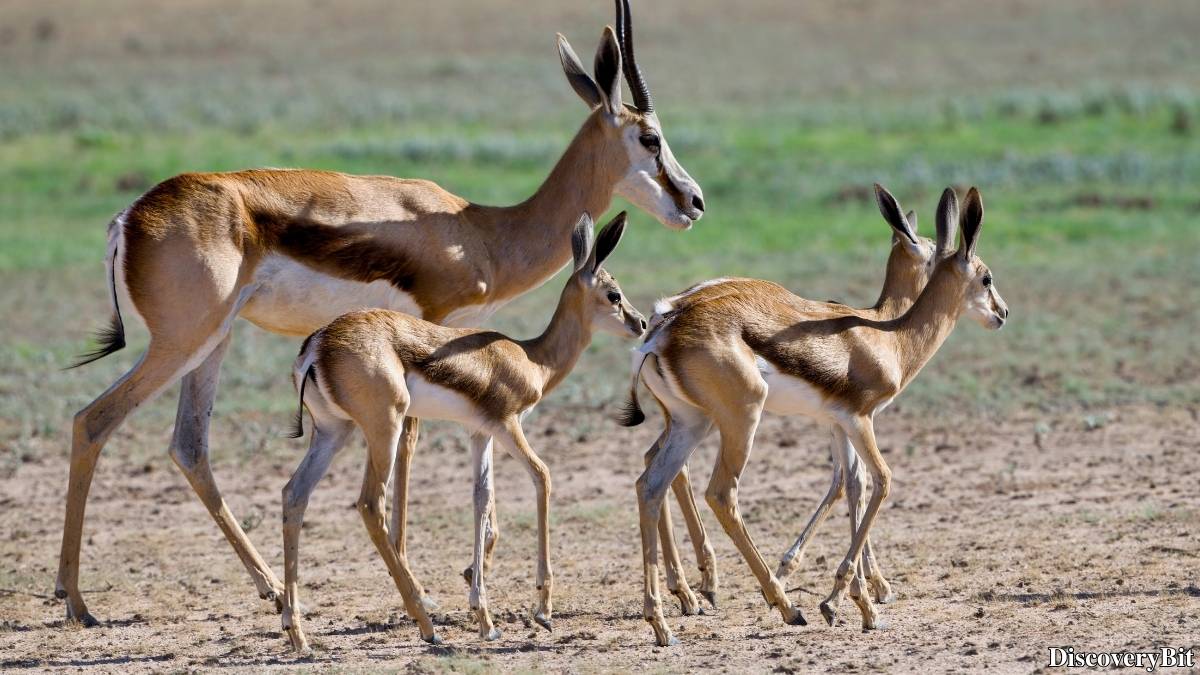
A group is a herd, rooted in Old English. Herds provide safety in numbers across open plains. This entry helps summarize the cultural symbolism behind unusual collective nouns, as ‘herd’ emphasizes unity and migration, a common theme.
3) Ants
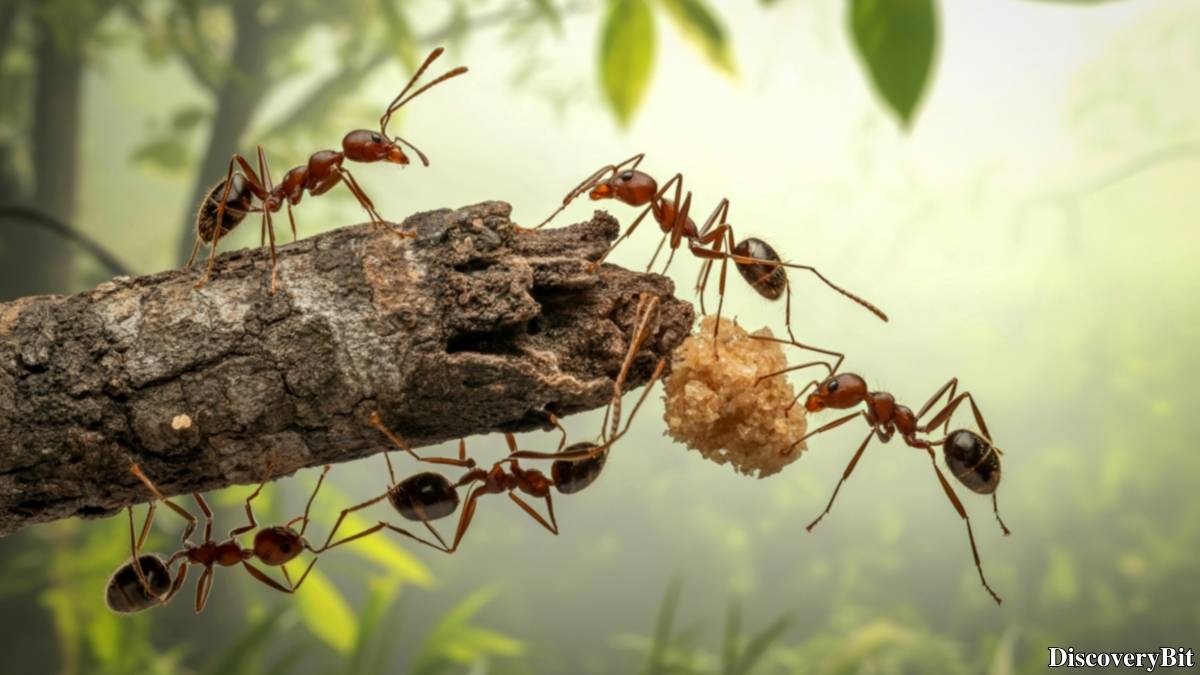
Ants form a colony or an army. Both terms highlight ants as tireless builders and warriors, functioning like a miniature civilization. This detail would be perfect to create flashcards with animal pictures and their group names.
4) Apes
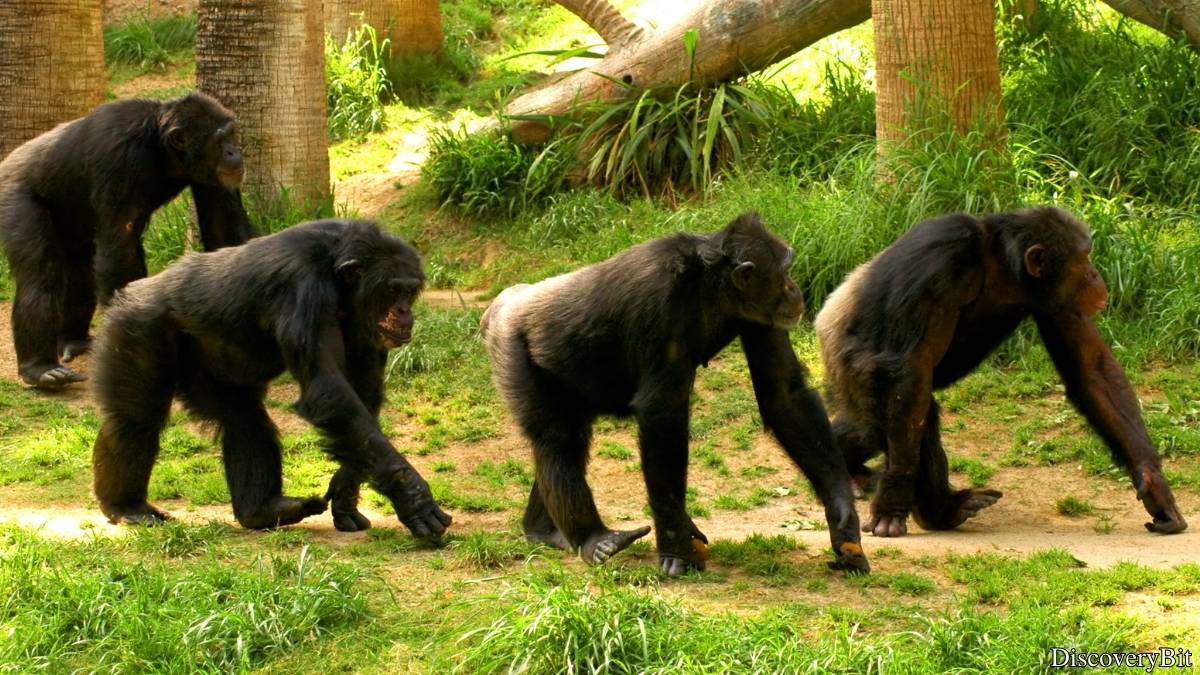
A group is a shrewdness, a term meaning cunning. While scientists use troop, “shrewdness” highlights apes’ intelligence, tool use, and social strategy. This is a great example for a humorous article about the strangest names of the group of animals.
5) Armadillos
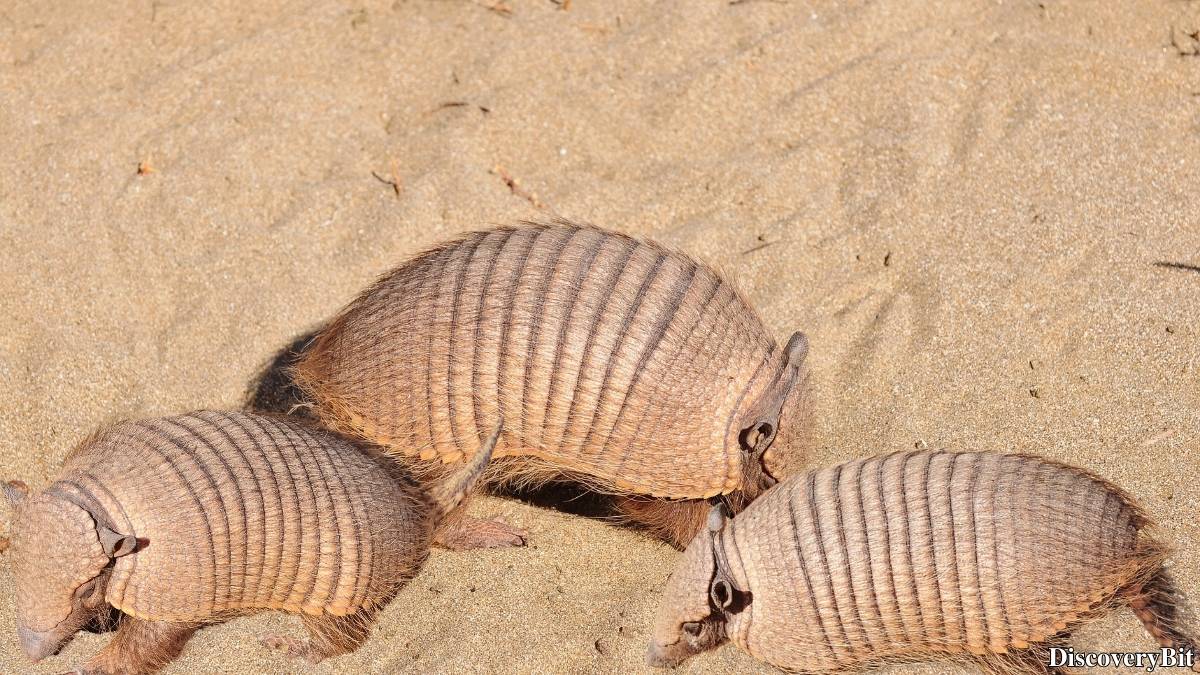
A group forms a roll, likely derived from their ability to curl into a protective ball. This highlights their defensive armor. This unique name could be included when generating riddles where the answer is the name of the group of animals.
6) Baboons
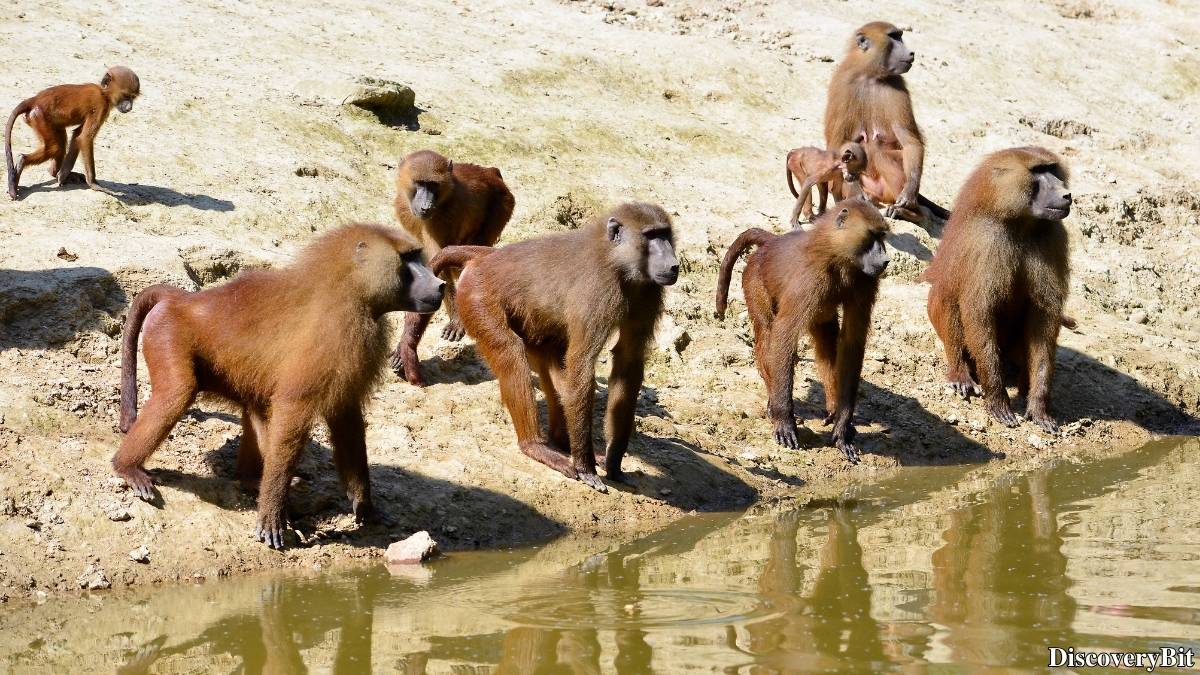
Baboons form a troop, a word borrowed from military organization. Troops are highly hierarchical, underscoring their disciplined social cohesion and noisy energy on the savannah. This can be used to build a trivia game with multiple-choice questions about collective nouns.
7) Badgers
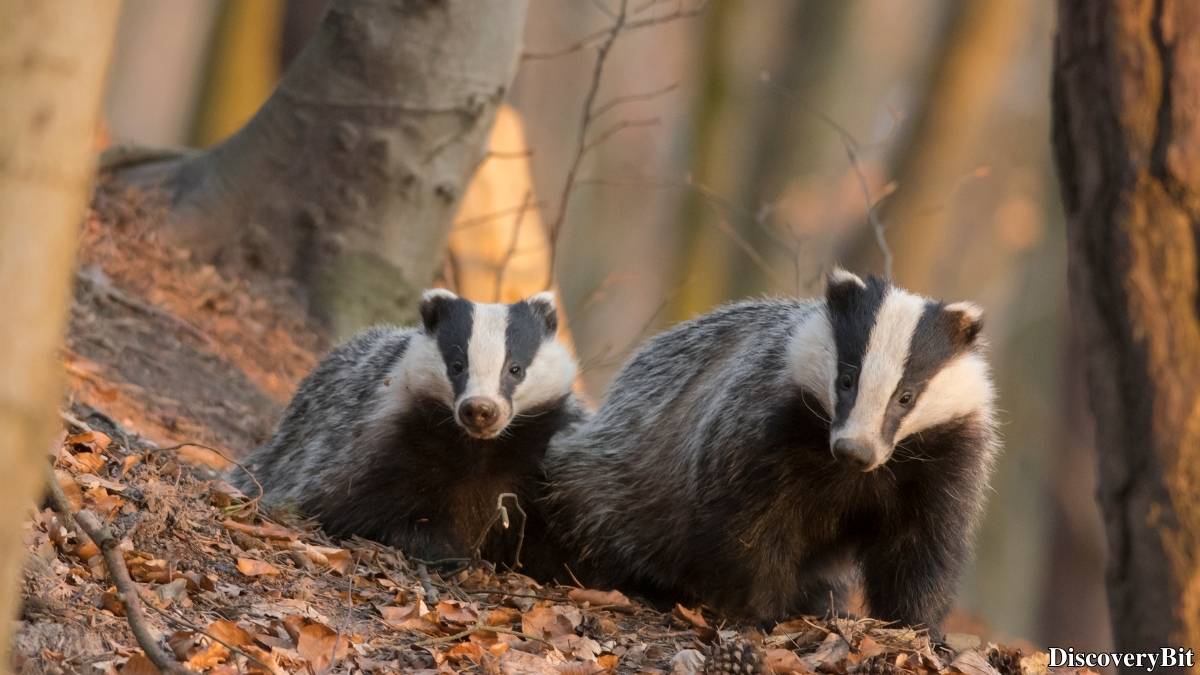
A group is a cete, a medieval term for “assembly” that evokes badgers gathering in their underground setts. This reflects the secretive, communal life of these nocturnal diggers, whose cooperation ensures survival.
8) Bass
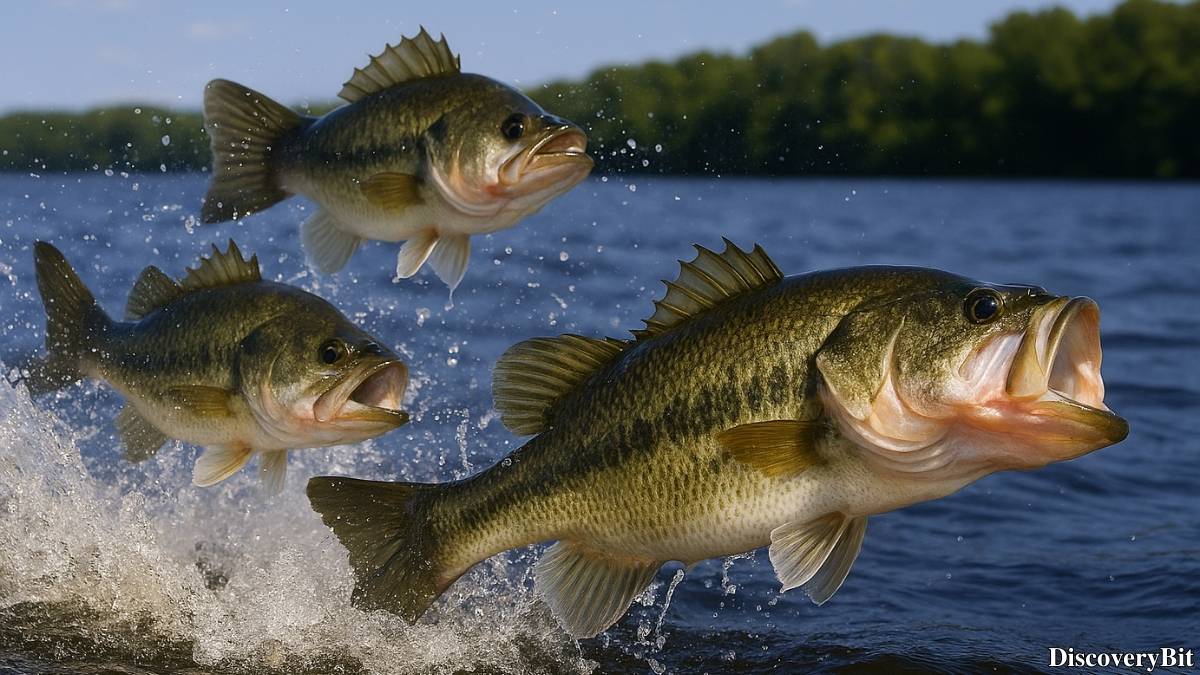
Bass form a shoal, from Old Norse meaning a shallow place. The collective movement of bass conveys their abundance and vulnerability. This fact, like many others, focuses on the name of the group of animals and its literal meaning.
9) Bats
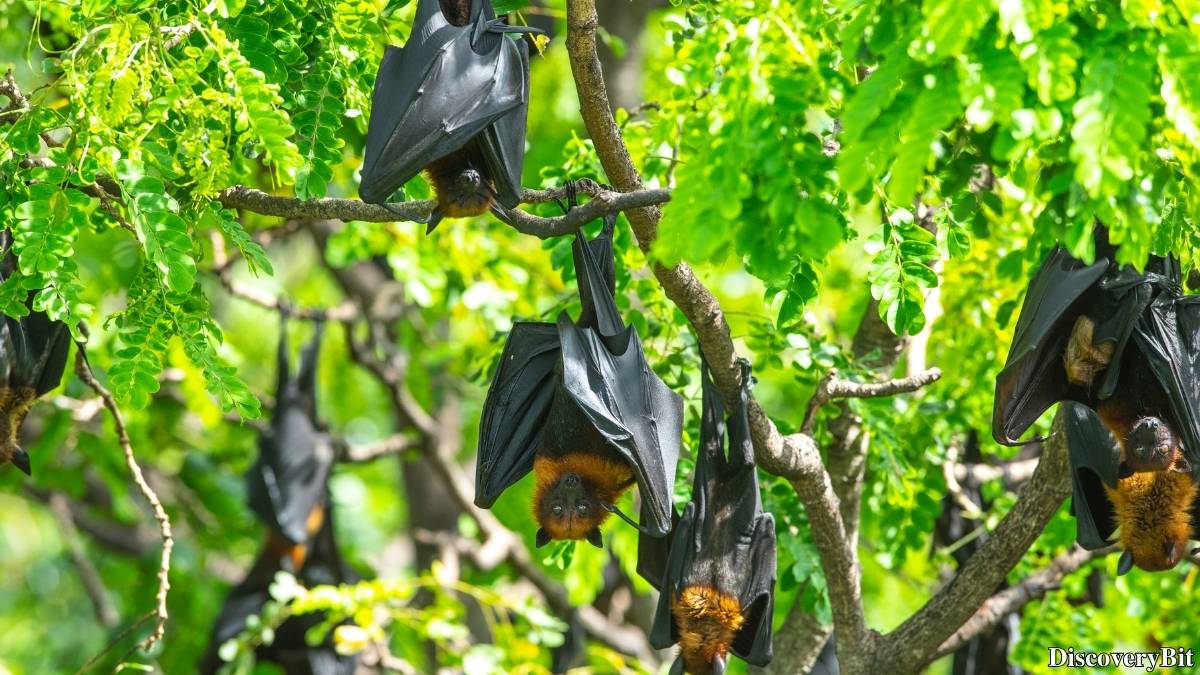
Bats form a colony, a cloud, or a poetic cauldron. The latter term ties them to medieval folklore, emphasizing their image as mysterious, nocturnal beings. This is a great example for the prompt to summarize the cultural symbolism behind unusual collective nouns.
10) Bears
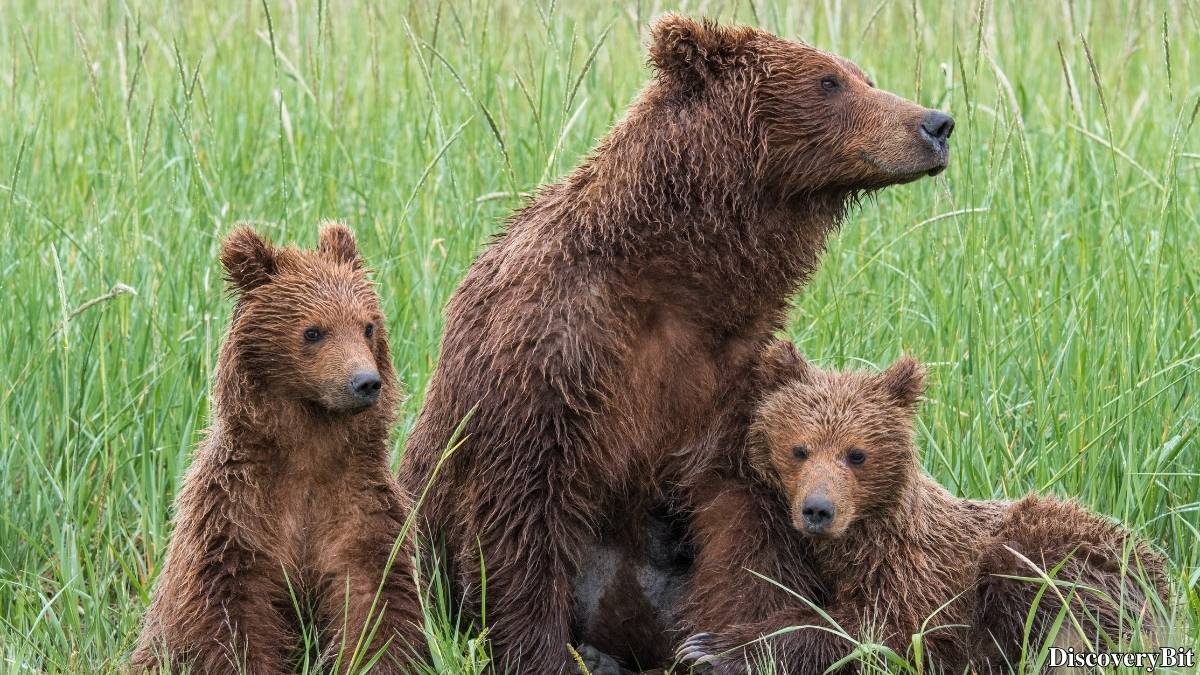
A group is called a sloth or a sleuth. Though solitary, cubs are gathered in a vulnerable litter. This information could be part of a crossword puzzle using collective nouns for animals, focusing on the ‘S’ names.
11) Beavers
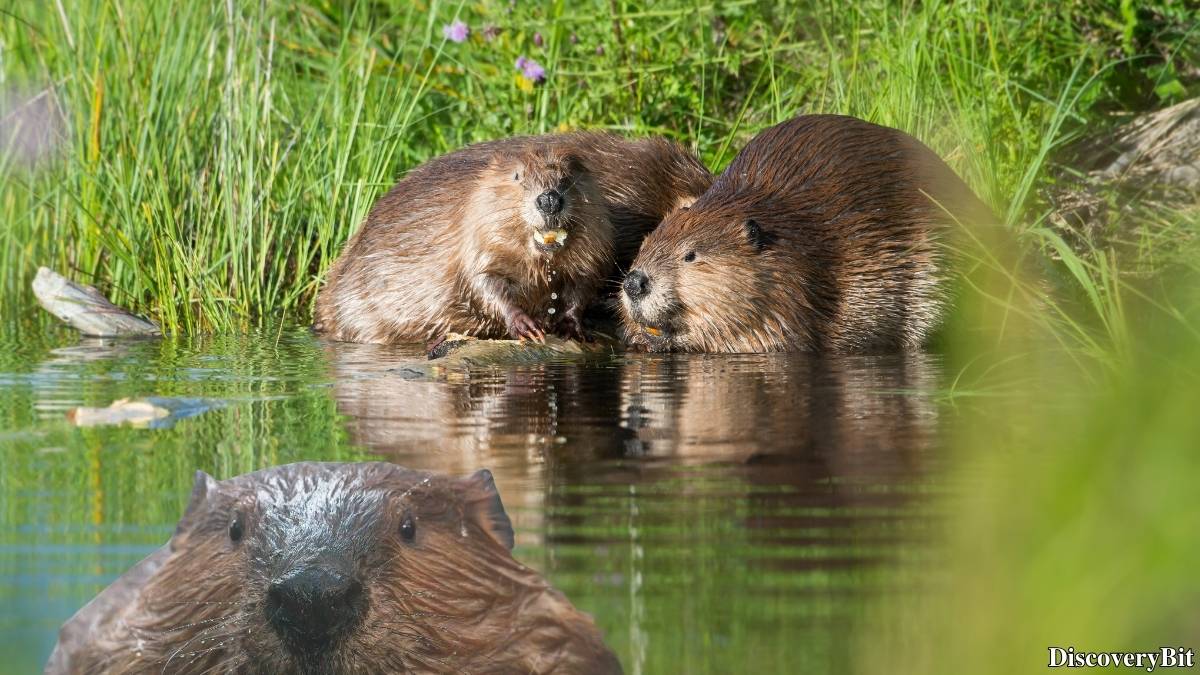
Beavers form a colony, a fitting term for these industrious architects. Colonies cooperatively build lodges and dams that reshape entire ecosystems, highlighting their engineering feats. This is a strong example of a name of the group of animals reflecting function.
12) Bees
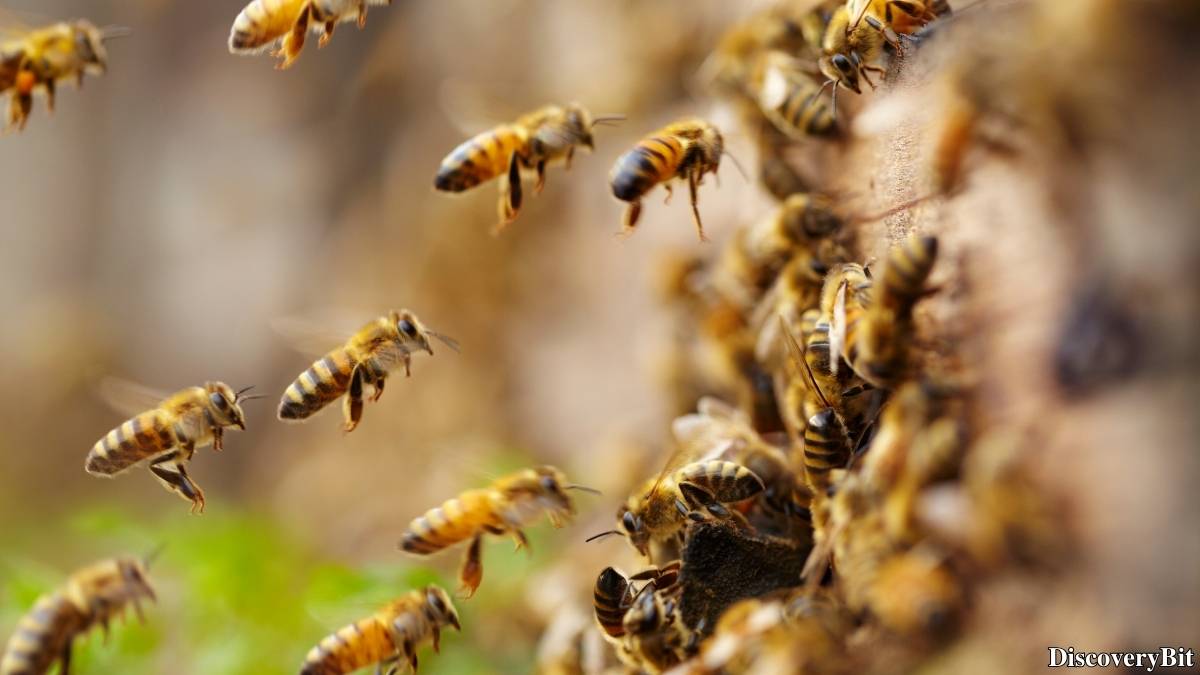
A group of bees is called a swarm, conveying both awe and fear. It reflects their collective flight, symbolizing fertility and industriousness. This entry, alongside the crows entry, is key to giving you the history of collective nouns like “murder of crows” or “parliament of owls”.
13) Boar
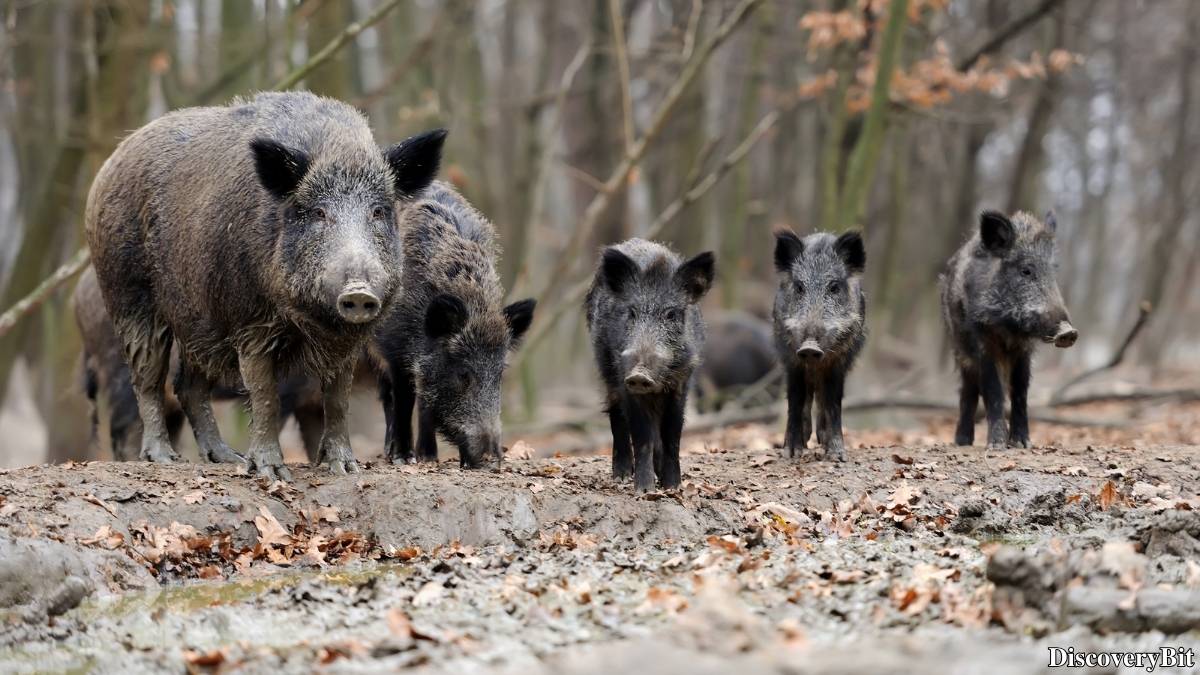
Boar gather in a sounder, typically a family group. The word captures their noisy, rooting behavior and emphasizes their strong, protective family bonds in forests and fields. This is another good entry for a humorous article about the strangest names of the group of animals.
14) Buffalo
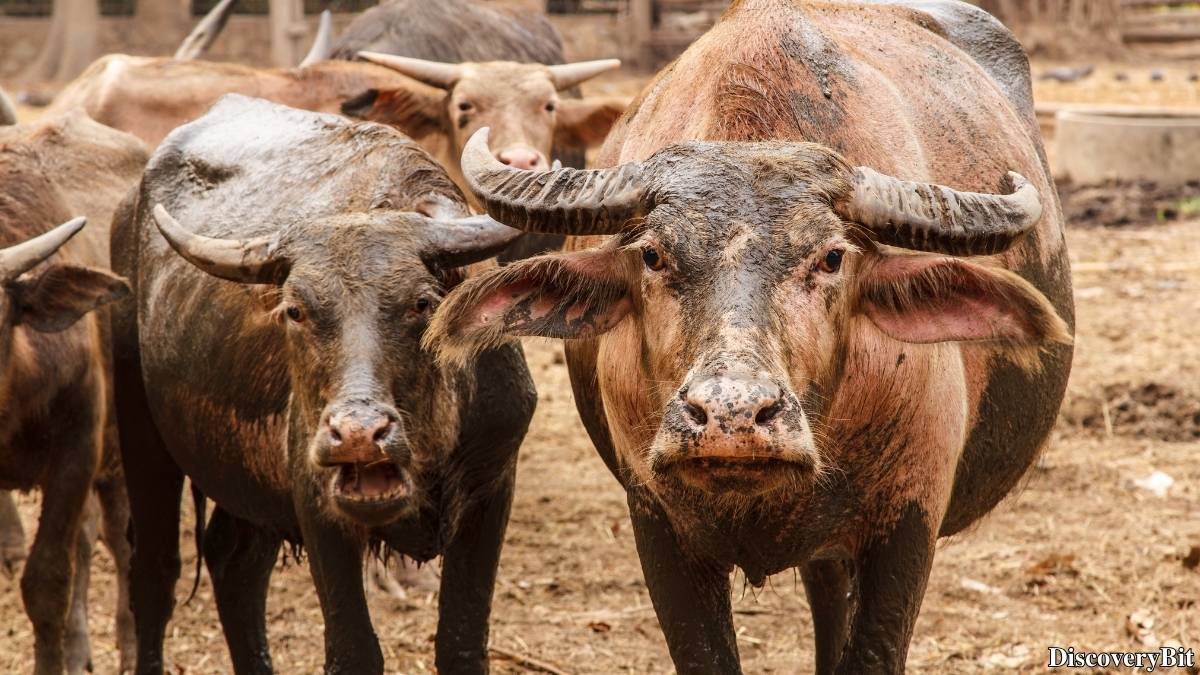
A group is a gang or an obstinacy, the latter highlighting their stubborn resilience. Both terms underscore the formidable raw power and collective strength of these herds, symbolizing endurance in the wild.
15) Butterflies
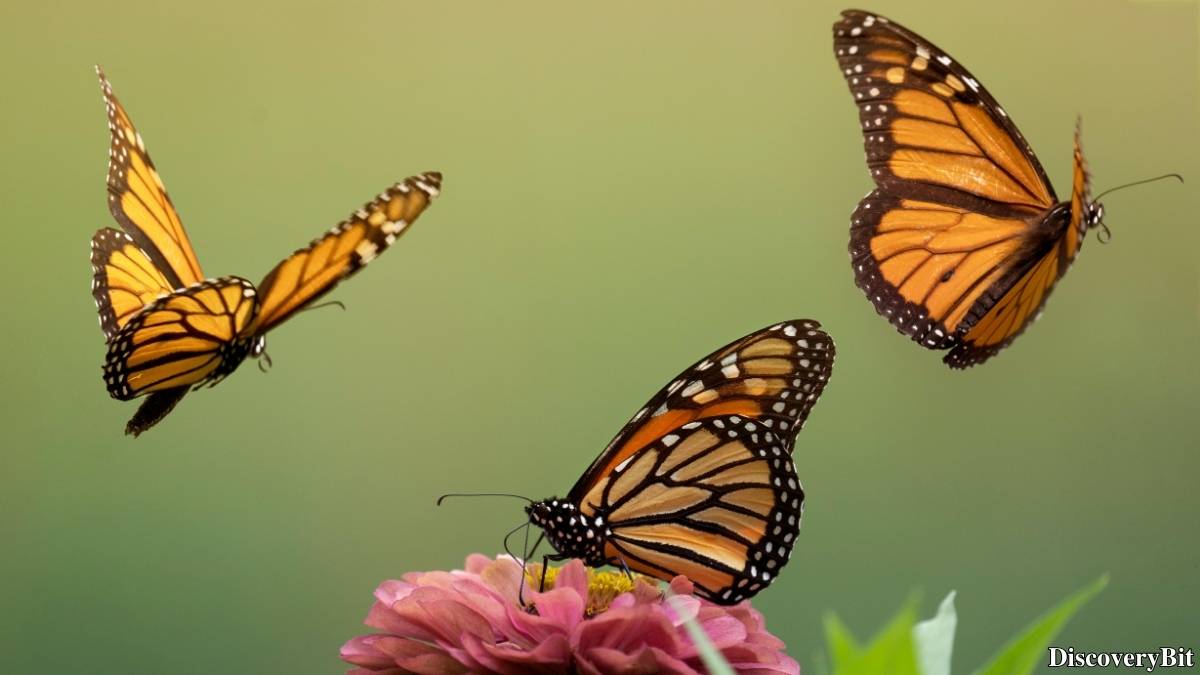
Butterflies form a kaleidoscope or flutter. “Kaleidoscope” reflects the dazzling colors they create. This is the perfect entry for the prompt to generate an image of a kaleidoscope of butterflies in a meadow.
16) Camels
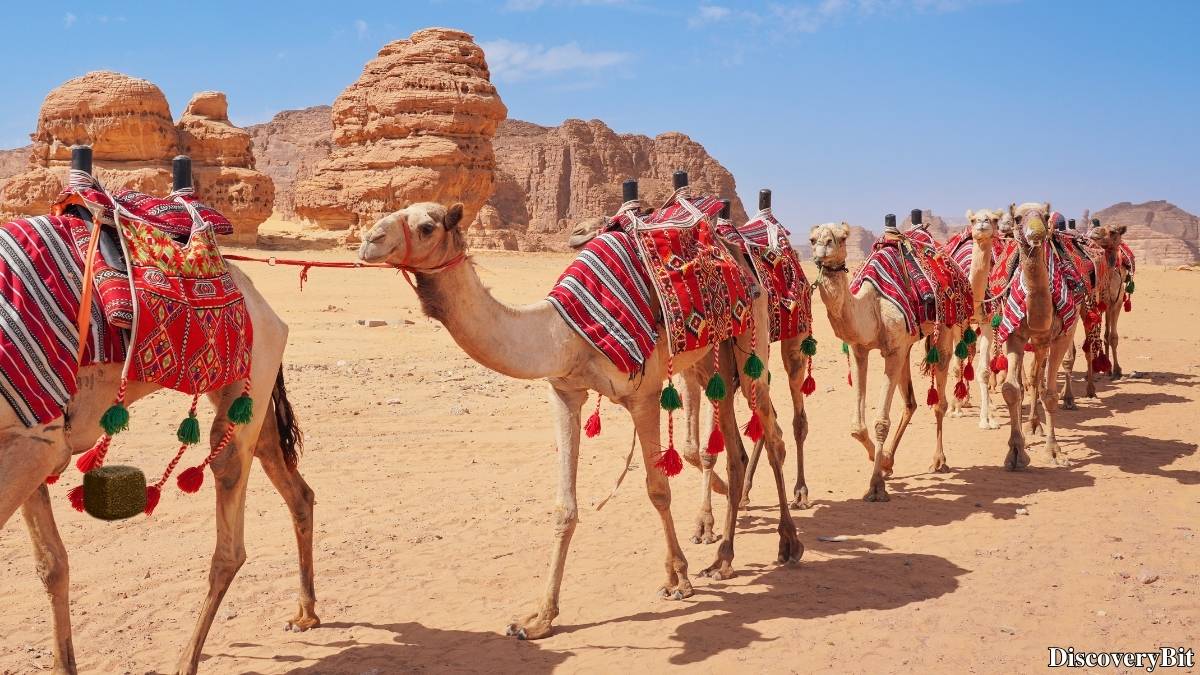
Camels form a caravan, a term steeped in desert history. Caravans evoke long journeys, reflecting camels’ role as “ships of the desert,” where their endurance and cooperation are essential. This is a classic name of the group of animals.
17) Caterpillars
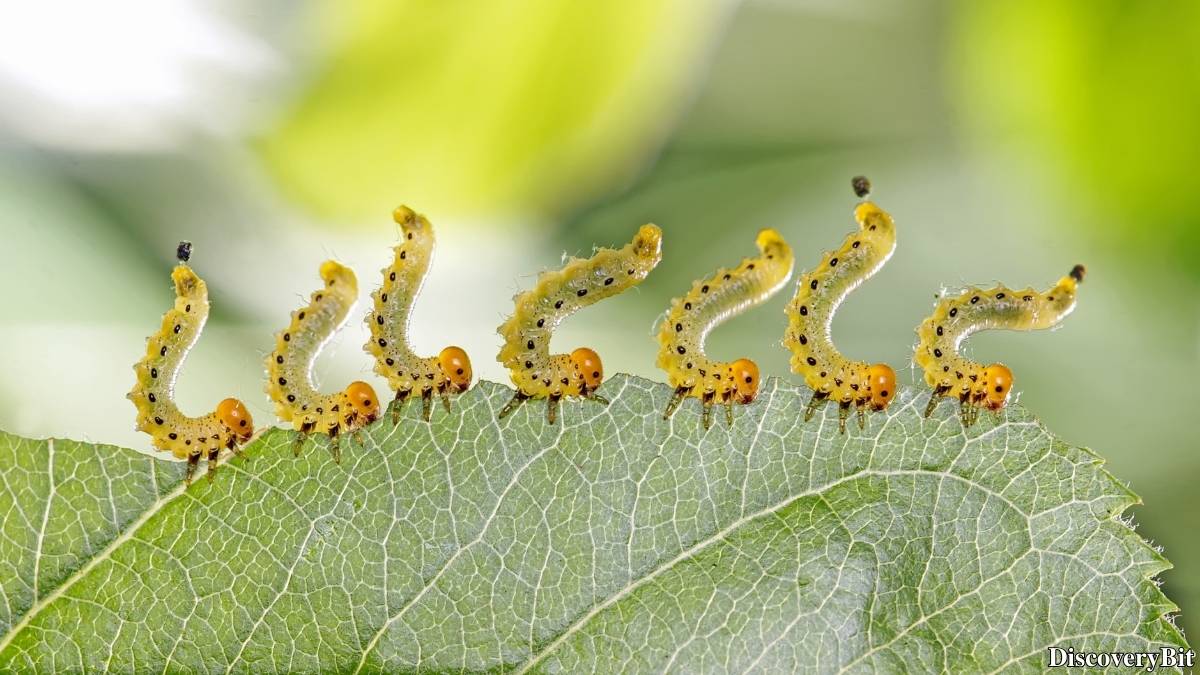
A group is an army, reflecting their relentless march. The imagery captures their collective transformation and their destructive feeding habits. This fact is great for the children’s book page prompt.
18) Cats
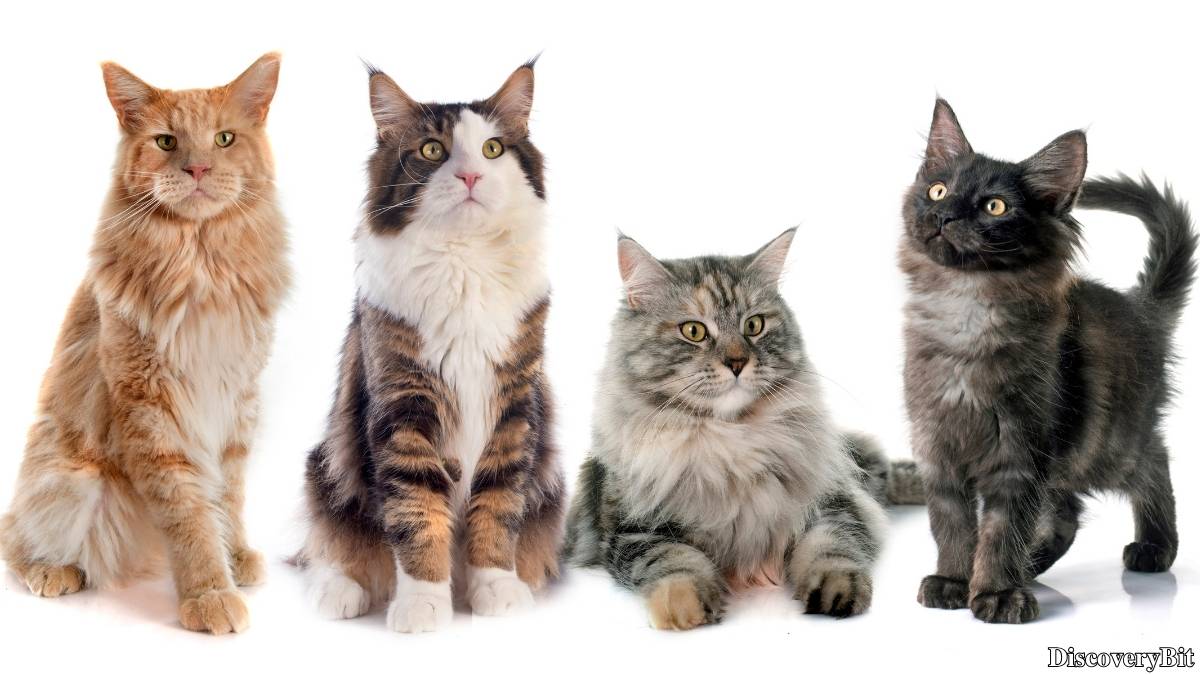
Domestic cats are a clowder or glaring. Wild cats are a destruction. Kittens form a litter or kindle (new life). This variety is excellent for a playful poster of collective nouns for classroom use.
19) Cattle
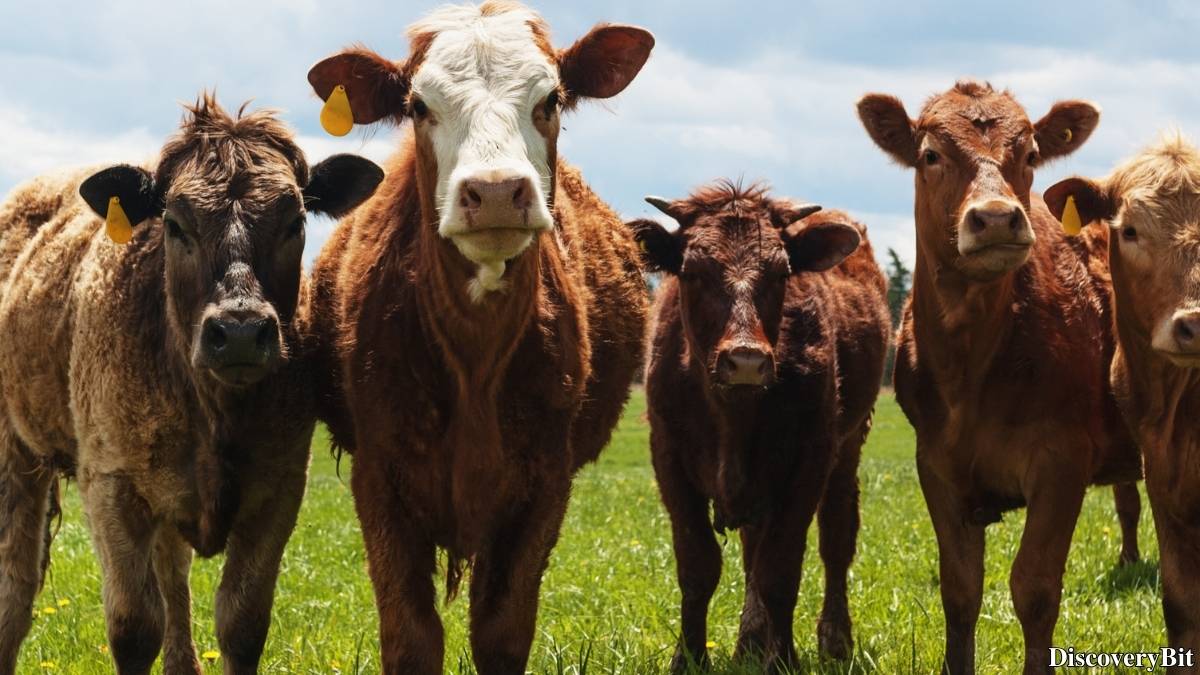
Cattle are a herd or drove. Drove emphasizes movement under human guidance, highlighting their central role as domesticated animals in agricultural tradition. This is an example of a functional name of the group of animals.
Tags: Explain the meaning of the Name of the group of animals Give me the history of collective nouns Name of the group of animals Summarize the cultural symbolism behind unusual collective nouns


