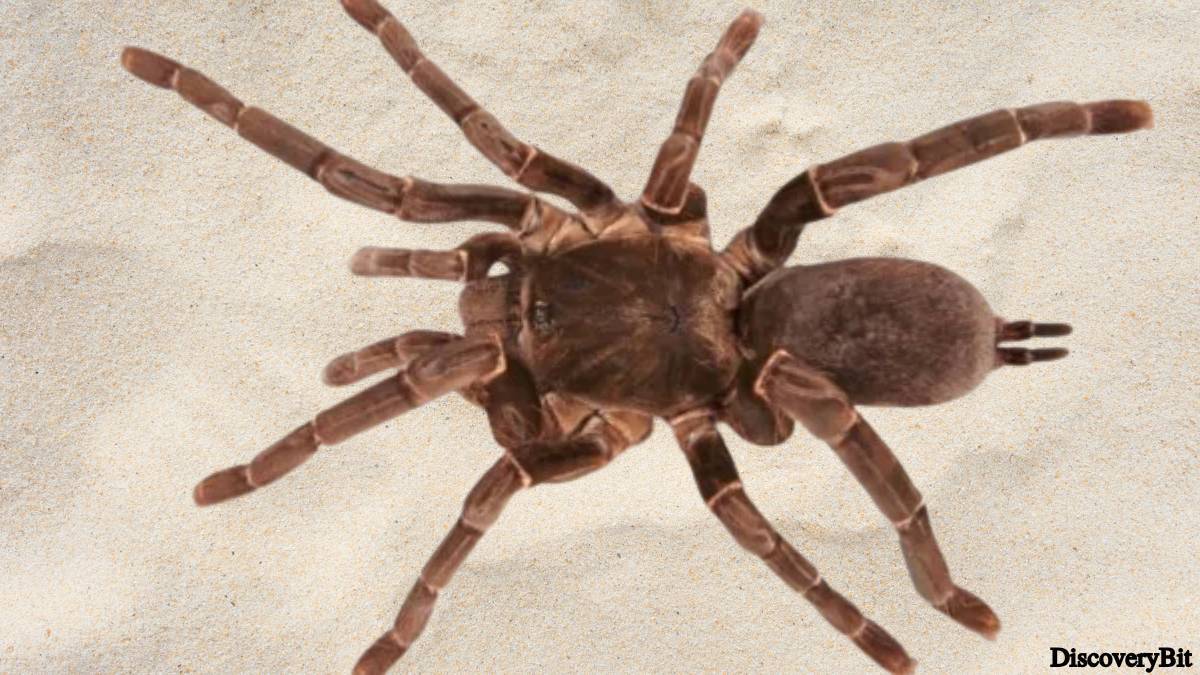
6) Hercules Baboon Spider (Hysterocrates hercules)
Modified from Shutterstock.
Description
How do giant spiders evolve to reach such large sizes? The Hercules Baboon Spider is reputed to be the largest African tarantula, with unverified historical claims suggesting a leg span of 20 cm (8 inches) or more (Ultimate Kilimanjaro; The Guardian). Its body is thick, heavy, and powerfully built, with a dark brown to black coloration typical of African baboon spiders (Ultimate Kilimanjaro). It is native to the rainforests and savanna regions of West Africa, particularly Nigeria and Cameroon (Ultimate Kilimanjaro).
Behavior
This species is believed to be defensive and reclusive, similar to other African baboon spiders (NatureRules1 Wiki). It is primarily nocturnal, spending most of its time hidden in deep burrows and emerging only to hunt (Ultimate Kilimanjaro). Related species show a tendency to stand their ground when threatened.
Lifestyle
The Hercules Baboon Spider is an extremely rare, deep-burrowing terrestrial species, constructing extensive underground tunnels. No modern confirmed sightings exist, and it is possibly extinct or misidentified in the trade (Ultimate Kilimanjaro). Its elusive nature and limited sightings since its description in 1900 contribute to its mythical status (NatureRules1 Wiki).
Feeding
As an opportunistic ambush predator, it likely feeds on insects, worms, small reptiles, and amphibians (Wikipedia). Its great size suggests it could overpower larger prey than most African tarantulas.
Characteristics
a) Largest reputed African tarantula (Ultimate Kilimanjaro)
b) Extremely rare; only historical specimens from early 1900s
c) Thick, powerful legs adapted for deep burrowing
d) Size unverified in modern studies (sources say ∼8 inches max)
e) Potent venom (stronger than New World tarantulas).
Defence Mechanism
Threat posture: Rearing up to display its fangs Stridulation: Producing a faint hissing sound by rubbing bristles on its legs Bite: The bite is likely very painful due to the size of the fangs. Caution is warranted as African baboon spiders are generally considered to have more potent venom than New World species (Reddit).
Uses (Edibility, Human Interaction)
The species has no known uses as a cultural item or food. Due to its extreme rarity, any specimens appearing in the pet trade are highly likely to be misidentified common species (Reddit).
Other Attributes
a) One of the most mysterious large spiders due to the lack of modern data
b) Conservation Status: IUCN not evaluated, but habitat loss is a major threat in its uncertain range (Ultimate Kilimanjaro).
c) Often confused with Hysterocrates gigas.
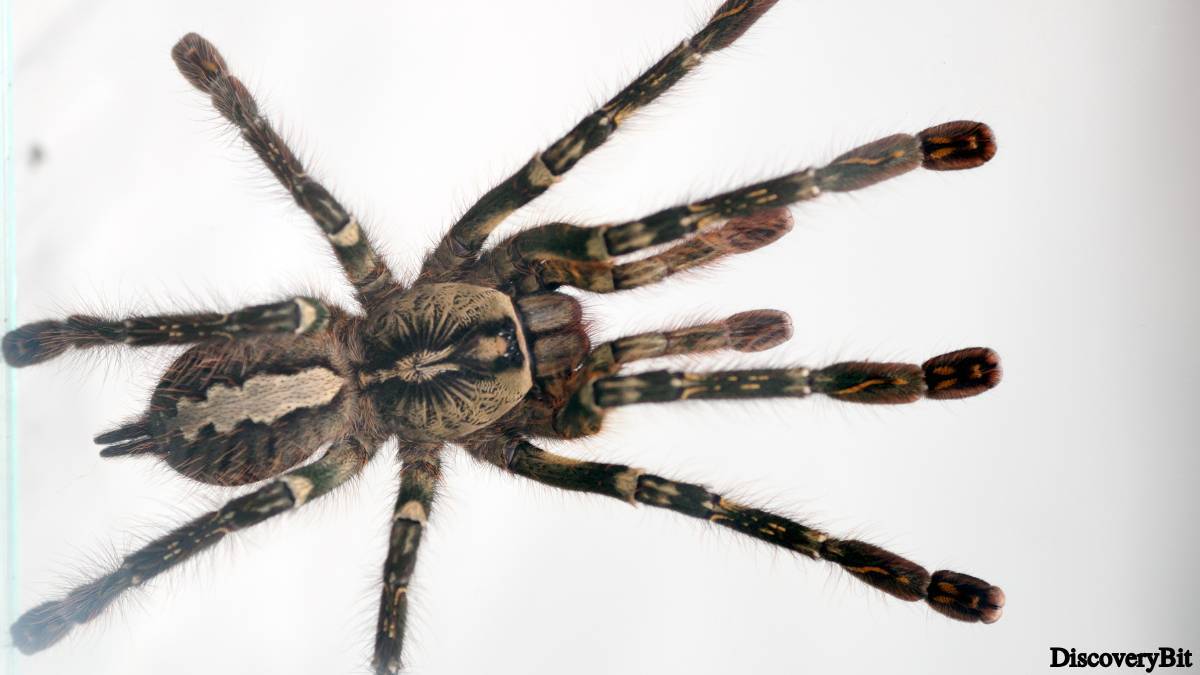
7) Togo Starburst/Ornamental (Poecilotheria ornata)
Description
Write a horror story about the biggest spider in the world. The Togo Starburst, correctly known as the Ornamental Tarantula, is one of the largest arboreal (tree-dwelling) tarantulas, reaching a leg span of up to 25 cm (10 inches) (Schmidt, 1999). It is visually striking, featuring bold black-and-white geometric patterns across its legs and carapace (Fitch, 2022). Its body is flatter and more streamlined, an adaptation for speed (Schmidt, 1999). It is endemic to Sri Lanka (not Togo; common name misleading), inhabiting warm, humid forest regions (IUCN Red List).
Behavior
This species is known for its extreme speed and agility. It is generally shy but will become highly defensive when cornered or threatened (Fitch, 2022). It prefers to flee upward into cover. When intimidated, it may display aposematic (warning) colors on the underside of its legs as a final warning. It is primarily nocturnal, emerging at night to hunt.
Lifestyle
As a strictly arboreal species, it lives in tree hollows, bark crevices, and natural cavities high above the forest floor (IUCN Red List). Females can live between 12–15 years. Its slender body and long legs allow it to move rapidly through vertical environments (Fitch, 2022).
Feeding
This tarantula is an ambush predator. Its diet includes flying insects, beetles, moths, and occasionally small vertebrates such as lizards and frogs (Schmidt, 1999). Its venom is generally considered more potent and medically significant than that of most New World species (Fitch, 2022).
Characteristics
a) One of the largest arboreal tarantulas (Schmidt, 1999)
b) Distinctive black-and-white starburst pattern (Fitch, 2022)
c) Extremely fast and agile
d) Flatter body and long legs adapted for climbing (Schmidt, 1999)
e) Stronger, medically significant venom.
Defence Mechanism
Rapid escape: Its first instinct is to flee at high speed into the nearest cavity Threat display: Flashing bright warning colors (usually yellow or red) on the underside of its legs (Fitch, 2022) Bite: The bite is painful and medically significant (neurotoxic, potentially causing muscle cramping and severe localized pain that can last for days) (Toxinology).
Uses (Edibility, Human Interaction)
It is not consumed as food. Its remarkable appearance makes it highly prized in the exotic pet trade, but its speed and potent venom mean it should only be kept by experienced keepers (Fitch, 2022).
Other Attributes
a) Plays an important ecological role as a key predator of arboreal insects
b) Conservation Status: Listed as Endangered (EN) by the IUCN Red List due to severe habitat loss and degradation within its limited range in Sri Lanka (IUCN Red List).
8) King Baboon Spider (Pelinobius muticus)
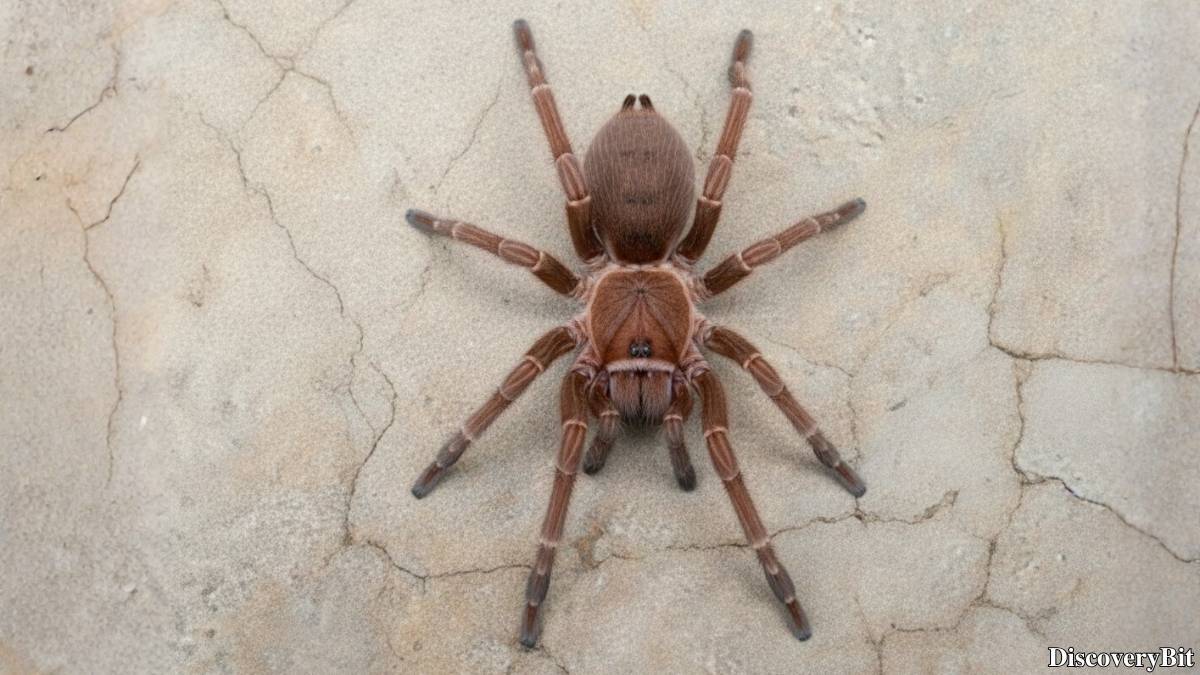
Description
The King Baboon Spider is a large, heavy-bodied African tarantula reaching a maximum leg span of about 20-23 cm (8–9 inches) (Britannica). It is instantly recognizable by its deep reddish-brown coloration, thick legs, and powerful build (Phelan, 2018). Native to East Africa, particularly Kenya, Tanzania, and Uganda, it inhabits dry savanna and scrubland regions (Tarantula Keeper’s Guide).
Behavior
This species is widely known for its aggressive and defensive temperament. Unlike many tarantulas that prefer to flee, the King Baboon often stands its ground, relying heavily on loud stridulation to warn intruders (Phelan, 2018). It is highly territorial and spends most of its life underground. It is strictly nocturnal.
Lifestyle
A deep-burrowing terrestrial spider, it constructs elaborate, deep tunnel systems that may extend several feet underground (Tarantula Keeper’s Guide). Females are exceptionally long-lived, with reported lifespans of 20–25 years, making them among the longest-living tarantulas (Phelan, 2018). It is one of Africa’s largest tarantulas.
Feeding
The King Baboon Spider is an opportunistic ambush predator. Its diet includes insects, worms, small reptiles, and occasionally small rodents (Britannica). Its large fangs deliver a powerful bite, and its potent venom is considered medically significant (Phelan, 2018).
Characteristics
a) One of Africa’s largest tarantulas (Britannica)
b) Distinctive deep reddish-brown coloration
c) Extremely powerful fangs capable of delivering a strong bite
d) Known for stridulation, producing a distinct, audible hissing sound (Phelan, 2018)
e) Females are exceptionally long-lived and significantly larger than males.
Defence Mechanism
Stridulation: A loud, intimidating hissing sound (Phelan, 2018) Threat posture: Raising front legs and exposing its large fangs Burrow retreat: Quickly disappearing into deep tunnels Bite: The bite is painful and medically significant, as African baboon spiders tend to have stronger venom than New World species (Tarantula Keeper’s Guide). Are giant spiders dangerous to humans?
Uses (Edibility, Human Interaction)
No cultural uses as food or medicine are documented. While occasionally found in the exotic pet trade, its aggression, speed, and potent bite necessitate that it only be handled by very experienced keepers (Phelan, 2018).
Other Attributes
a) Plays an important ecological role as a key predator of ground-dwelling invertebrates
b) Highly territorial and rarely leaves its burrow
c) Conservation Status: Currently listed as “Not Evaluated” by the IUCN Red List.
9) Brazilian Wandering Spiders (Phoneutria spp.)
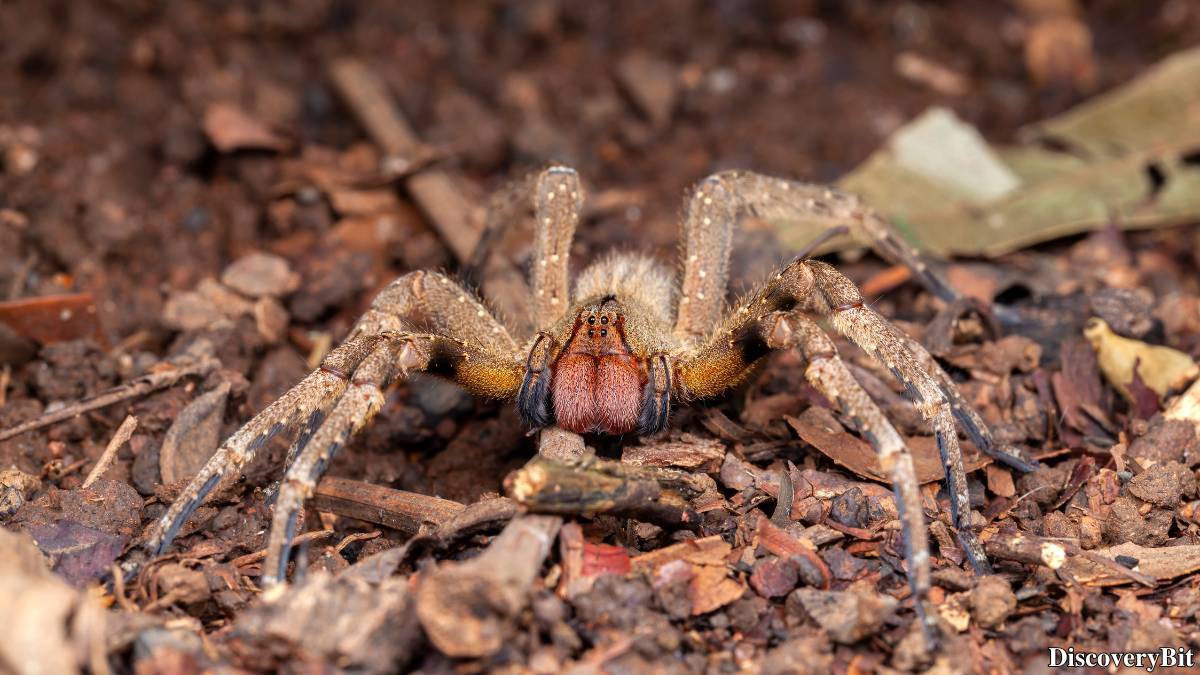
Description
Which is more dangerous: the biggest spider or the most venomous spider? The Brazilian Wandering Spiders (Phoneutria spp.) are among the largest and most infamous true spiders (non-tarantulas), reaching maximum leg spans of up to 18 cm (7 inches) (Britannica). They possess long, slender legs and a more agile, athletic build. Native to South and Central America, they are known for their highly mobile lifestyle and powerful, fast-acting venom (Britannica).
Behavior
These spiders are exceptionally fast, active, and highly alert. They roam the forest floor at night, actively searching for food. Their wandering behavior often brings them into accidental contact with humans, sometimes hiding in shoes or banana shipments (Britannica). They generally prefer to flee and will only confront a threat if cornered.
Lifestyle
Brazilian Wandering Spiders are strictly nocturnal hunters. They seek shelter in logs, dense foliage, or human dwellings during the day. They do not construct permanent burrows or capture webs, relying entirely on their speed and agility. Their high mobility allows them to occupy a wide range of habitats (World Spider Catalog).
Feeding
These spiders are opportunistic predators, feeding on insects, other spiders, small reptiles, amphibians, and occasionally small mammals (Britannica). Their hunting strategy relies on explosive speed, precision, and powerful neurotoxic venom.
Characteristics
a) Among the largest true spiders (non-tarantulas) (Britannica)
b) Extremely fast and agile with a streamlined build
c) Highly potent venom with strong neurotoxic effects, making them medically important (Guinness)
d) Known for wandering rather than web-building
e) Often encountered in human dwellings due to their roaming behavior.
Defence Mechanism
Threat posture: Raising their front legs high and swaying to appear larger and intimidate a threat (Britannica) Rapid escape: Sprinting away at high speed Bite: The bite is venomous and medically significant. Fatalities are extremely rare with prompt medical treatment; antivenom is available and necessary for severe envenomation (Toxicon, 2017).
Uses (Edibility, Human Interaction)
The primary interaction with humans is accidental and medically relevant—they are frequently cited as the world’s most venomous spider. They are not used for food. Antivenom is highly effective, leading to a very low fatality rate (Toxicon, 2017).
Other Attributes
a) Often cited as one of the “most venomous spiders” in the world (Britannica)
b) Plays a key ecological role controlling insect and small vertebrate populations
c) Conservation Status: The genus is not generally considered endangered due to wide distribution and adaptability to human-disturbed habitats (Toxicon, 2017).
10) Chaco Golden Knee Tarantula (Grammostola pulchripes)
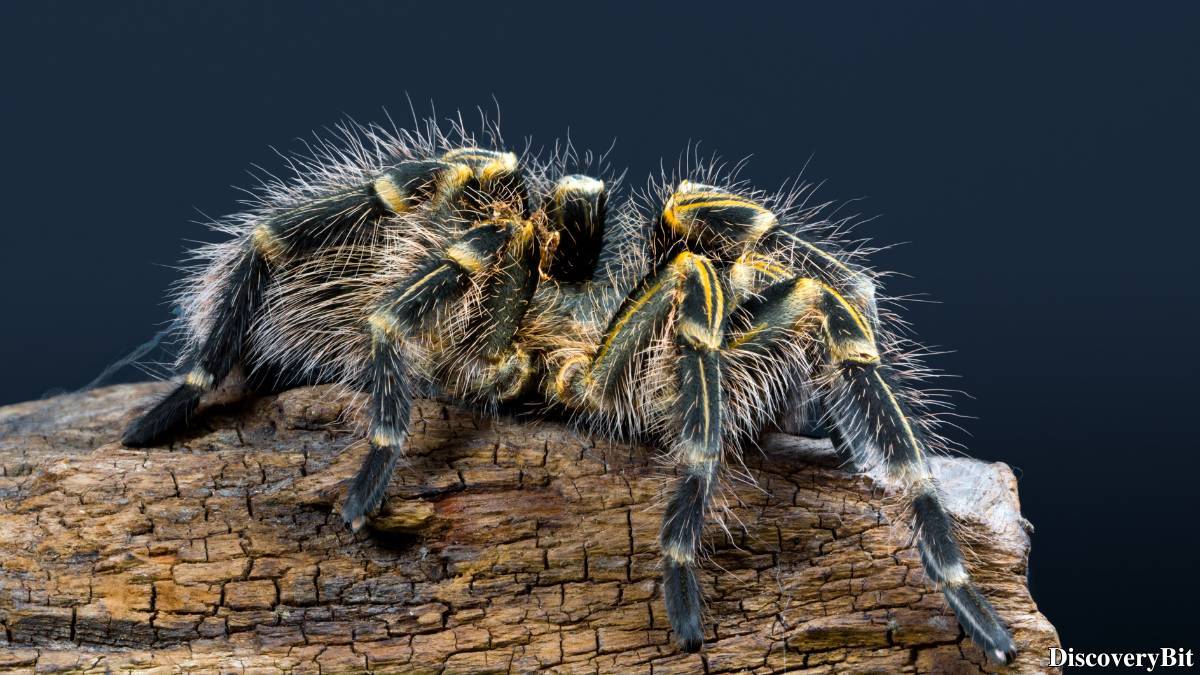
Description
Explain the biggest spider in the world to a child. The Chaco Golden Knee Tarantula is a large, visually impressive species, reaching a leg span of up to 21 cm (8.5 inches) (Mellaerts, 2011). It is easily identified by its bright, shimmering golden-yellow stripes on the leg joints, its signature “golden knees.” The body is broad, dark brown to black, and covered in dense, velvety hairs (Britannica). Native to the grasslands and savannas of Paraguay and Argentina (Mellaerts, 2011).
Behavior
This species is renowned for its exceptionally calm, gentle temperament (Phelan, 2019). It rarely shows aggression and is far more likely to retreat into its burrow. Because of its docility and predictable nature, it is one of the most highly recommended tarantulas for beginners. It is moderately active and often visible outside its burrow.
Lifestyle
A terrestrial burrower, Grammostola pulchripes lives in shallow burrows in open savannas and grasslands. Females are highly long-lived, capable of surviving 20–25 years, while males typically survive only a few years after reaching maturity. Its hardy nature and tolerance for a range of conditions make it easy to care for (Phelan, 2019).
Feeding
The Chaco Golden Knee is an opportunistic feeder. Its diet consists of insects, worms, and occasionally small vertebrates. Its feeding response is strong but controlled.
Characteristics
a) Distinctive golden stripes on the leg joints (Mellaerts, 2011)
b) Large, robust body with dense setae
c) Extremely docile and considered one of the best beginner-friendly tarantulas (Phelan, 2019)
d) Long-lived females (20–25 years)
e) Hardy and adaptable in captivity.
Defence Mechanism
Urticating hairs: Used sparingly when stressed or threatened (Britannica) Retreating: Prefers to flee or hide rather than displaying aggression Bite: Rare and typically mild, with low-potency venom that causes only localized pain (Phelan, 2019).
Uses (Edibility, Human Interaction)
The species has no use as food or medicine. Due to its gentle disposition, attractive coloration, and ease of care, it is an extremely popular and widely bred tarantula in the exotic pet trade (Phelan, 2019).
Other Attributes
a) An excellent display species, often visible outside its burrow
b) Plays a role in controlling insect populations in its native habitat
c) Conservation Status: Currently listed as “Not Evaluated” by the IUCN Red List. create a classroom worksheet about the world’s largest spiders.
11) Face-Sized Tarantula (Poecilotheria rajaei)
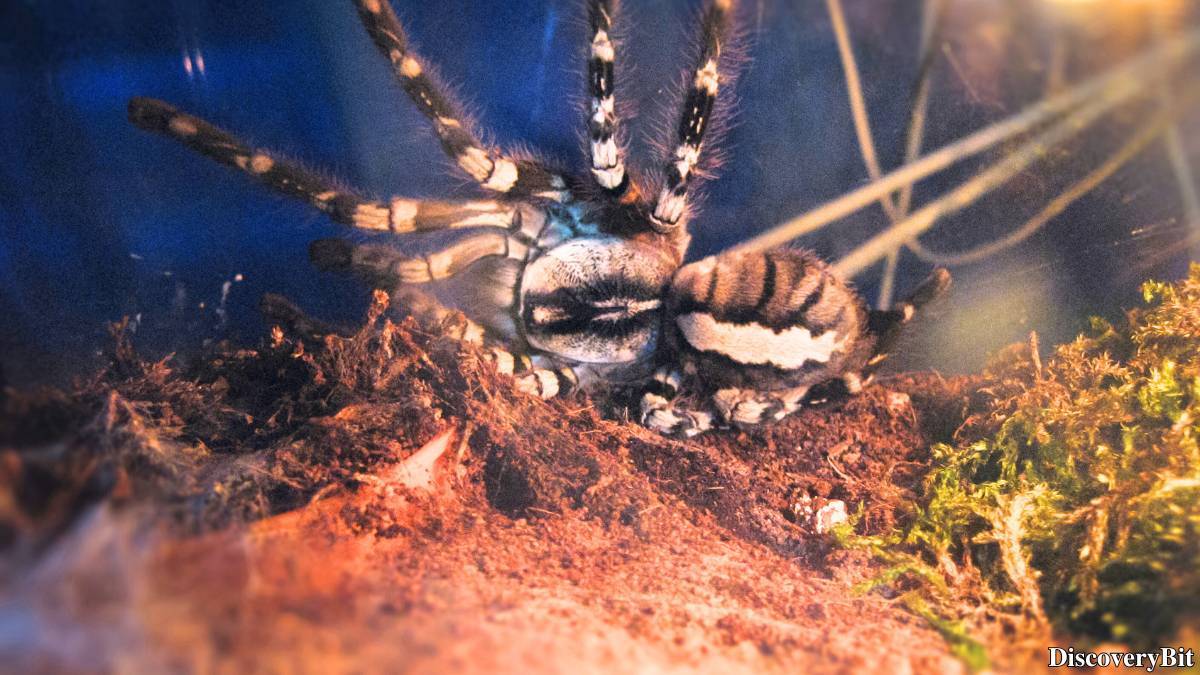
Description
Explain the biggest spider in the world in a way that won’t trigger arachnophobia. The Face-Sized Tarantula is one of the largest arboreal tarantulas in the world, reaching a verified leg span of up to 20 cm (8 inches) (Ranil, 2013). Discovered in 2009 in Sri Lanka, it is named for its impressive size (Ranil, 2013). Its body and legs display intricate gray, white, and black geometric patterns with pink banding (Toxinology). It is ideally built for speed and agility in vertical environments (Ranil, 2013).
Behavior
This species is known for being extremely fast, alert, and defensive. When threatened, its primary instinct is to flee rapidly or assume a threat posture, revealing bright underside markings (Ranil, 2013). It is highly reactive to disturbances and prefers to avoid confrontation by retreating instantly into tree hollows. It is primarily nocturnal.
Lifestyle
A strictly arboreal species, it lives high in old-growth trees, occupying natural hollows and bark crevices (Ranil, 2013). Females are long-lived, often surviving over a decade. Due to habitat loss, it is sometimes forced to enter human areas (IUCN Red List).
Feeding
The Face-Sized Tarantula is an ambush predator. Its diet includes flying insects, beetles, moths, and occasionally small vertebrates. Its venom is medically significant, delivering strong neurotoxic effects that quickly immobilize prey (Toxinology).
Characteristics
a) One of the largest arboreal tarantulas (Ranil, 2013)
b) Striking geometric patterns with pink banding (Ranil, 2013)
c) Extremely fast and agile
d) Potent venom compared to many New World tarantulas (Toxinology)
e) Flatter body adapted for climbing and hiding in narrow spaces.
Defence Mechanism
Rapid escape: Its first instinct is to flee at high speed into the nearest cavity Threat display: Flashing bright underside markings Bite: The bite is painful and medically significant, capable of causing severe localized and potentially systemic symptoms (Toxinology).
Uses (Edibility, Human Interaction)
It is not consumed as food. Its impressive size and appearance make it a prized species in the exotic pet trade, though its medically significant venom and speed require advanced keeping experience.
Other Attributes
a) Discovered only recently (2009), making it scientifically important (Ranil, 2013)
b) Conservation Status: Currently considered Vulnerable (VU) by the IUCN Red List due to severe habitat loss from deforestation and logging (IUCN Red List).
12) African Giant Millipede Eater (Pelinobius muticus)
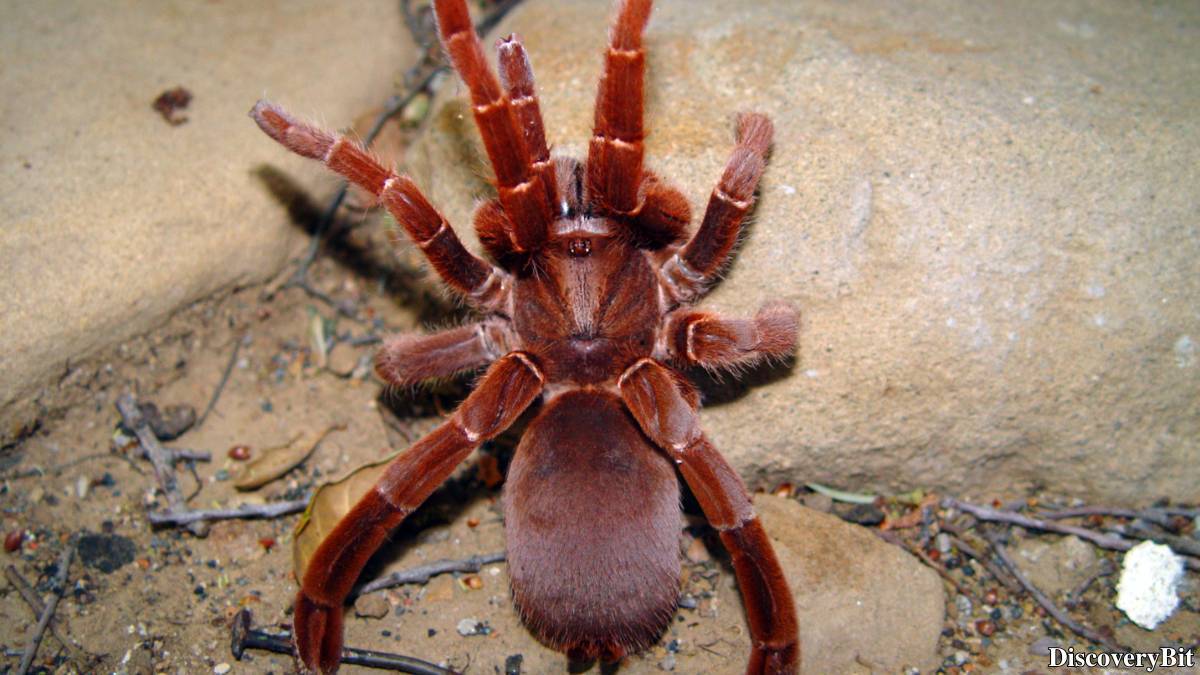
Description
Give me 20 fun facts about the biggest spider in the world. The African Giant Millipede Eater is a large, heavy-bodied baboon spider native to East Africa, reaching a maximum leg span of up to 23 cm (9 inches) (Phelan, 2018). Closely related to the King Baboon Spider (P. muticus), sources suggest “P. fortis” is a synonym or invalid name for P. muticus. It shares the same thick, muscular build and deep, earthy brown coloration (Peters, 2003). Its robust legs and powerful fangs are adapted for subduing tough-skinned prey, particularly giant millipedes (Phelan, 2018).
Behavior
This spider is known for being highly defensive and territorial. When disturbed, it may rear up or produce a loud hissing sound through stridulation (Phelan, 2018). It prefers to avoid open confrontation but will defend its burrow entrance vigorously. It is primarily nocturnal.
Lifestyle
A deep-burrowing terrestrial species, it constructs extensive underground tunnels that provide protection in the dry savannas of Kenya (Phelan, 2018). Females are long-lived, often surviving well over a decade. The ecological role of controlling millipedes is significant.
Feeding
As its name suggests, it is specialized for hunting large, armored prey, primarily giant millipedes (Phelan, 2018). Its powerful fangs and strong venom allow it to pierce the tough exoskeletons of these invertebrates. It also feeds opportunistically on insects and small vertebrates.
Characteristics
a) Large, muscular body adapted for digging and powerful strikes (Peters, 2003)
b) Thick legs and strong fangs for tackling armored prey
c) Known for loud stridulation when threatened (Phelan, 2018)
d) Likely synonymous with the King Baboon Spider (P. muticus) e) Females are long-lived.
Defence Mechanism
Stridulation: Producing a loud hissing sound to deter predators Threat posture: Raising front legs and exposing large fangs Burrow retreat: Quickly disappearing into deep tunnels Bite: The bite is painful due to the mechanical size of the fangs and is considered medically significant, typical of African baboon spiders (Phelan, 2018).
Uses (Edibility, Human Interaction)
No cultural significance as food is recorded for this species. It is occasionally available in the exotic pet trade, but its defensive nature and potent bite mean it is only suitable for advanced keepers (Phelan, 2018).
Other Attributes
a) Ecological role in controlling millipedes (Phelan, 2018)
b) Highly adapted to harsh, dry environments c) Conservation Status: Currently listed as “Not Evaluated” by the IUCN Red List.
Tags: Biggest spider in the world Compare the goliath birdeater and the giant huntsman spider. Create a realistic illustration of a goliath birdeater next to a human hand for scale. How big can the goliath birdeater get? Which is more dangerous: the biggest spider or the most venomous spider? Which spider has the largest leg span?