
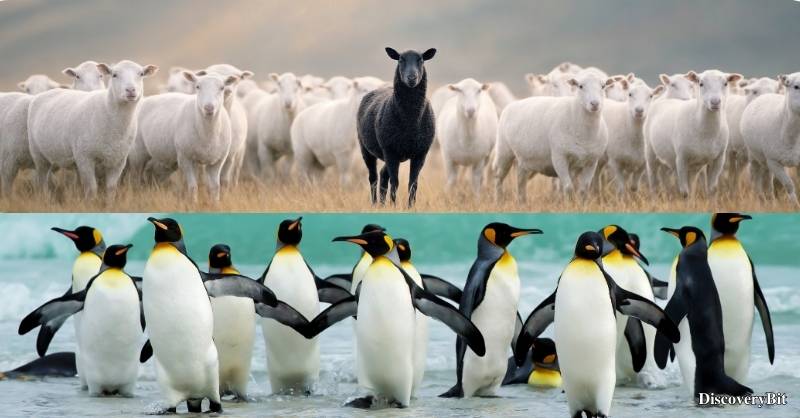
101) Rats
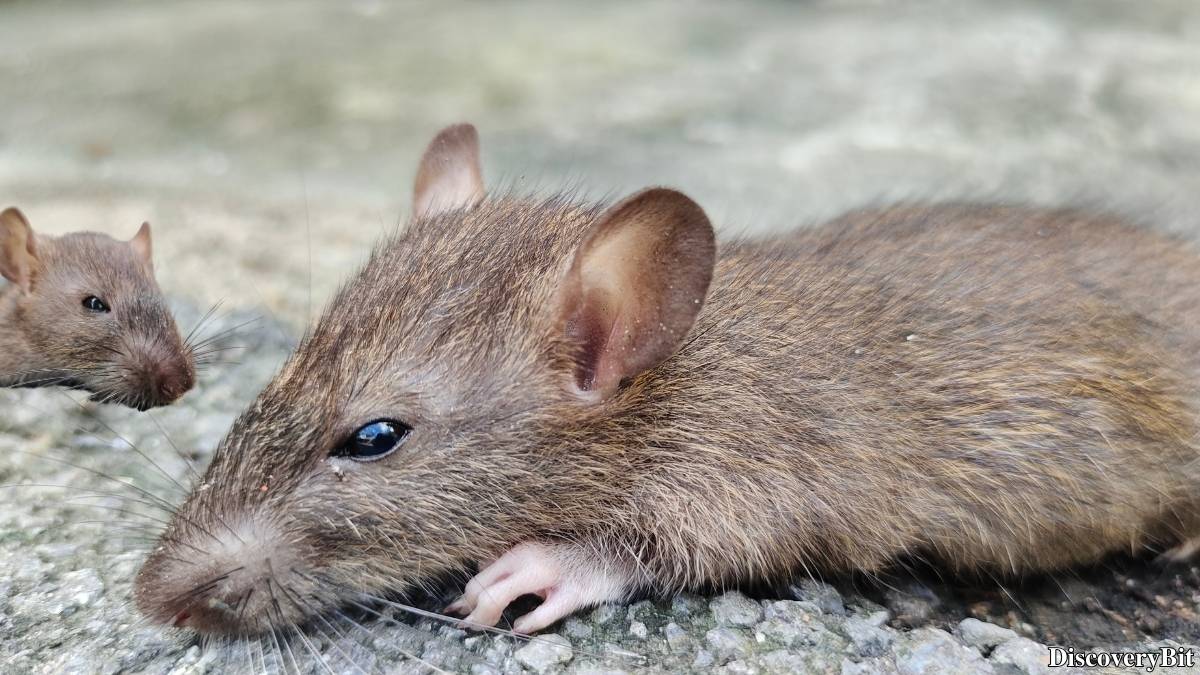
Rats form a mischief, colony, pack, or swarm. These terms reflect their adaptability and their uneasy relationship with humans due to their destructive tendencies. This is a descriptive name of the group of animals.
102) Rattlesnakes
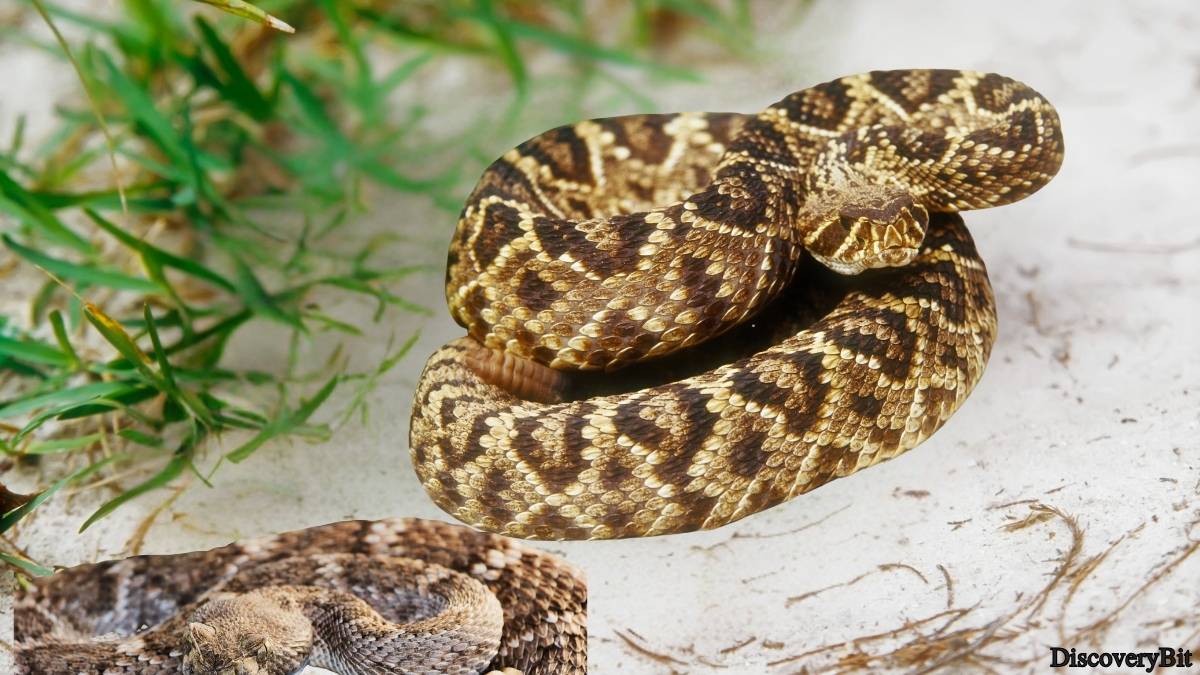
A group is a rhumba, a surprisingly playful term. It evokes rhythm and movement, contrasting with their deadly reputation. This is a great choice for a humorous article about the strangest names of the group of animals.
103) Ravens
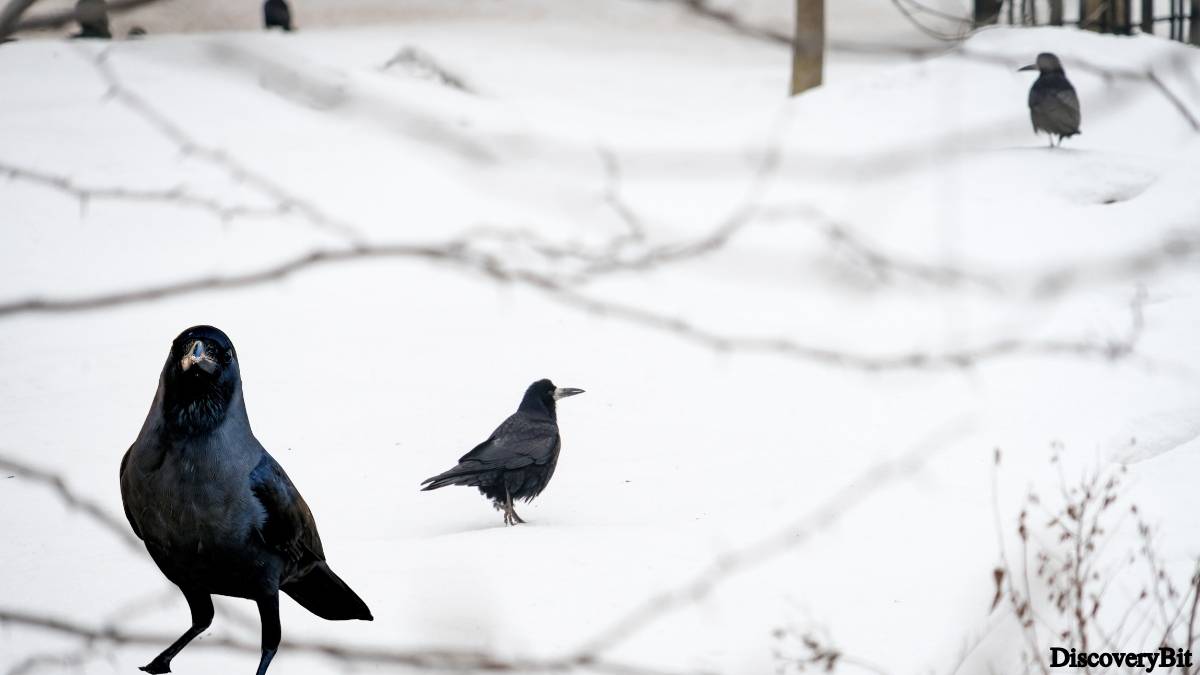
A group of ravens is called an unkindness, a term steeped in medieval superstition. Ravens were often associated with death and misfortune, so “unkindness” reflects the fear and suspicion they inspired. In reality, ravens are highly intelligent and social, but the word endures as one of the most haunting collective nouns.
104) Rhinoceroses
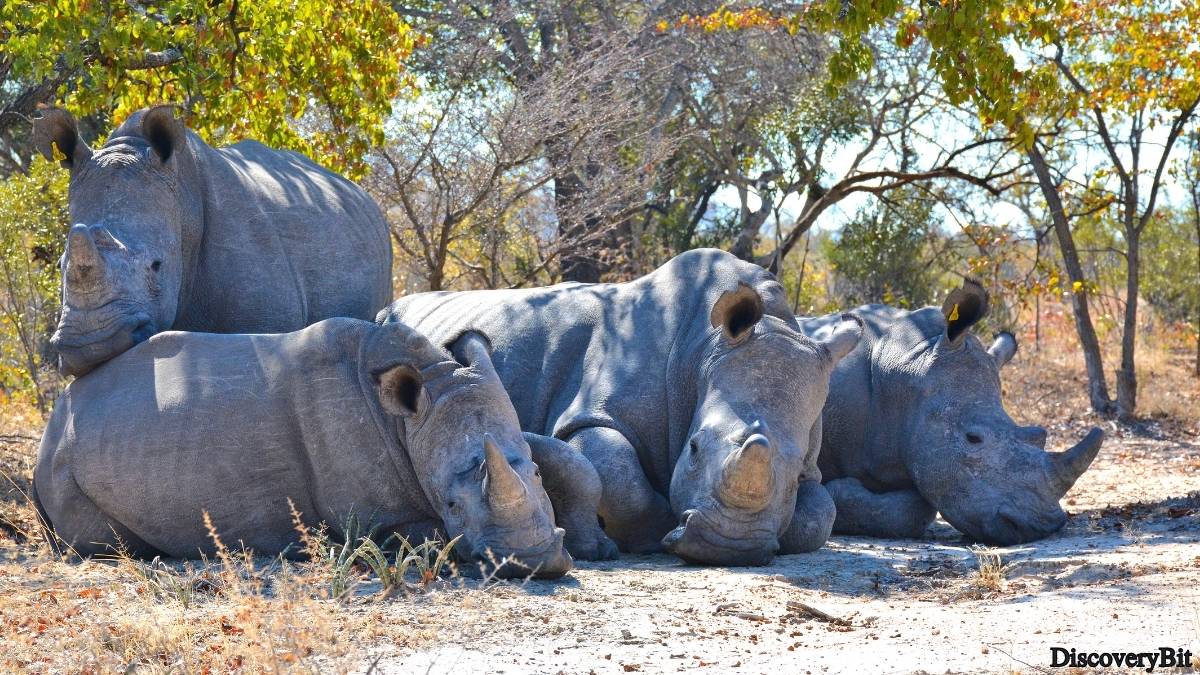
Rhinoceroses form a crash, a vivid term that captures their immense size and power. The word reflects the force of their movements and the awe they inspire. This is a powerful name of the group of animals.
105) Rooks
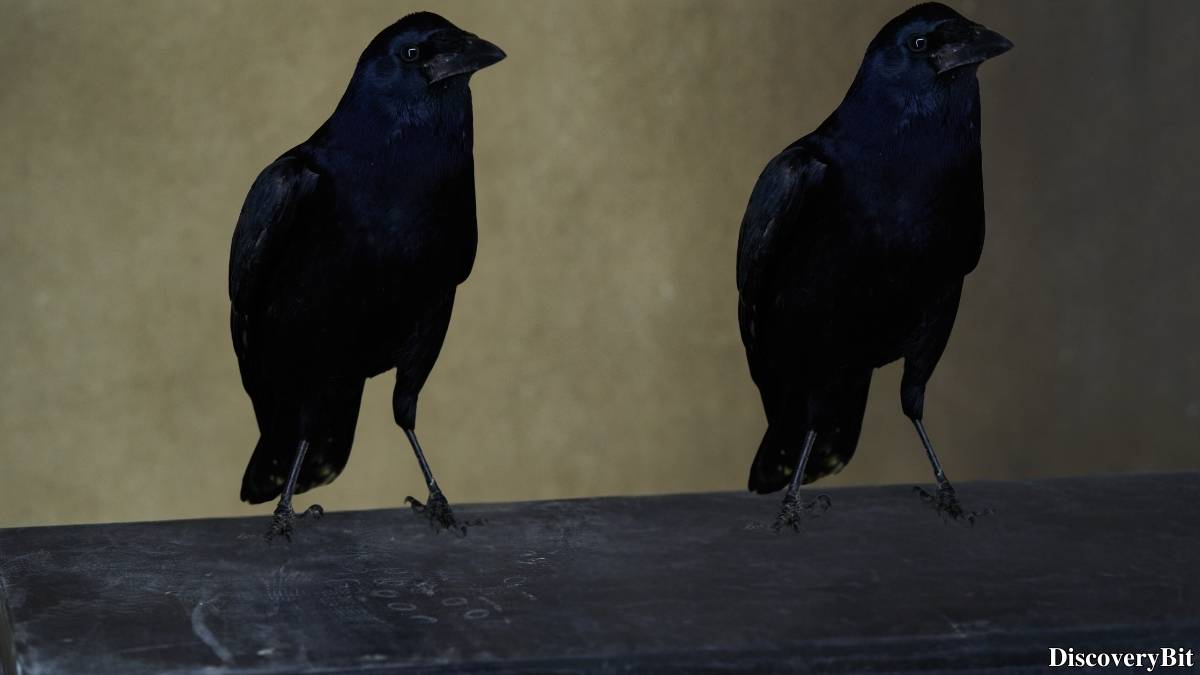
Rooks are collectively called building, reflecting their communal nesting in treetops, creating “rookeries.” The word emphasizes their cooperative construction and their noisy, industrious presence. This is a descriptive name of the group of animals.
106) Seahorses
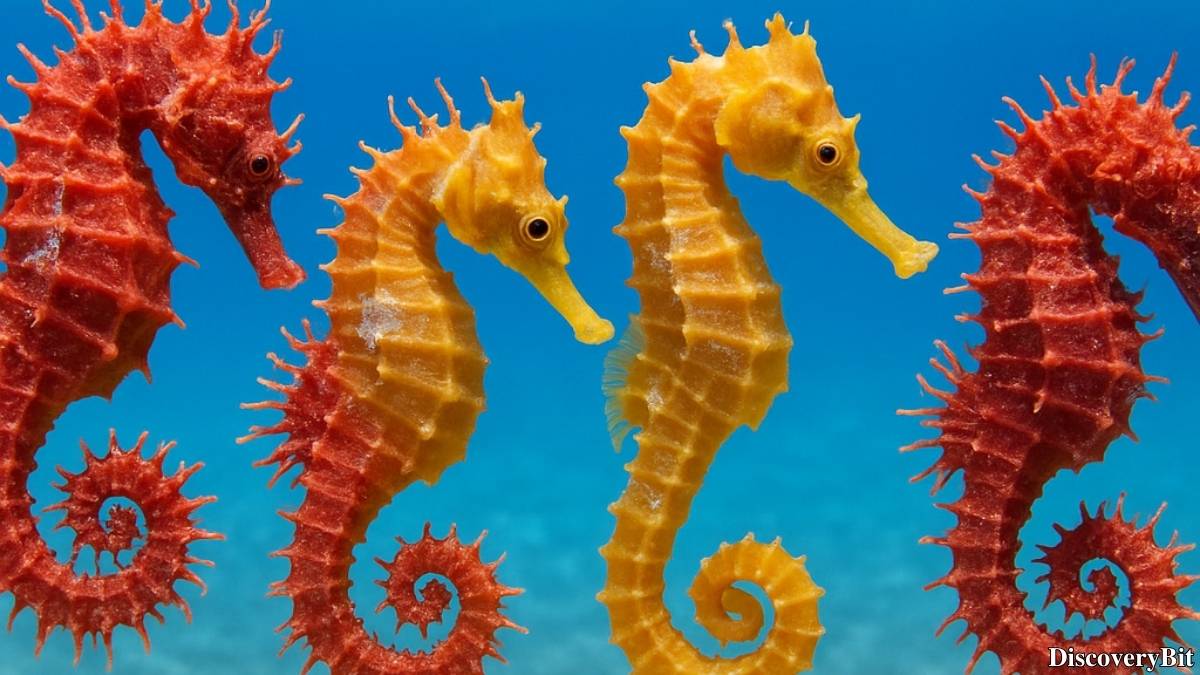
A group is a herd, a surprising term. It reflects their tendency to drift together in currents, often with tails entwined. This fact is useful for creating flashcards with animal pictures and their group names.
107) Sharks
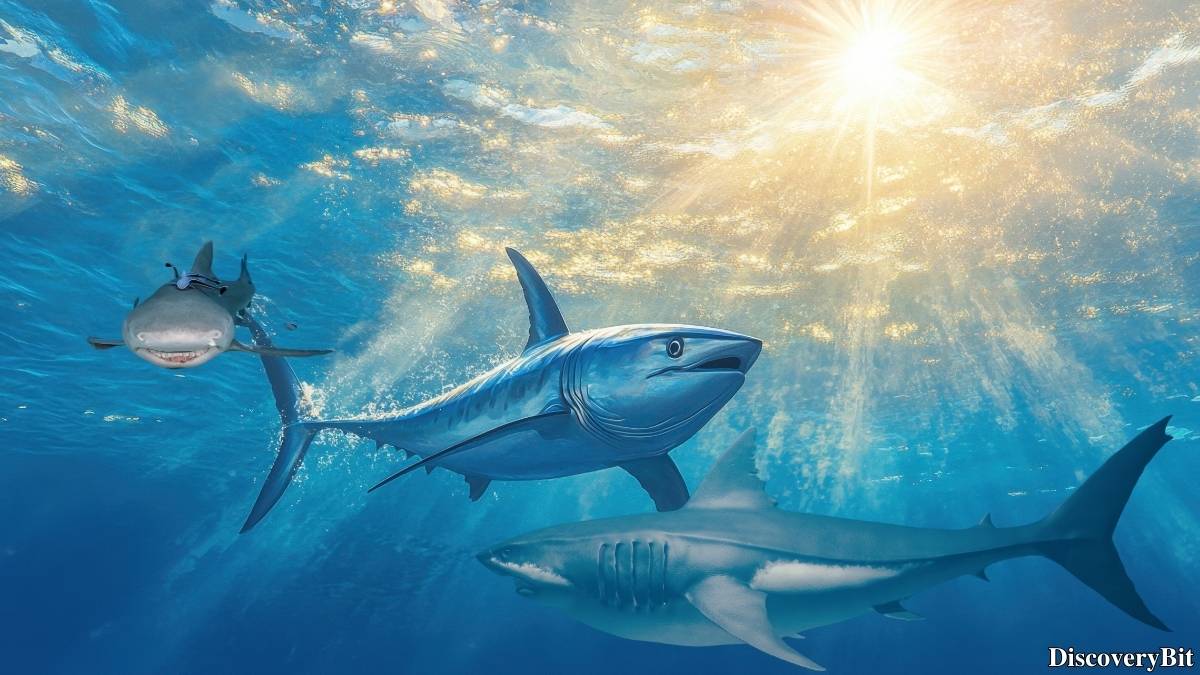
Sharks in a group are called a shiver, a term that evokes both fear and the chill. The word reflects their sleek, predatory presence where even a small gathering can inspire dread. This is a dramatic name of the group of animals.
108) Sheep
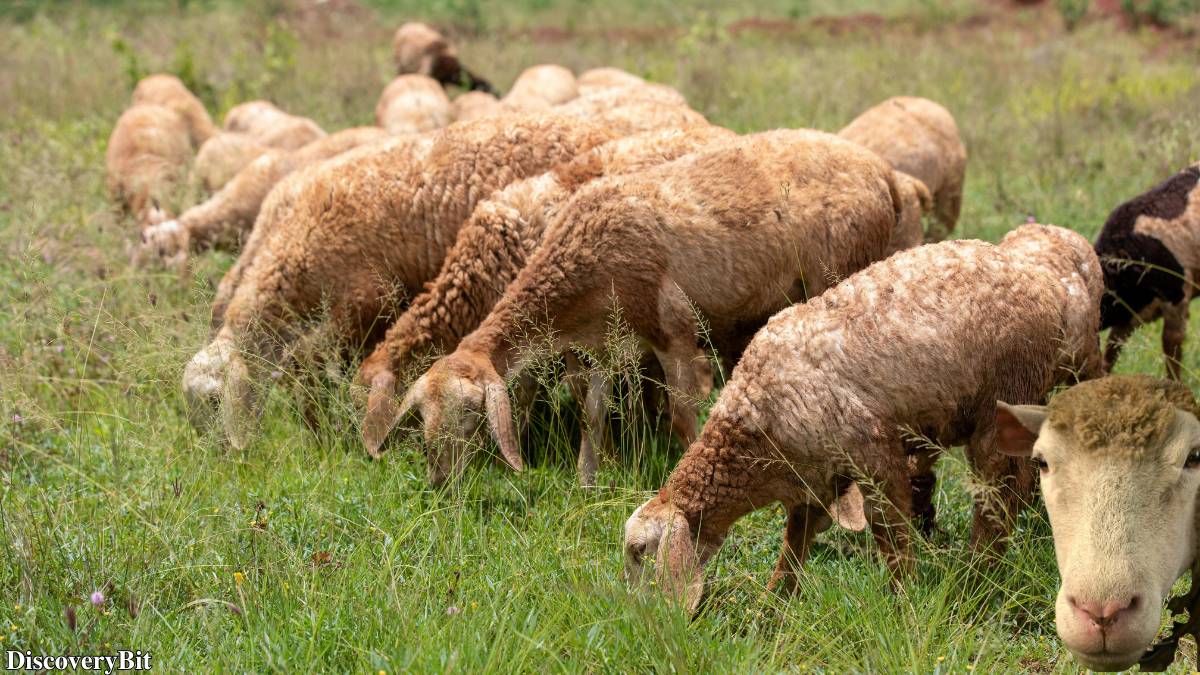
A group of sheep are called a drove or flock. “Flock” emphasizes their gentle, pastoral image, while “drove” refers to their movement under human guidance, highlighting their role in agriculture. This is a common name of the group of animals.
109) Skunks
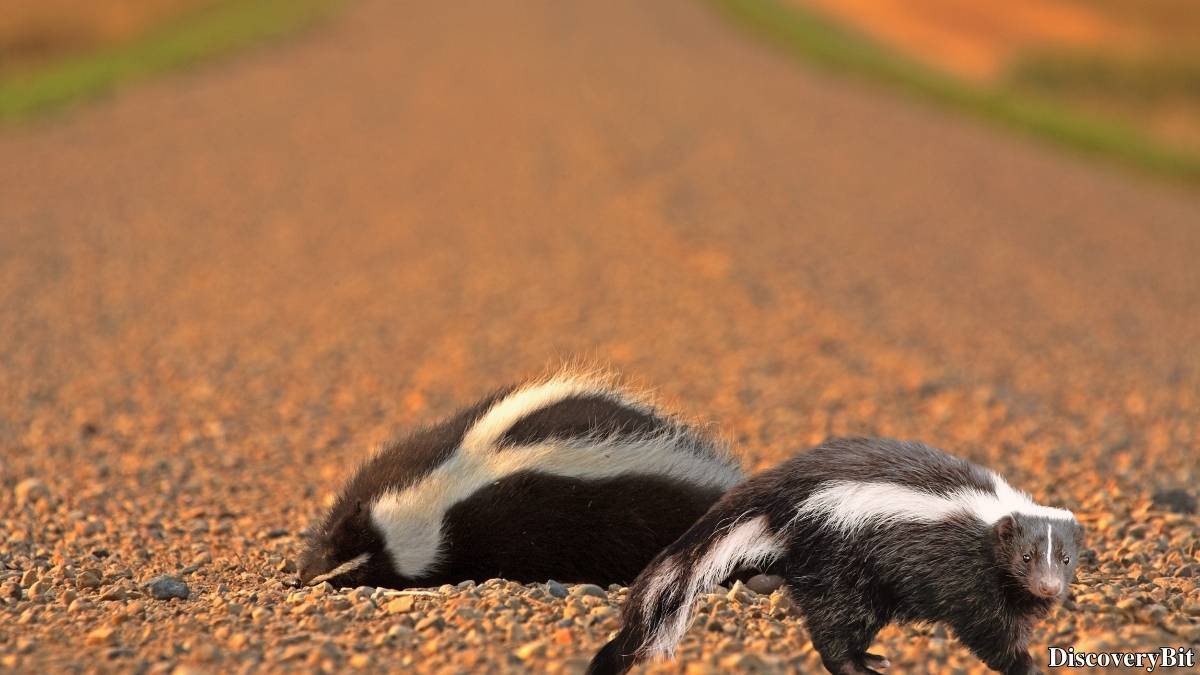
A group is a stench, a humorous and fitting term. It reflects their notorious defense mechanism, the pungent spray, capturing both their distinctiveness and the human reaction. This is a descriptive name of the group of animals.
110) Snakes
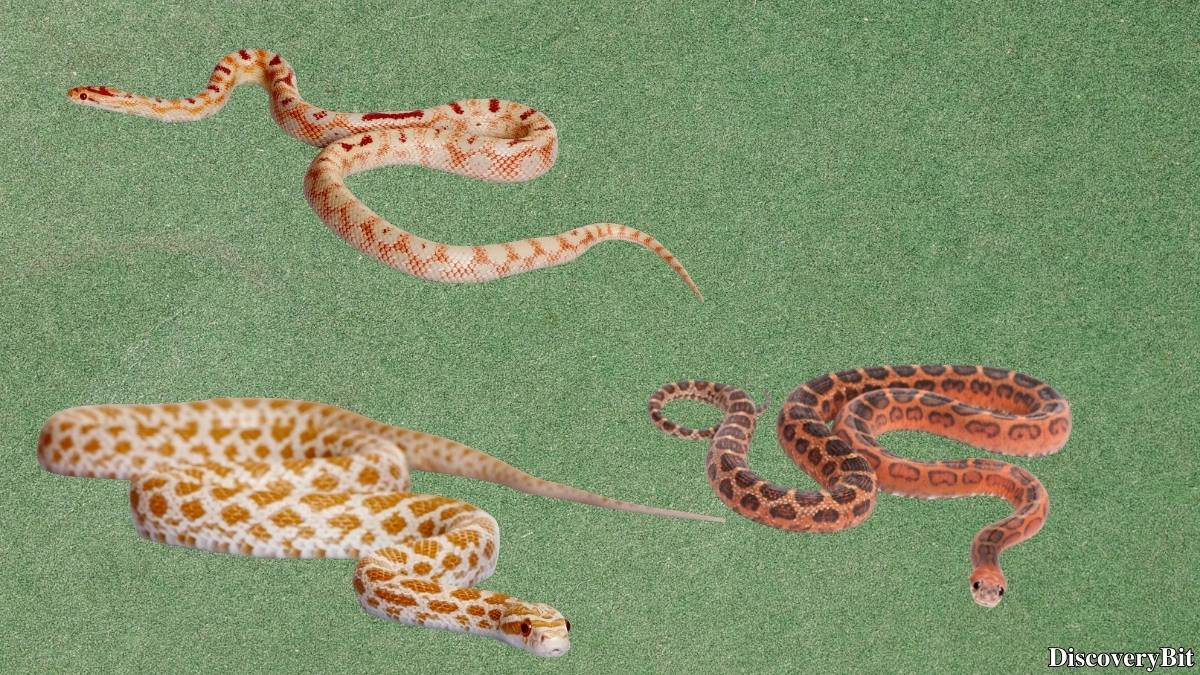
Snakes form a den, nest, knot, or pit. These terms highlight both their secretive gatherings and their unsettling image in folklore. This fact is useful for generating riddles where the answer is the name of the group of animals.
111) Sparrows
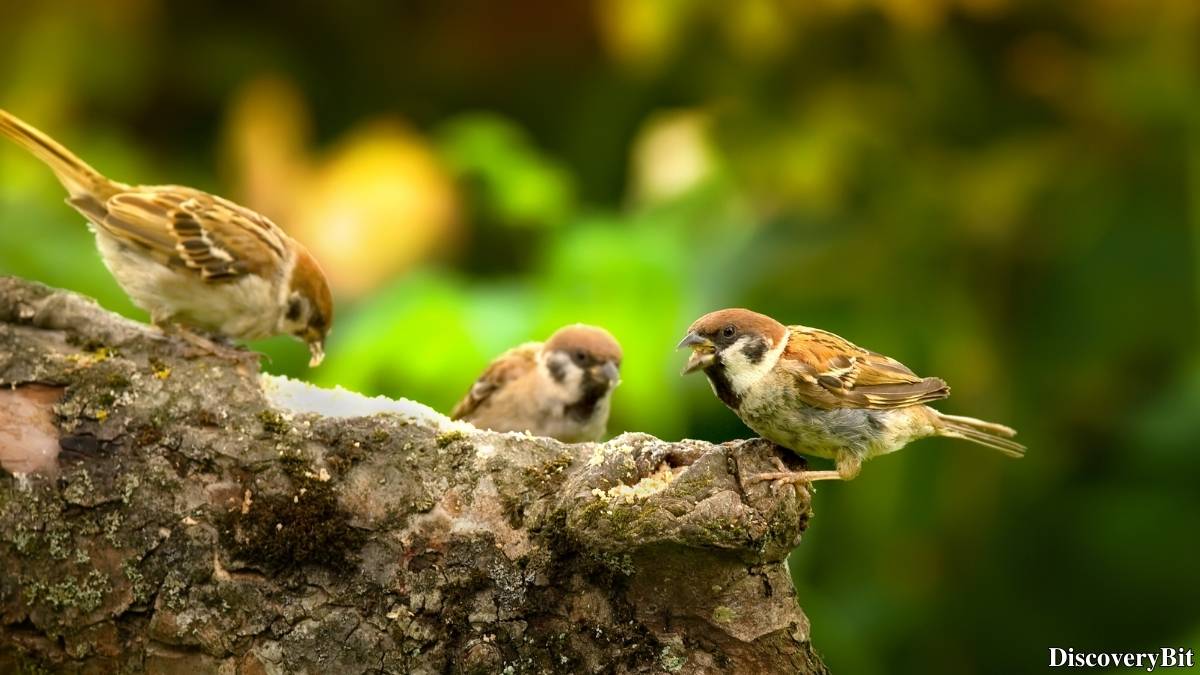
A group is a host, a term that reflects their abundance and ubiquity. The word emphasizes their collective presence as some of the most common birds worldwide. This is a simple name of the group of animals.
112) Squirrels
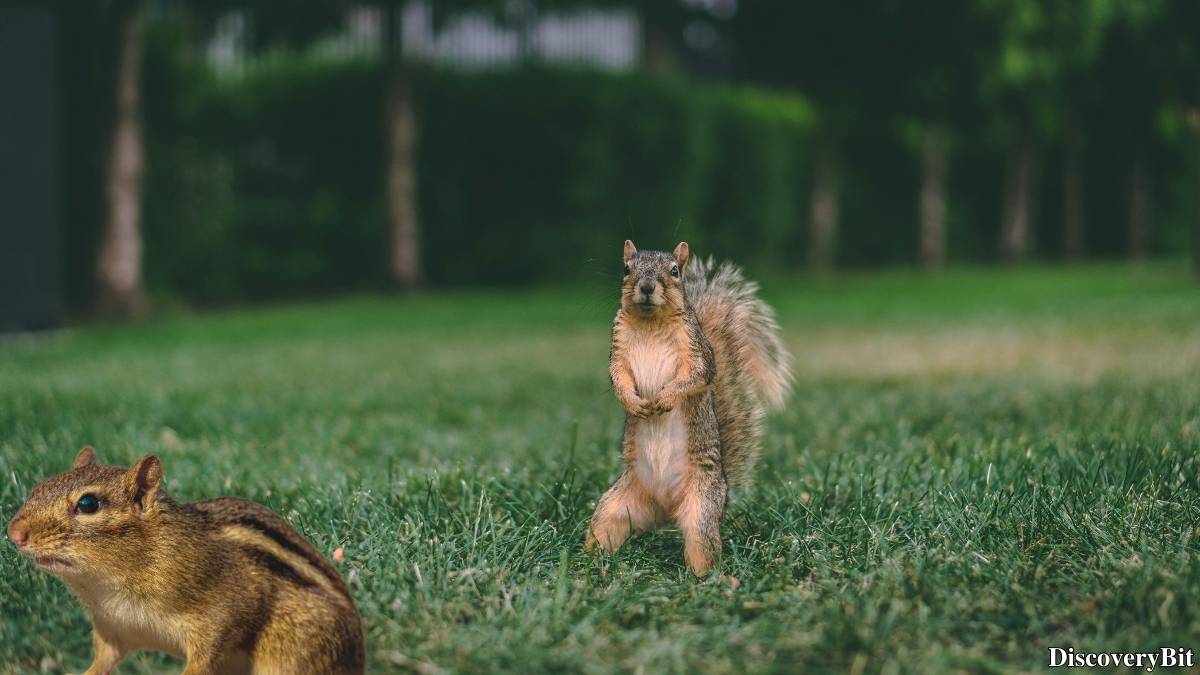
Squirrels form a dray (their nests) or scurry (quick, darting movements). These terms highlight their energetic, restless nature and constant activity. This fact is useful for writing a short story that uses at least ten collective nouns for animals.
113) Starlings
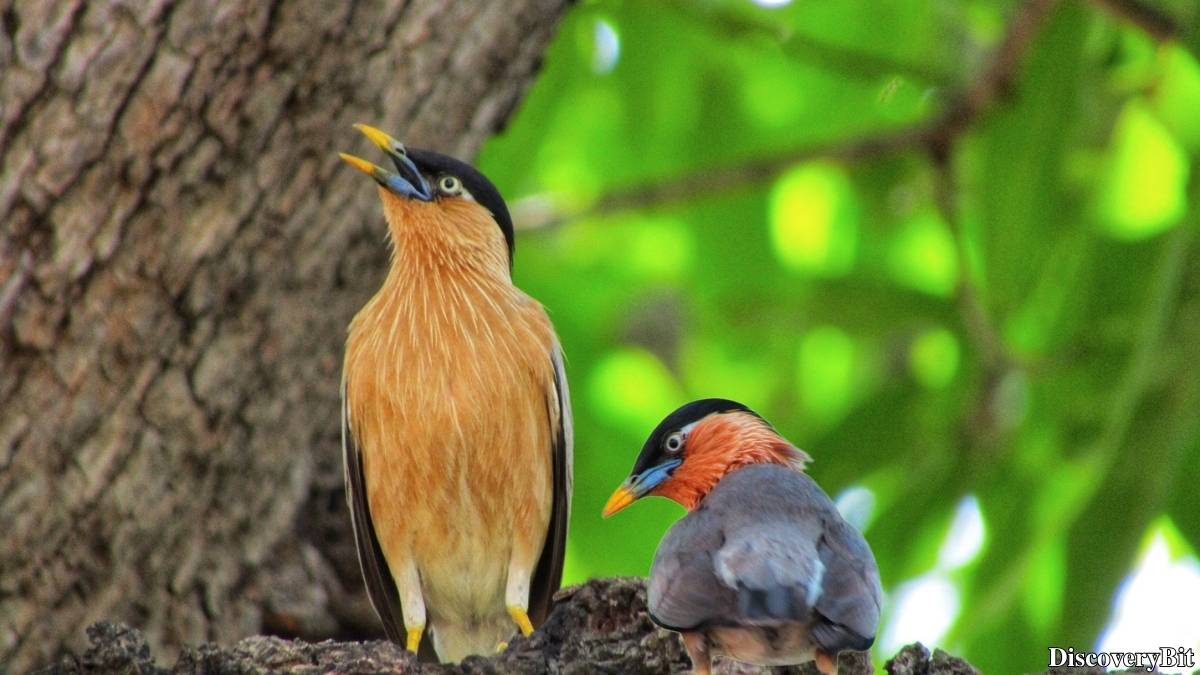
Starlings form a murmuration, describing their breathtaking aerial displays in synchronized patterns. The word reflects the beauty and mystery of one of nature’s most mesmerizing spectacles. This is an elegant name of the group of animals.
114) Stingrays
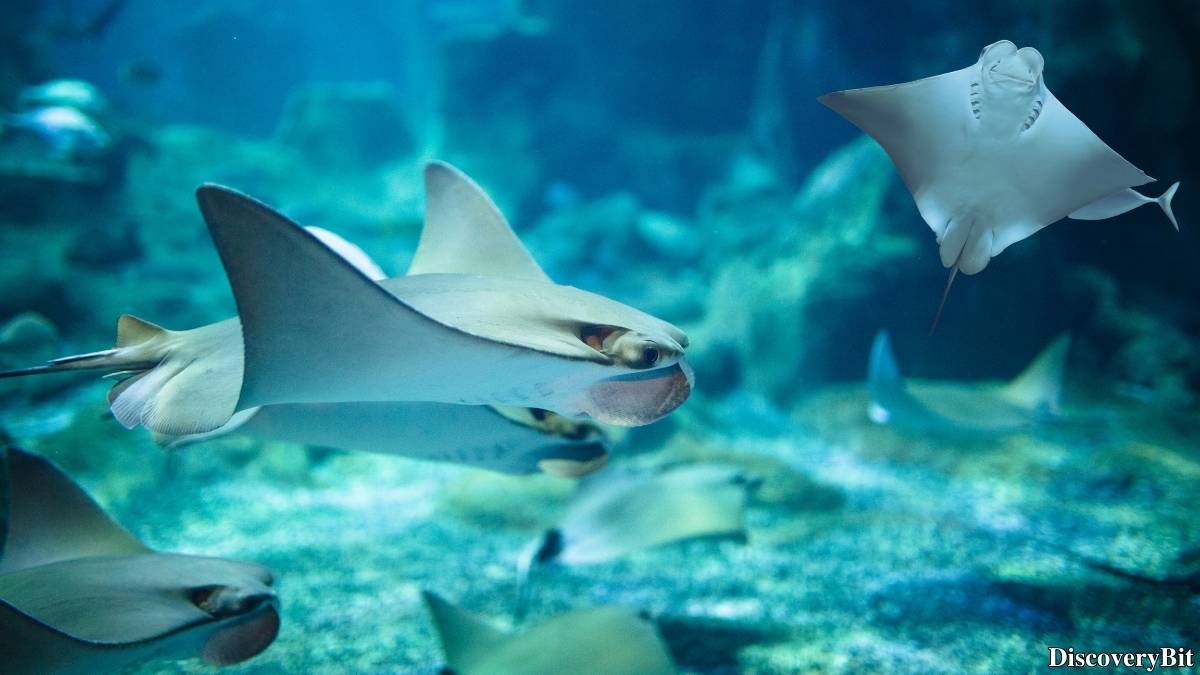
A group is a fever or a school. Fever captures the unease they inspire. This fact is useful for creating flashcards with animal pictures and their group names.
Tags: Explain the meaning of the Name of the group of animals Give me the history of collective nouns Name of the group of animals Summarize the cultural symbolism behind unusual collective nouns


