
20) Cheetahs
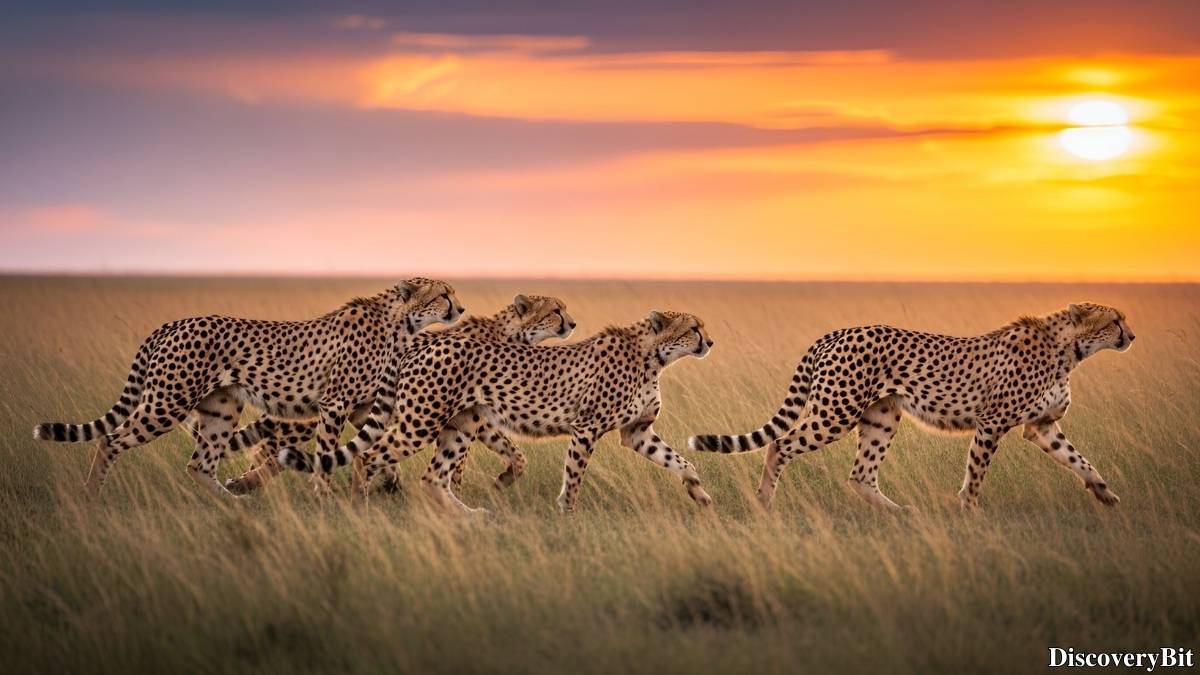
Male cheetahs often form a coalition, a rare strategy. This term underscores their cooperative hunting and territorial defense, a tactic enhancing survival. This is a great, less-known fact for a trivia game with multiple-choice questions about collective nouns.
21) Chickens
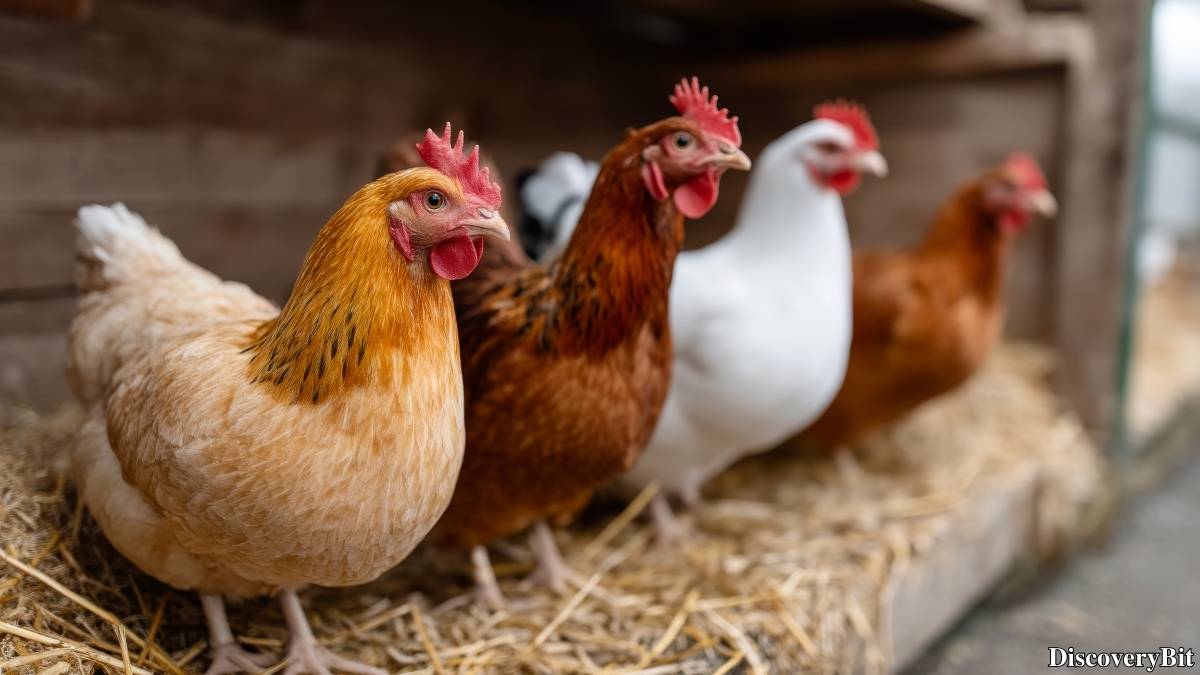
A group is a brood (a mother hen’s chicks) or peep (the sound of young). This entry provides key facts to draft a children’s book page explaining what a “kindle of kittens” means, by contrast.
22) Clams
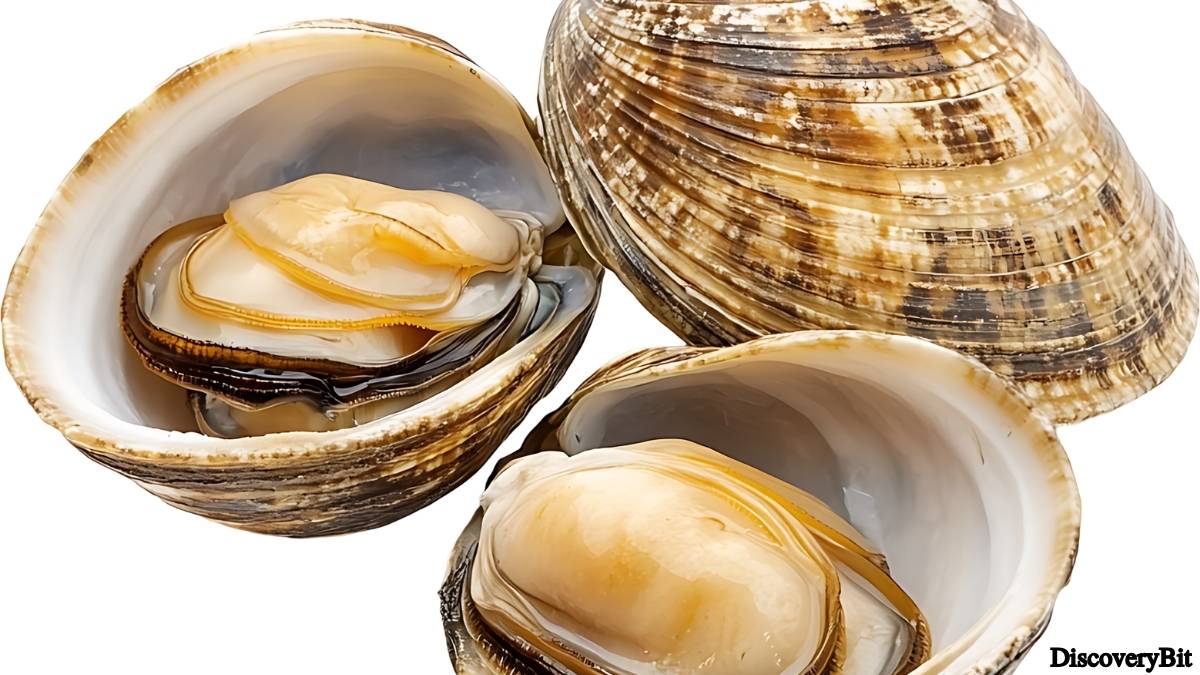
Clams form a bed, reflecting their sedentary lifestyle. These dense colonies collectively filter water and sustain critical marine ecosystems. The name reflects the stationary nature of the group of animals.
23) Cobras
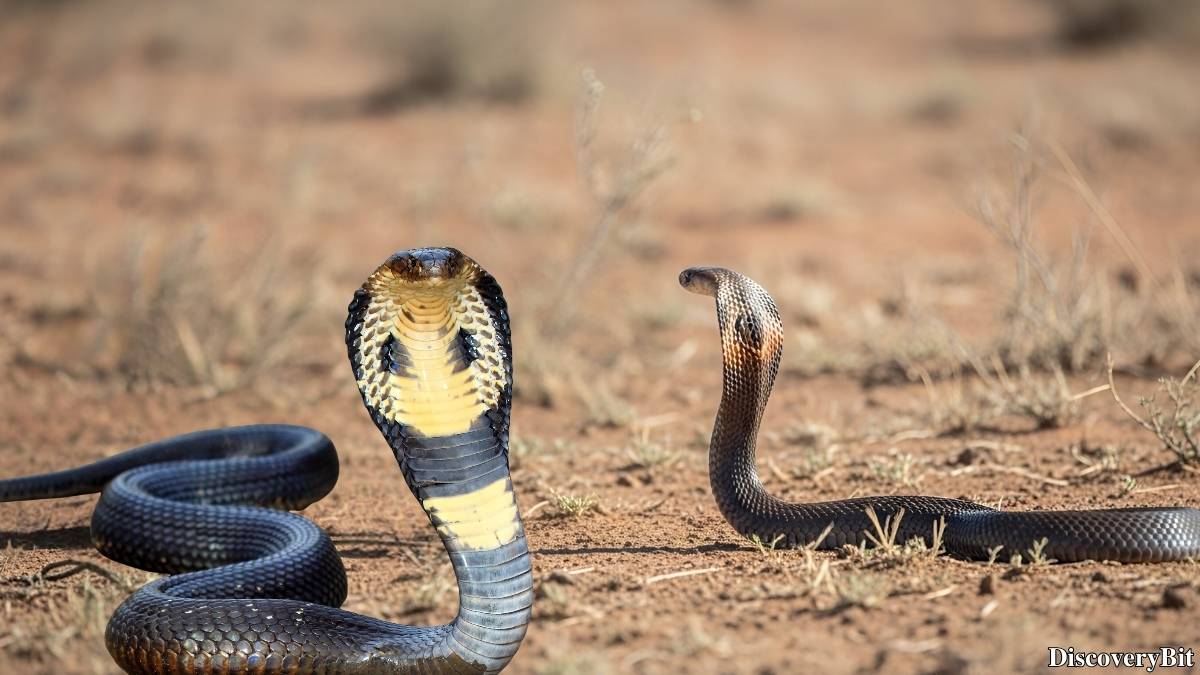
A group is a quiver, a strikingly poetic term. It evokes the image of arrows ready to strike, highlighting their lethal grace and the fear they inspire. This is a strong example for summarize the cultural symbolism behind unusual collective nouns.
24) Colts
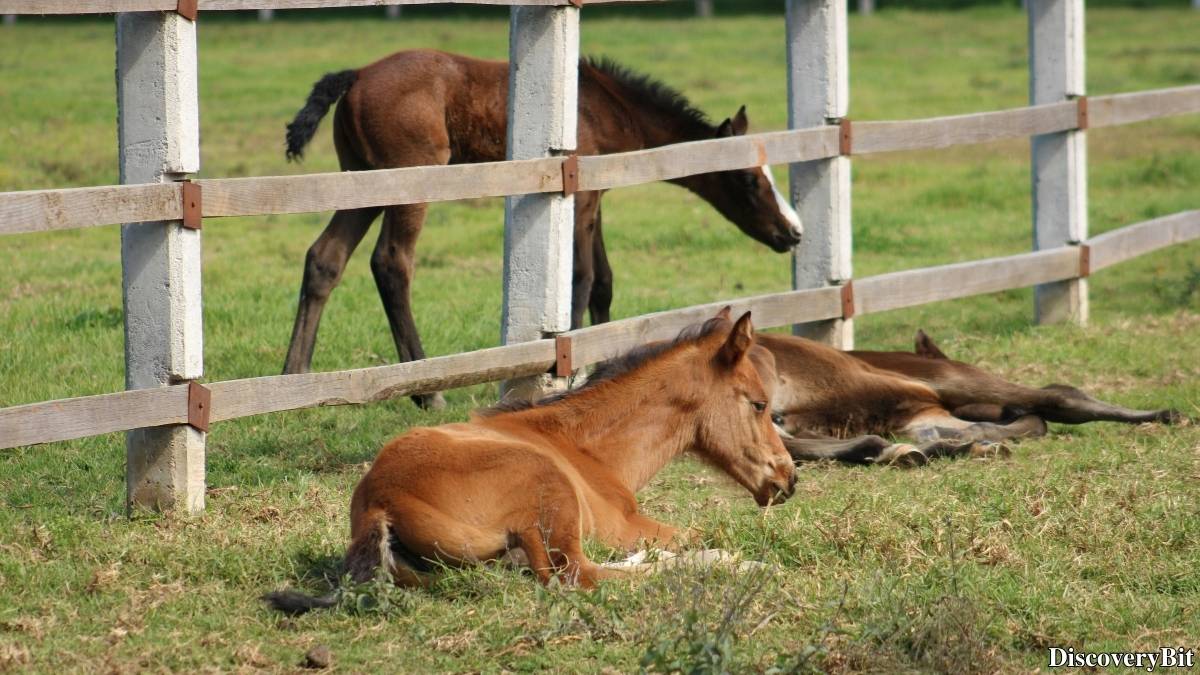
Colts gather in a rag, a curious medieval term. It may derive from “ragged,” reflecting the unruly, playful nature and spirited energy of young horses before they mature into disciplined steeds.
25) Cows
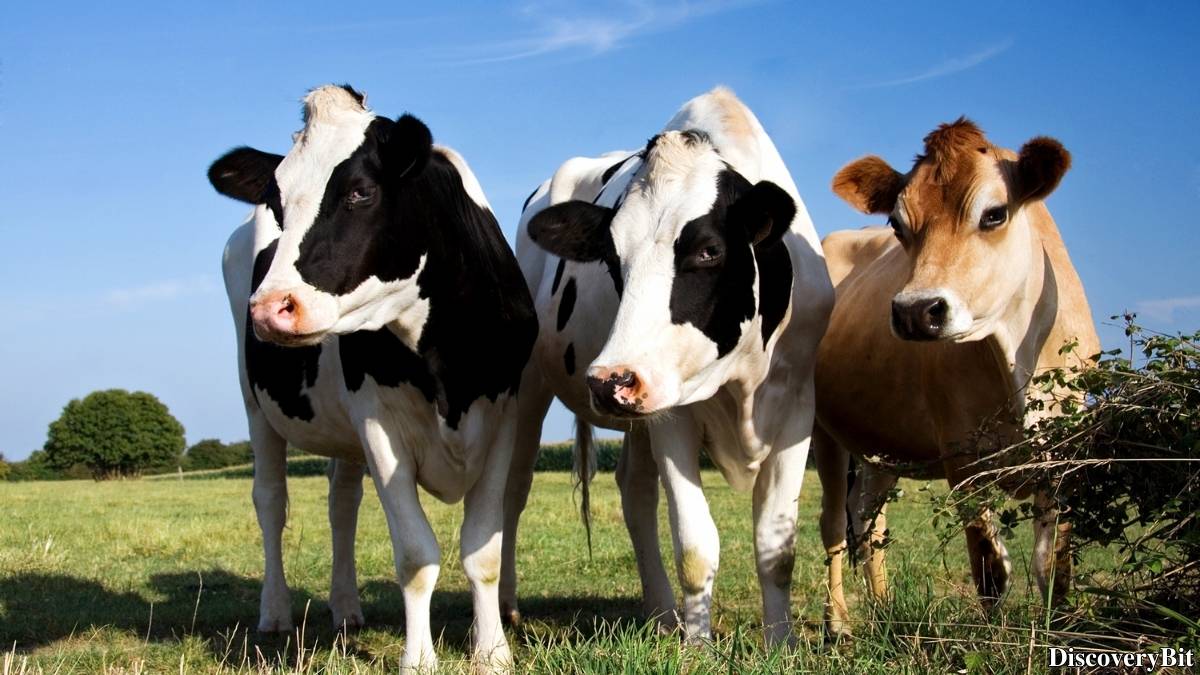
Cows can be a herd or drove. Twelve or more cows are a rare term called a flink. This unique name should be included in a humorous article about the strangest names of the group of animals.
26) Coyotes
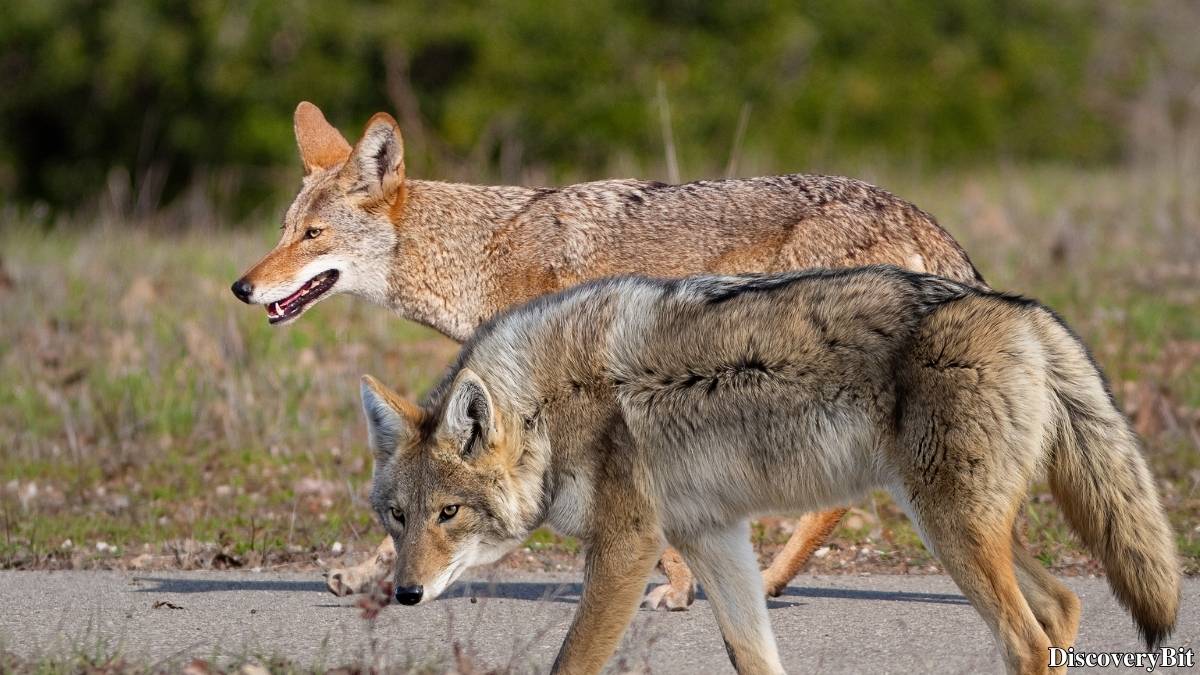
Coyotes form a band, reflecting their loose but cooperative social structures. Bands gather for protection and raising pups, underscoring their resilience and high adaptability. This is a functional name of the group of animals.
27) Cranes
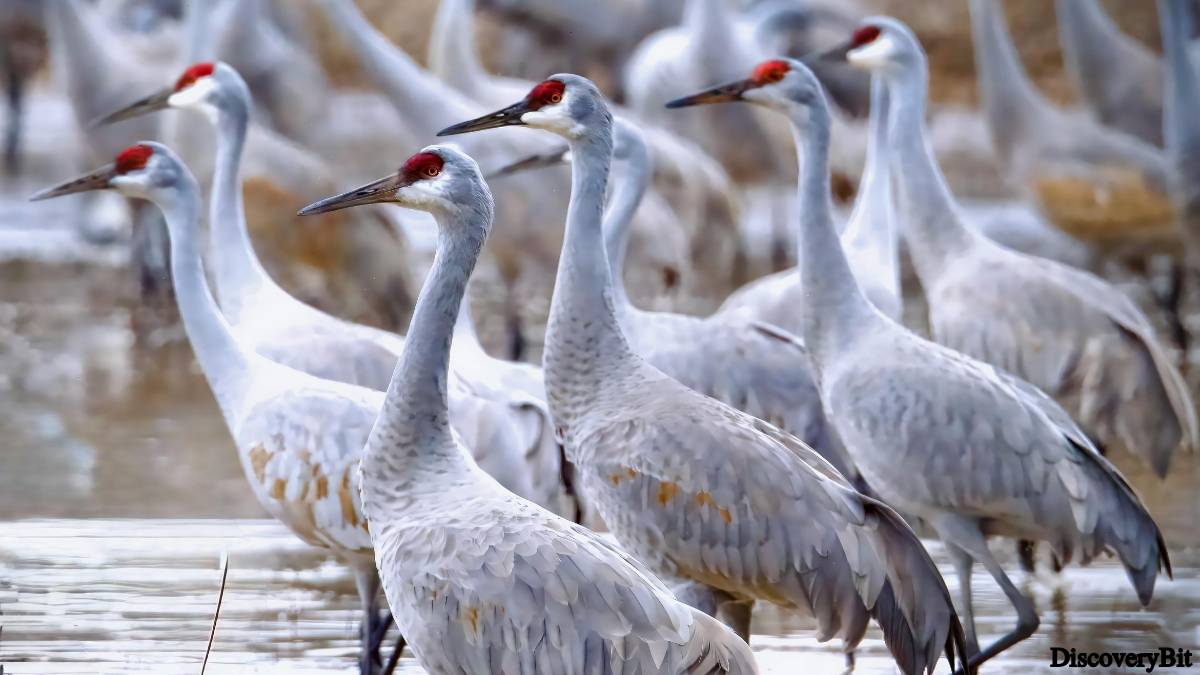
A group is a sedge, borrowed from the wetland plant where cranes are found. The word evokes their elegance and their gatherings, symbolizing grace and longevity in many cultures. This entry provides history for the prompt Give me the history of collective nouns.
28) Crocodiles
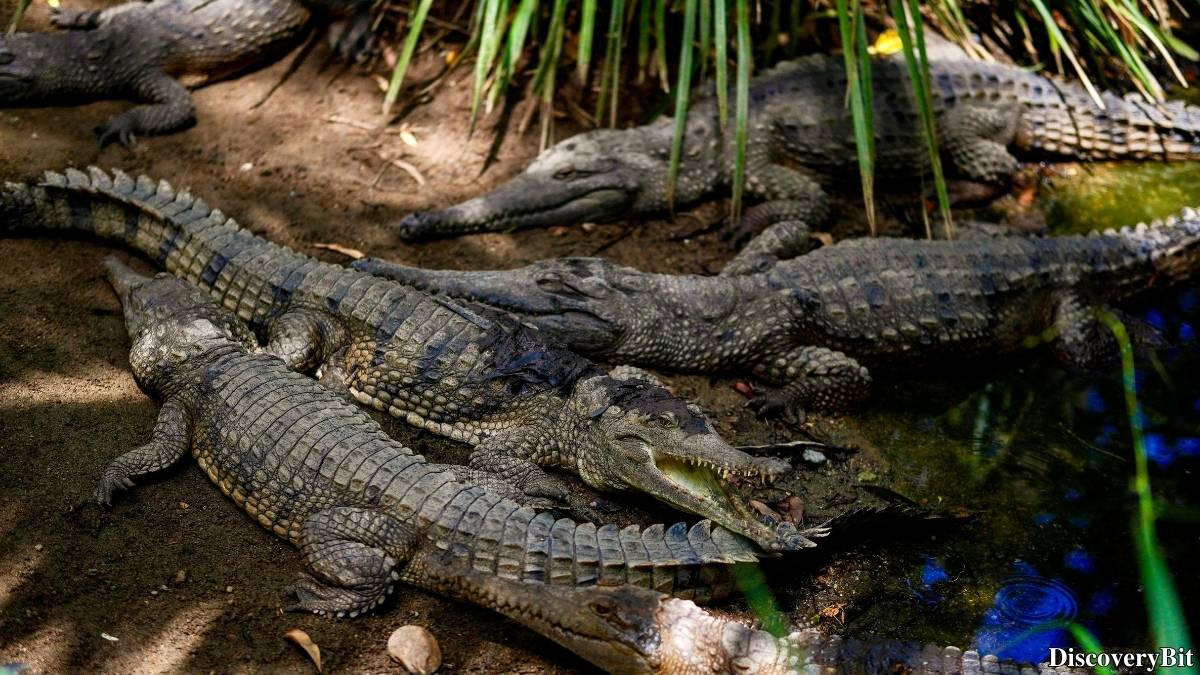
Crocodiles form a float (drifting silently) or bask (sunning). Both terms highlight their dual nature: stealthy predators in water and patient reptiles on land. This fact could be used to write a short story that uses at least ten collective nouns for animals.
29) Crows
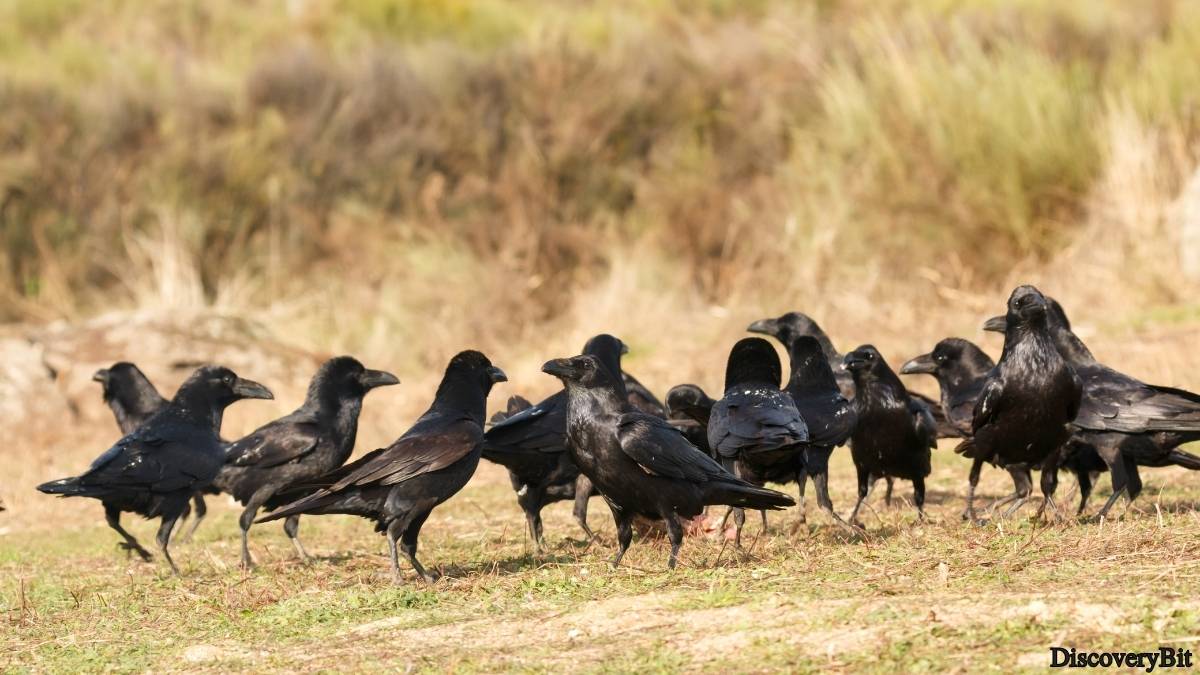
A group of crows is famously called a murder, one of the most evocative collective nouns in English. The term originates from medieval superstition, where crows were associated with death and ill omens. While scientists prefer “flock,” “murder” endures in folklore, capturing the eerie presence of these intelligent birds.
30) Deer
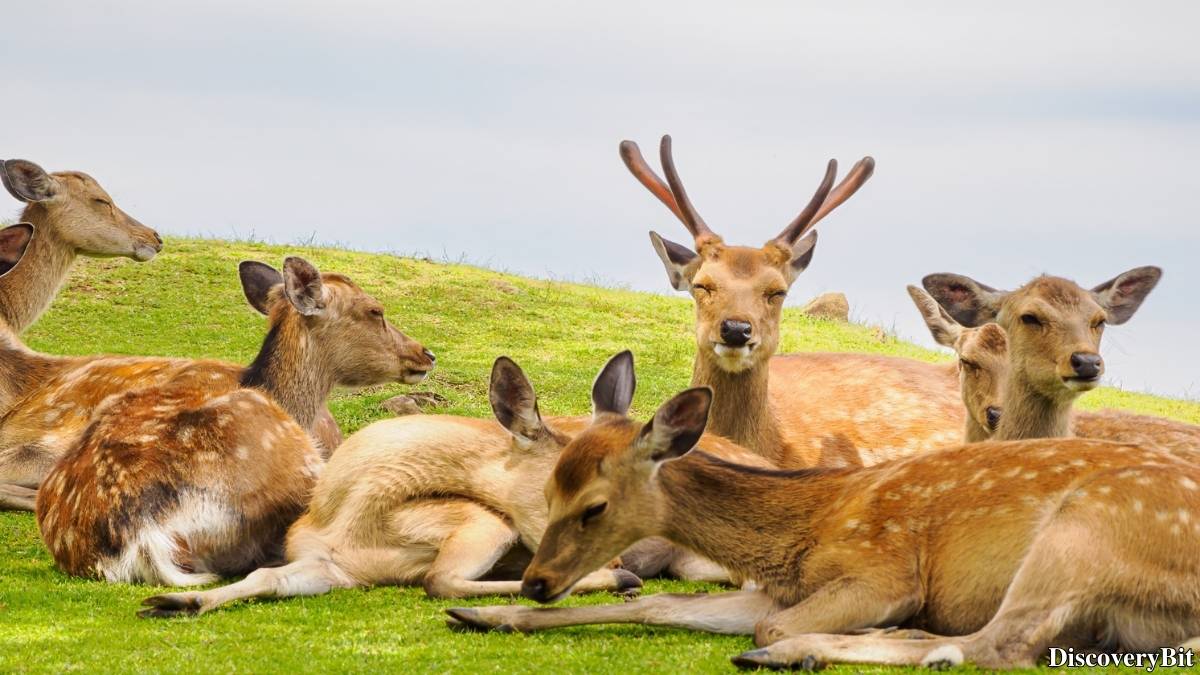
Deer form a herd, emphasizing their collective grazing and providing safety in numbers. This term reflects their gentle image, symbolizing grace and vigilance. This fact is useful for creating a quiz about animal group names for students.
31) Dogs
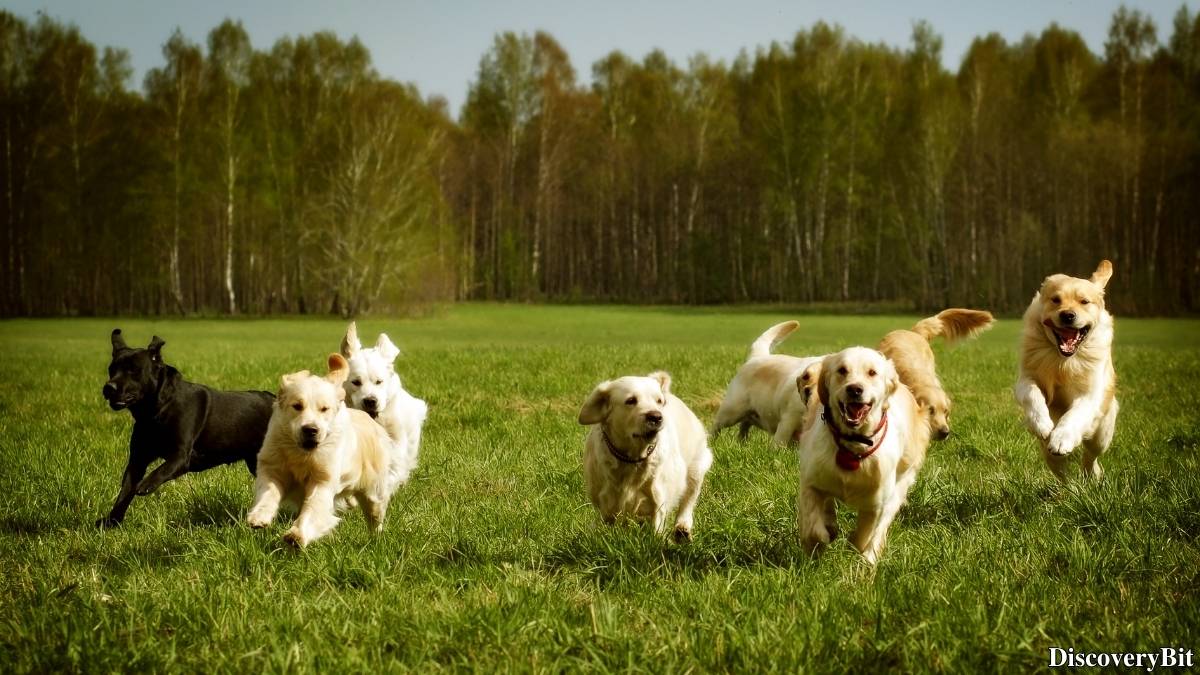
A group is a pack (cooperative hunting) or a medieval cowardice. This entry is useful for creating flashcards with animal pictures and their group names, contrasting the strong image of the wolf-like pack with the unusual ‘cowardice.’
32) Dolphins
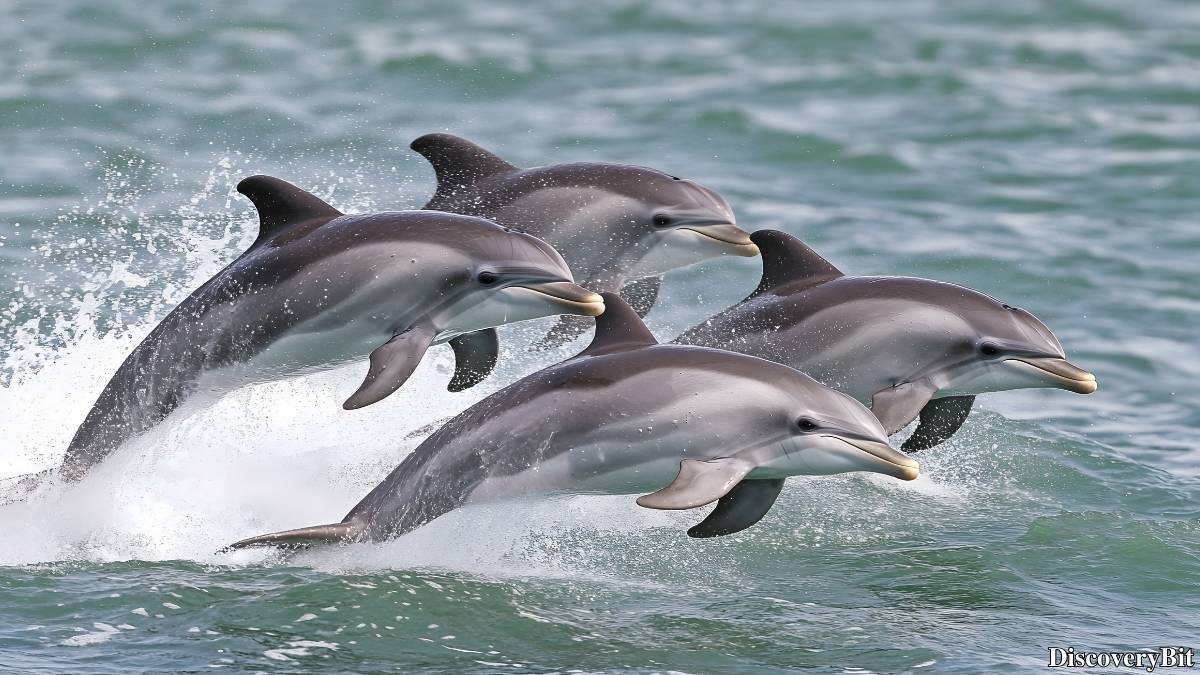
Dolphins form a pod, conveying intimacy and intelligence. Pods are highly social, working together to hunt, reflecting their reputation as one of the ocean’s most cooperative and communicative species.
33) Donkeys
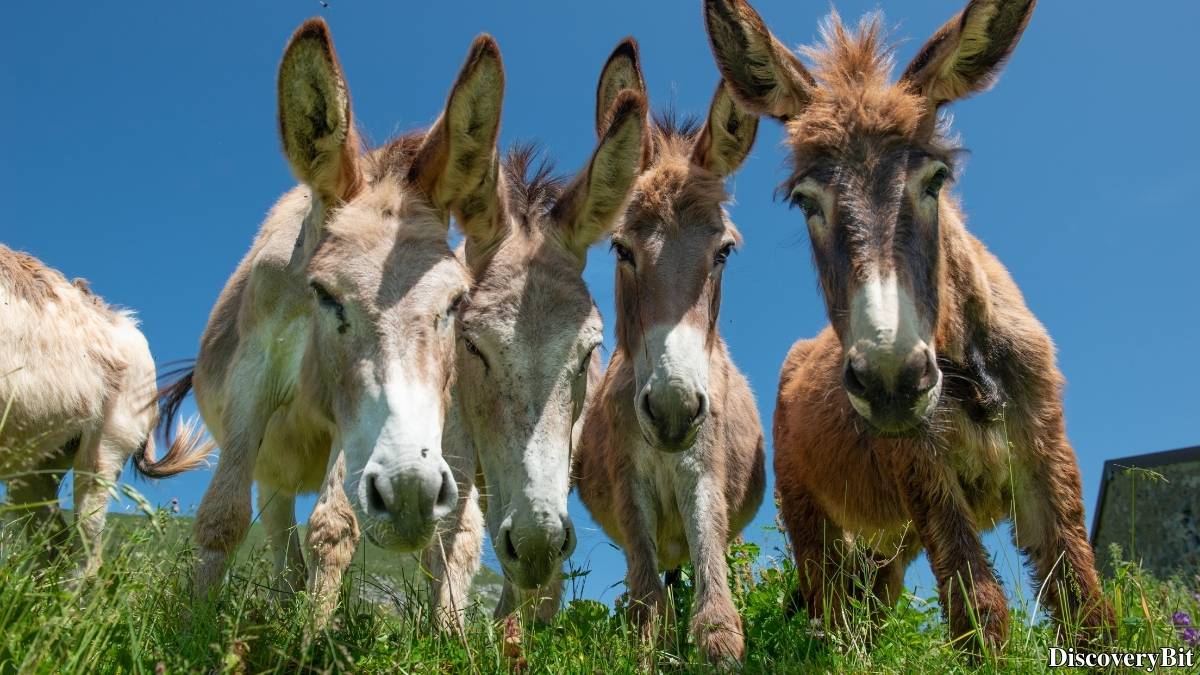
Donkeys form a drove, rooted in agricultural tradition. The term reflects their established role as beasts of burden, valued for their endurance and resilience under human guidance. This is a common name of the group of animals.
34) Doves
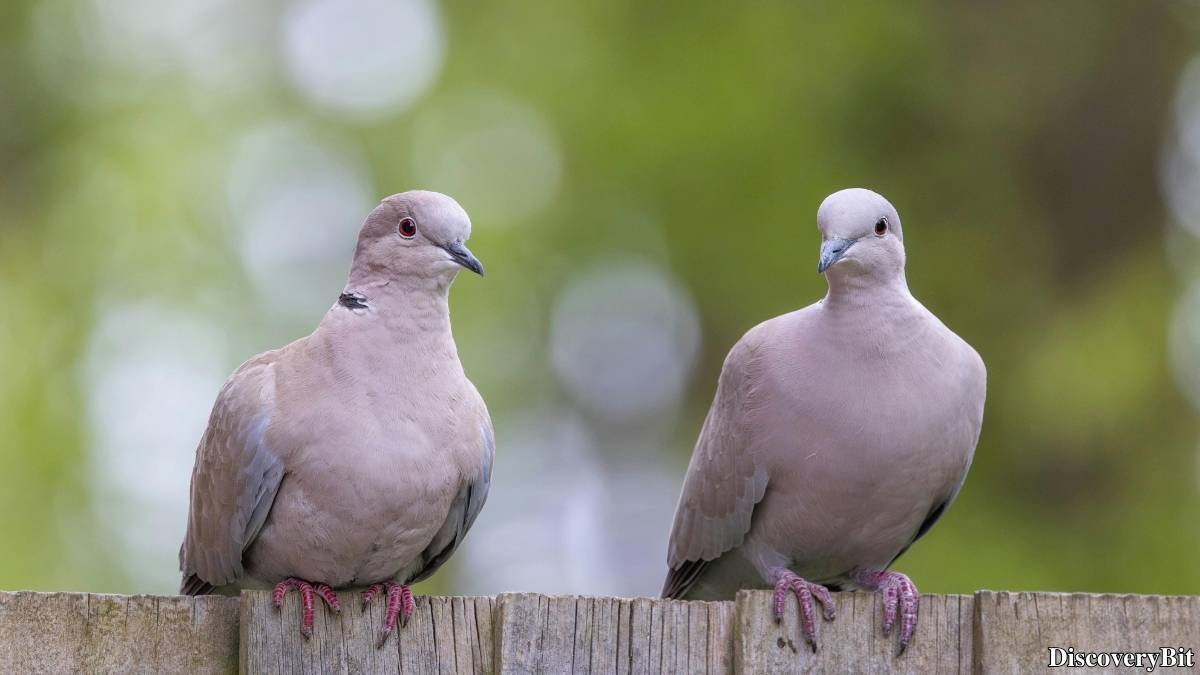
A group is a dule, an old English term meaning sorrow. This poetic noun links their gentle cooing to lamentation, capturing their dual symbolism associated with peace, love, and grief. This is great for summarizing the cultural symbolism behind unusual collective nouns.
35) Ducks
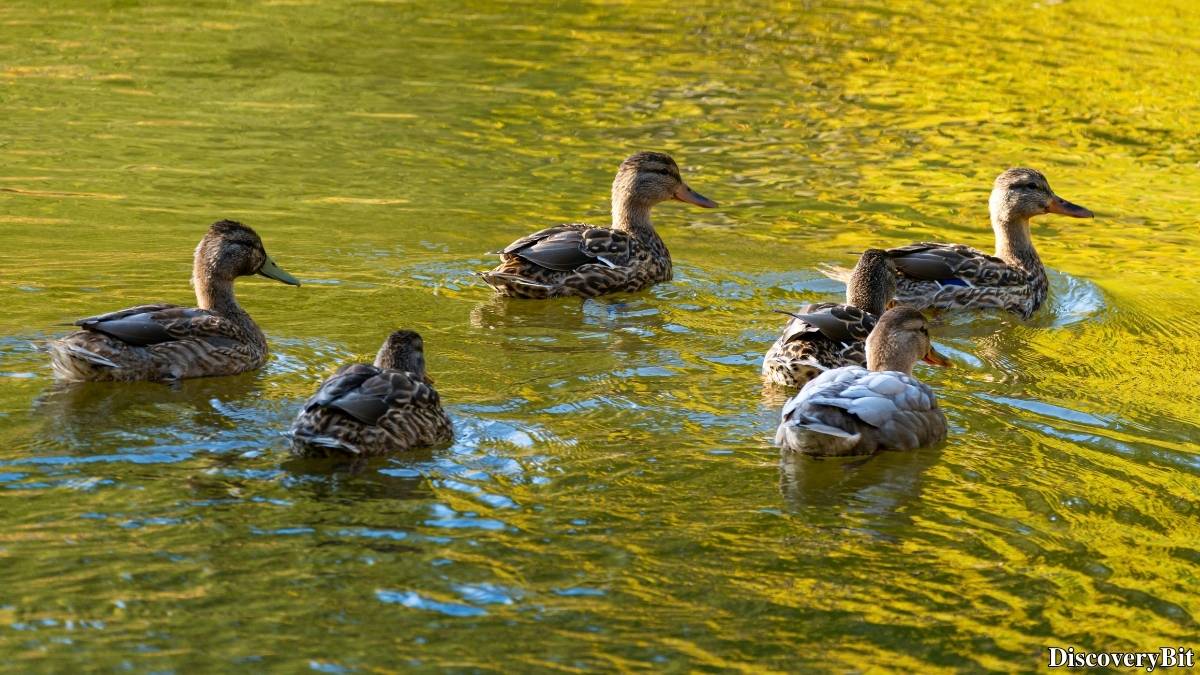
A group can be a brace, paddling, or team. These terms reflect ducks’ high adaptability across water, land, and air environments. This fact is simple enough to be used in generating riddles where the answer is the name of the group of animals.
36) Eagles
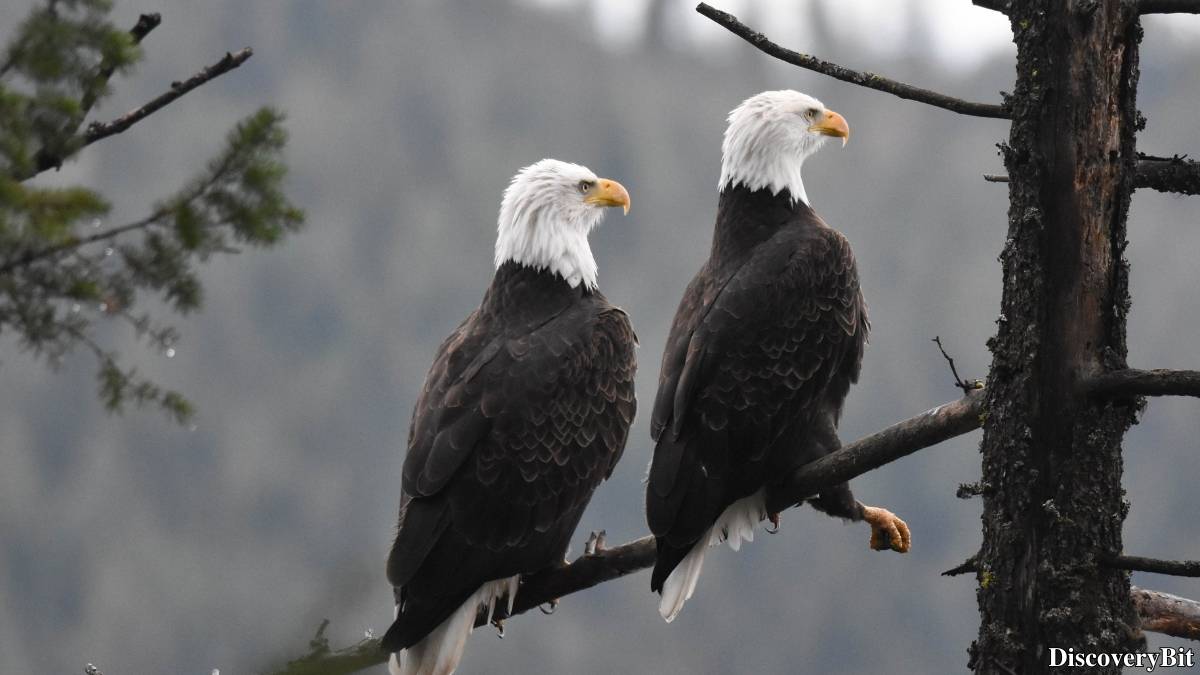
Eagles form a convocation (formal gathering) or a soar (majestic flight). The terms reflect their majestic presence and their symbolism of power, vision, and authority. This is a regal name of the group of animals.
37) Elephants
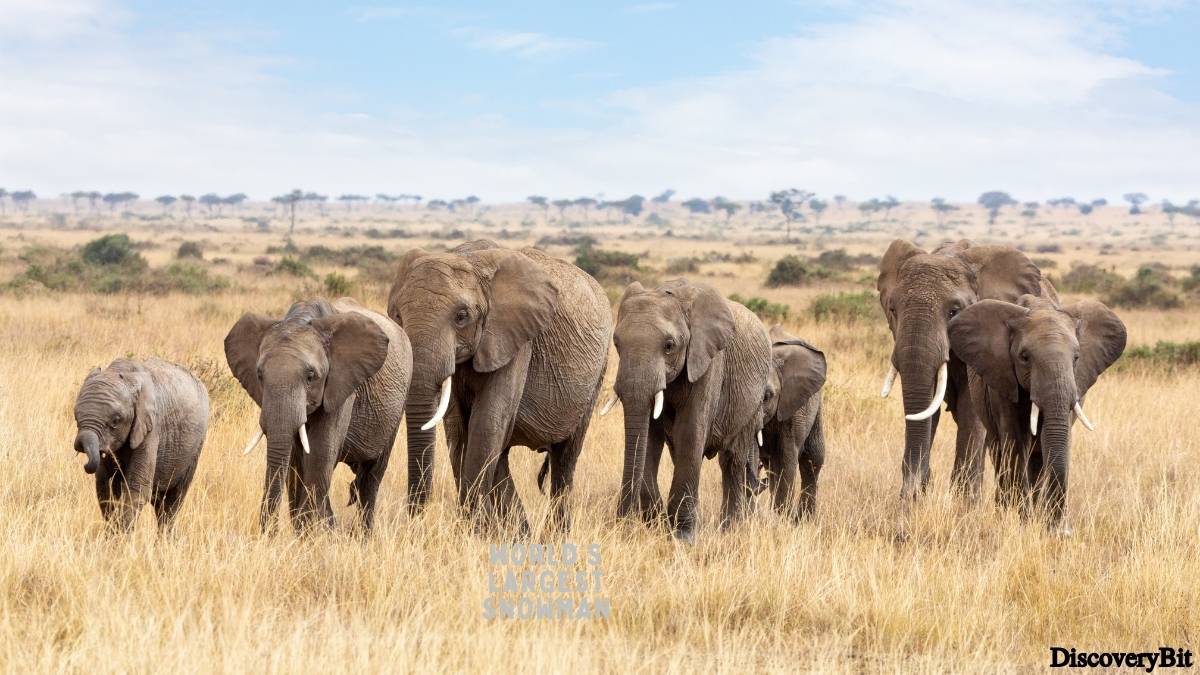
A group is a herd or parade. Parade captures their grand, dignified movement. Both terms highlight their intelligence, memory, and complex social structure led by matriarchs. This is an example of a name of the group of animals reflecting movement.
38) Elk
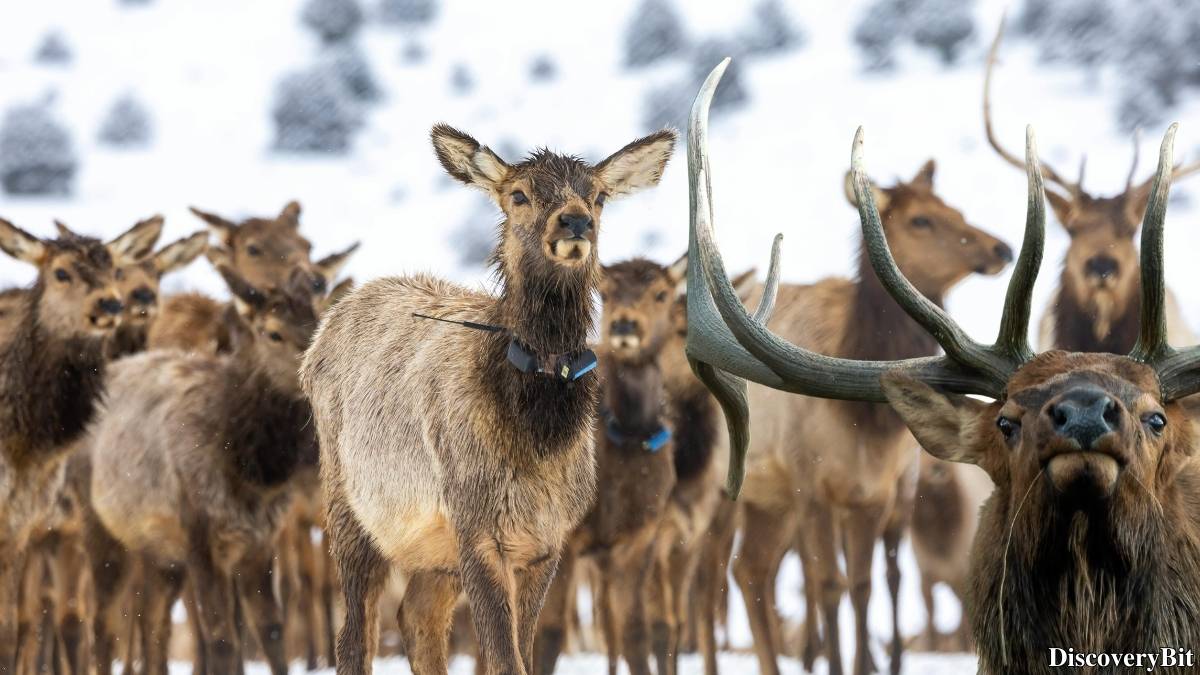
Elk form a gang or herd. The words capture elk’s dual nature as both majestic and formidable, reflecting their movement across forests and plains. This is a common name of the group of animals.
39) Emus
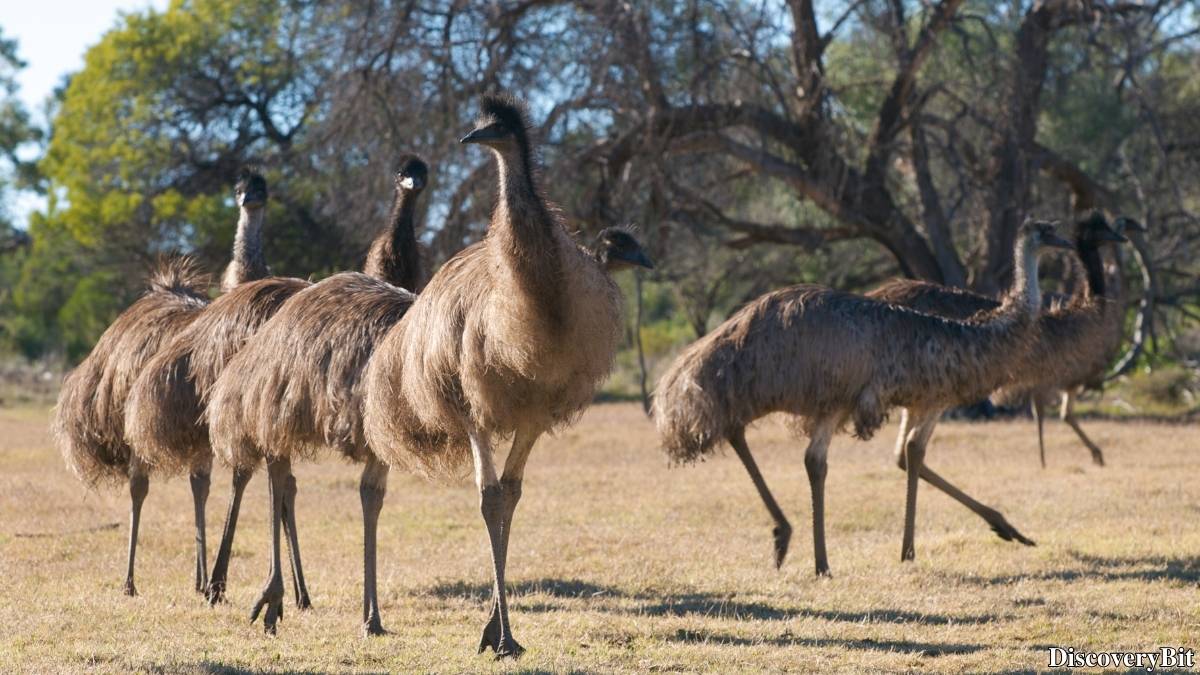
Emus form a mob, a term reflecting their unpredictable, bustling energy. Mobs roam the Australian outback, underscoring their reputation as curious, restless birds. This is a regional name of the group of animals.
40) Falcons
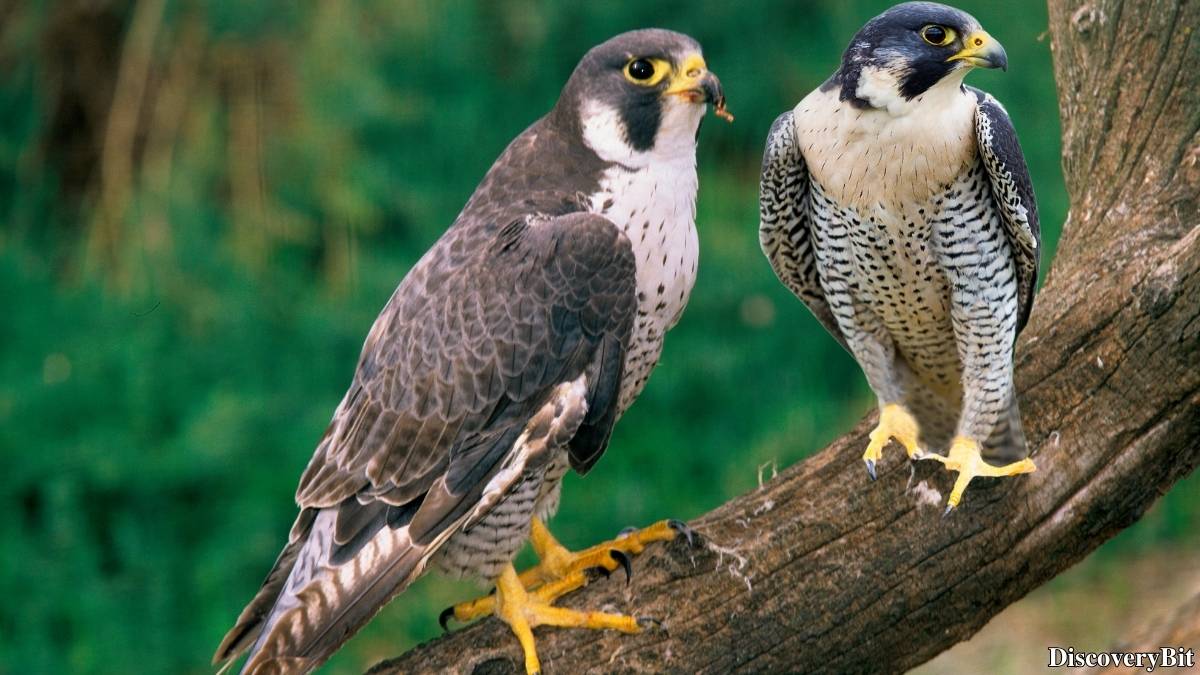
A group is a cast, a term from medieval falconry. The word highlights their association with nobility, their precision, speed, and cooperative flight in sport. This is a historical name of the group of animals.
Tags: Explain the meaning of the Name of the group of animals Give me the history of collective nouns Name of the group of animals Summarize the cultural symbolism behind unusual collective nouns


