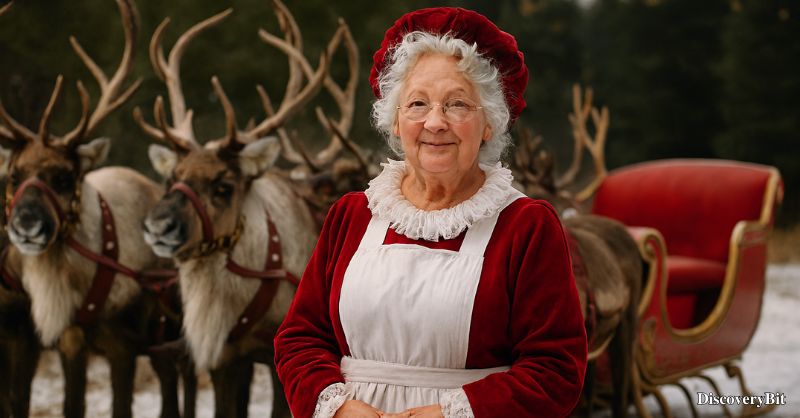
When the snow falls and the sleigh bells ring, Santa Claus takes center stage, but he is only half the story. It is long overdue to shine a spotlight on his legendary partner, Mrs. Claus, a figure far more historically adventurous, dynamic, and frankly, compelling than her quiet reputation suggests. She is no mere supporting character.
Mrs. Claus has enjoyed a fascinating, nearly two-century evolution since her first literary appearance in 1849. Her journey through culture and media has been anything but predictable, featuring surprisingly bizarre outfits in early literature, taking on militant roles in plays, and even starring in her own modern musicals. She has consistently proven her independence, capability, and sheer star power.
In this deep dive, we will explore her surprising origins, trace her groundbreaking film and television appearances, and see how she has become a powerful symbol of modern holiday cheer and inclusivity. Get ready to discover the rich, untold story of this true Christmas legend, a story that begins long before she ever met the man in red.
Note: Some of the images used in this post may have been digitally altered for illustrative purposes and may not depict actual conditions or events.
History of Mrs. Claus’s Origins
A) First Appearance (1849):
Mrs. Claus first slipped into Christmas lore in James Rees’s short story A Christmas Legend. Though disguised, she was already part of the Santa narrative. Rees’s tale featured a mysterious elderly woman assisting Santa. Although her identity as Mrs. Claus was not explicitly stated, her presence as an integral female partner working alongside Santa in his Christmas efforts marks the earliest known fictional inclusion of a figure fulfilling her role.

B) First Mention by Name (1851):
The Yale Literary Magazine gave her a proper title, referring to her as Mrs. Santa Claus. In an early piece of student writing, the magazine formally used the name “Mrs. Santa Claus” for the first time in print. This official naming was a crucial step in cementing her identity and establishing her permanent place as a recognized figure in American Christmas folklore.

C) Early Public Appearance (1854):
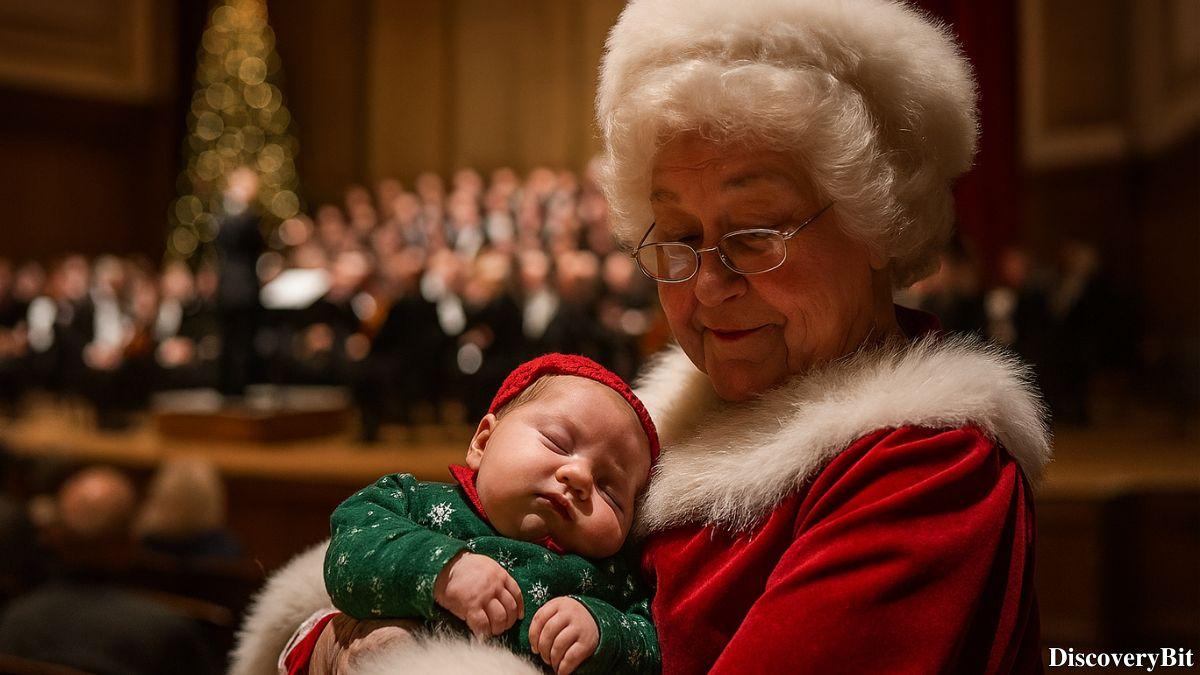
She appeared with a baby at a Christmas musicale in Utica, New York, a rare early public sighting. This public event featured an actress portraying Mrs. Claus alongside Santa, holding a baby. This early, public dramatization established her not only as Santa’s companion but also as a maternal figure, subtly adding the idea of a family dynamic to the North Pole mythology.
D) Literary References (1862 & 1864):
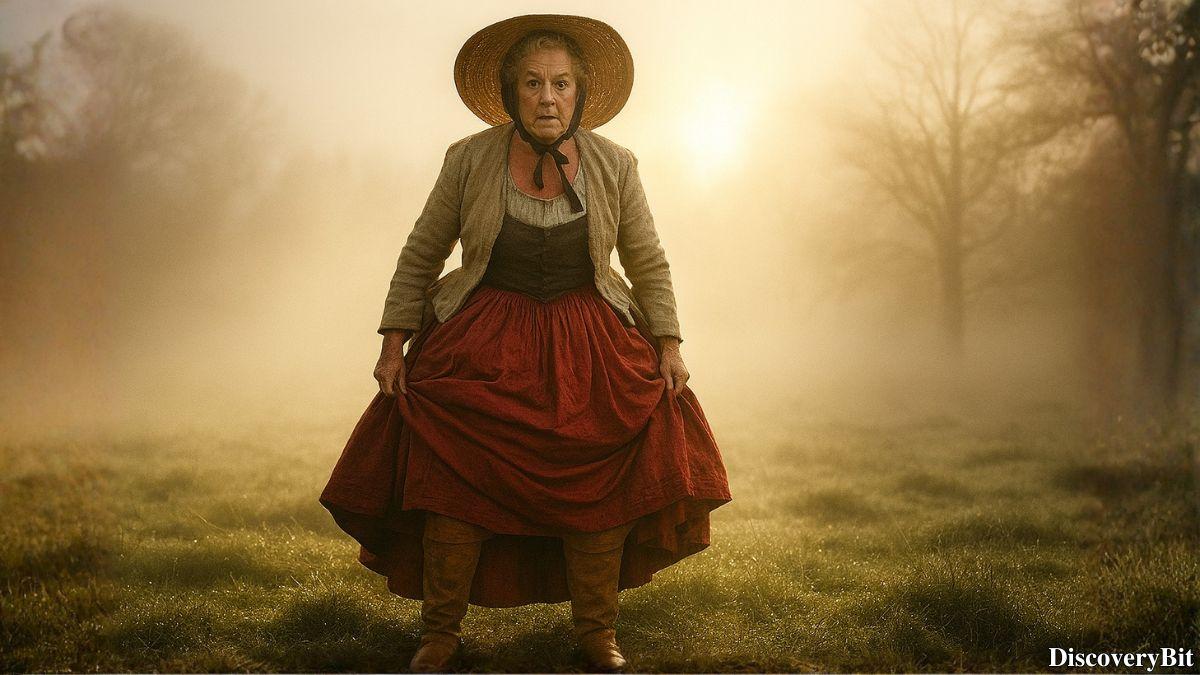
Briefly mentioned in Harper’s Magazine (1862). In The Metropolites (1864), she appeared in a dream sequence wearing a bizarre outfit: Hessian high boots, red petticoats, and a straw bonnet. These brief mentions highlight her nascent presence in popular literature. The 1864 description, though strange, shows writers were actively imagining and defining her unique, if unconventional, appearance and establishing her as a character distinct from Santa.
E) Role in Santa’s Office (1878):
In Lill in Santa Claus Land and Other Stories, she may have been the lady diligently writing in the “naughty-or-nice” ledger. This reference suggests Mrs. Claus held an administrative role, helping Santa manage the massive logistics of Christmas. Her involvement with the “naughty-or-nice” list implies she was a key, trusted partner with significant insight and authority in the judging process.

F) Detailed Domestic Description (1887):
Architect Eugene C. Gardner dreamed of Mrs. Claus in unconventional attire, a corrugated hood and plaid cloak, while she instructed him on designing the ideal modern kitchen. Gardner’s detailed account, though a dream, emphasized Mrs. Claus’s domestic expertise and modern sensibilities. Her instructing an architect on kitchen design solidified her image as the capable, innovative, and authoritative homemaker of the North Pole.

G) Most Active Literary Role (1889):
Katharine Lee Bates’s poem Goody Santa Claus on a Sleigh Ride made her the protagonist, giving her agency and voice. (“Goody” was a term for “Mrs.” at the time.) Bates’s poem gave Mrs. Claus, referred to as “Goody,” her first prominent, proactive narrative. She takes the sleigh out herself, finds lost gifts, and saves the day, making her a protagonist with clear agency and a powerful, compassionate voice in the Christmas legend.

Popular Media & Interpretations
20th-Century Literature
A) Mrs. Santa Claus, Militant (1914 play by Bell Elliott Palmer). This one-act play features a strong Mrs. Claus who takes charge when Santa considers retirement. She rallies the gnomes to modernize and save the workshop, demonstrating her competence and authority in managing the North Pole operations.

B) The Great Adventure of Mrs. Santa Claus (1923 story by Sarah Addington). Addington’s tale sees Mrs. Claus embark on a solo adventure, taking a test flight of the sleigh. Her mission to bring the children of the world happiness and toys when Santa is ill established her as an independent figure capable of handling the Christmas duties herself.
C) How Mrs. Santa Claus Saved Christmas (1963 children’s book by Phyllis McGinley). In this story, Mrs. Claus notices that Santa has forgotten to include the Christmas star. She races to find it before Christmas morning, highlighting her attention to detail and her essential role in ensuring the Christmas spirit is complete and delivered successfully.

Notable Recordings
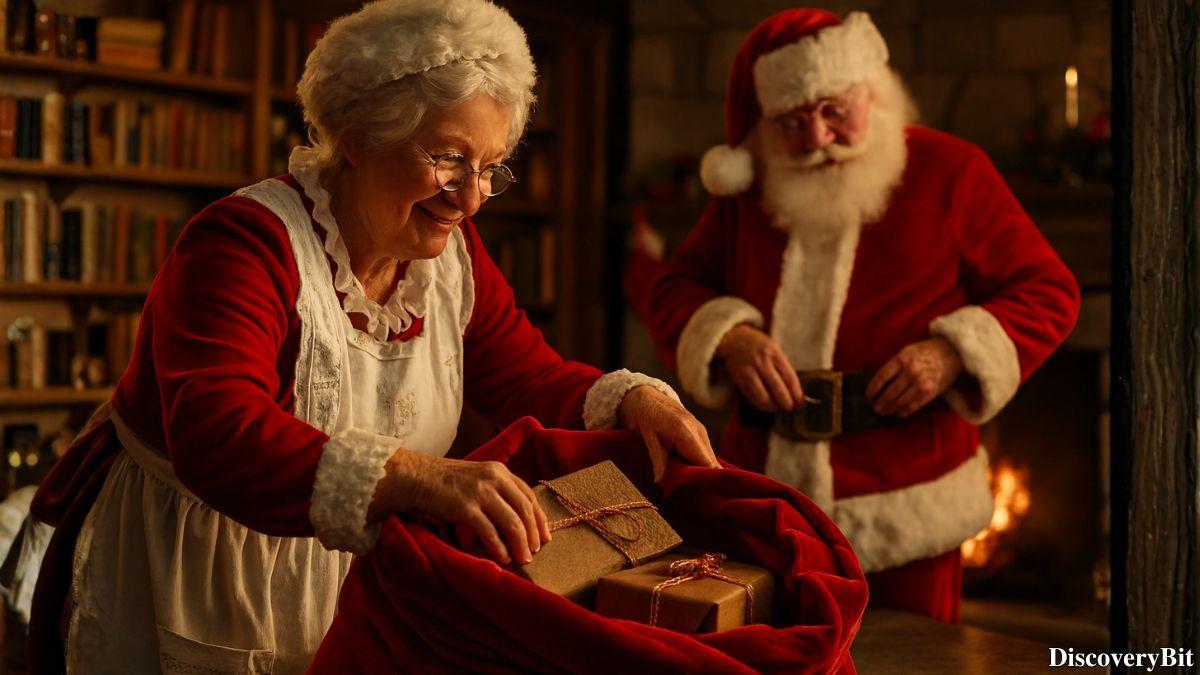
A) Nat King Cole’s 1953 song “Mrs. Santa Claus”. Cole’s cheerful song presents Mrs. Claus as a loving, traditional helpmate to Santa. The lyrics describe her as busy preparing for Christmas Eve by packing Santa’s bag and ensuring his trip goes smoothly, underscoring her supportive backstage role.
B) Cheech and Chong’s 1971 comedy hit “Santa Claus and His Old Lady”. In this counterculture comedy routine, Mrs. Claus is a much more contemporary, cynical figure. She’s portrayed as nagging Santa, contrasting sharply with traditional depictions and reflecting the comedic duo’s irreverent and satirical style.

Major Film & TV Interpretations
A) Voiced by Shirley Booth in the 1974 stop-motion classic The Year Without a Santa Claus. Booth gives Mrs. Claus a gentle but firm presence. She encourages Santa when he loses his spirit and sends two elves out to find proof of Christmas cheer, making her the driving, optimistic force that ultimately saves Christmas.

B) Brought to life by Angela Lansbury in the 1996 live-action musical Mrs. Santa Claus, where she took center stage. Lansbury plays Anna Claus, who leaves the North Pole for New York in 1910. Her adventures help solve social issues like child labor, cementing her as an independent, pioneering heroine with a strong social conscience beyond her Christmas duties.

Modern Interpretations
A) Feminist Take (2016): Marks & Spencer’s campaign reimagined Mrs. Claus as a modern, independent figure, warmly received by audiences. This holiday ad featured Mrs. Claus, dressed stylishly and flying a helicopter, who secretly delivers a gift to a deserving boy. The campaign successfully positioned her as a capable, cool, and proactive hero who takes charge while Santa is away, resonating with a desire for a more modern female icon.

B) Standalone Character (2018): Increasingly, Mrs. Claus began appearing as a character in her own right, not just Santa’s companion. Moving past her traditional supportive role, Mrs. Claus is now often given her own plot lines, motivations, and special skills in media. This shift acknowledges her individual importance and agency, positioning her as an equally vital, complex, and independent character in the Christmas narrative.
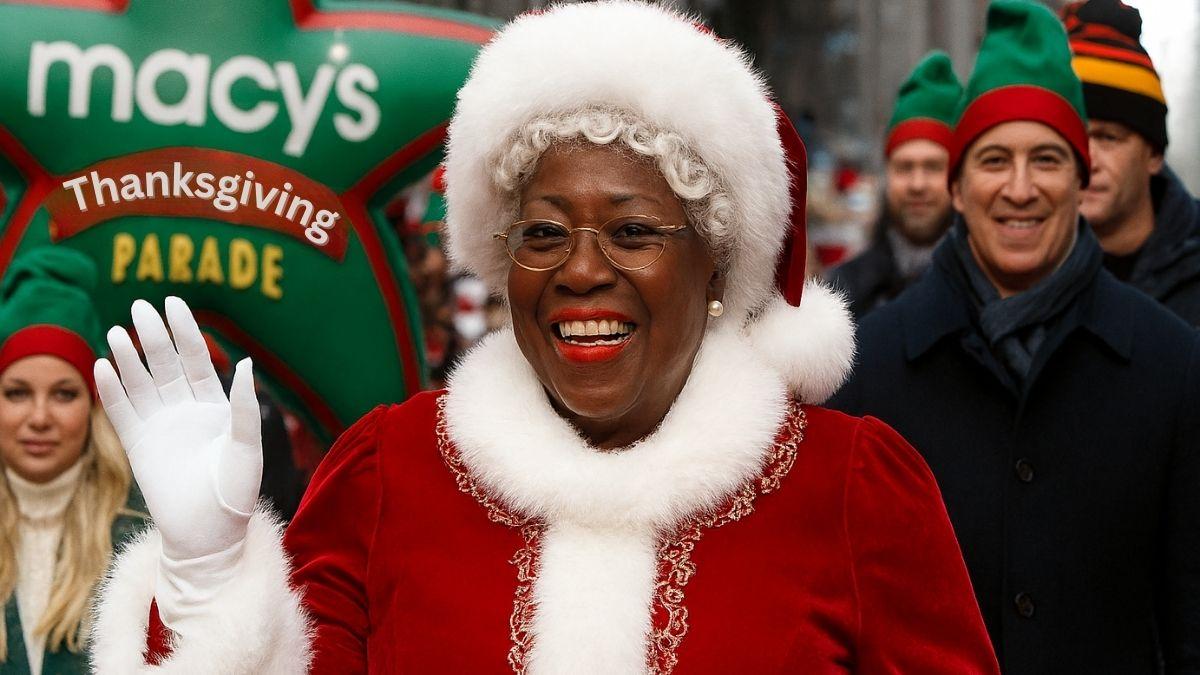
C) Macy’s Parade First (2023): Sheryl Lee Ralph made history as the first Black woman and celebrity to portray Mrs. Claus in the Macy’s Thanksgiving Day Parade. Ralph’s portrayal in the iconic parade was a major step for representation. It introduced a diverse, celebrity interpretation to the widely viewed annual event, reflecting a broader cultural move to update and diversify the traditional, often Eurocentric, imagery of the Christmas figures.
Why Mrs. Claus Matters
Mrs. Claus’s enduring journey from a quiet, supportive figure to a celebrated modern icon powerfully illustrates how cultural legends can evolve to reflect contemporary values. Her initial appearance in 1849 established her as a necessary domestic partner, but her role quickly expanded through early literary appearances, granting her agency and voice.
Today, she embodies independence, capability, and inclusivity. Media portrayals, like the 2016 feminist take and the groundbreaking 2023 Macy’s Parade representation, highlight her as a proactive hero rather than just Santa’s companion. Her rich history—filled with early, quirky outfits, administrative roles, and literary adventures—makes her an essential Christmas figure.
She is truly more than just the woman behind the man; Mrs. Claus is a pioneering legend in her own right, symbolizing the enduring power and evolving nature of holiday cheer.
Tags: Christmas Holiday Mrs Claus Santa helper