@dinohunter

Wilton Astudillo posted an update in the group
 Discovery 6 years, 4 months ago
The Sahara, 100 Million Years Ago, Was The Most Dangerous Place On Earth, Comprising Ferocious Creatures, Including Flying Reptiles And Crocodile-like Predators. This Is Based On The Biggest Scientific Review, In Almost 100 Years, Of Fossil Vertebrates From An Area Of Cretaceous Rock Formations, In Southeastern Morocco, Called The Kem Kem Group. <…
Paul Getty posted an update in the group
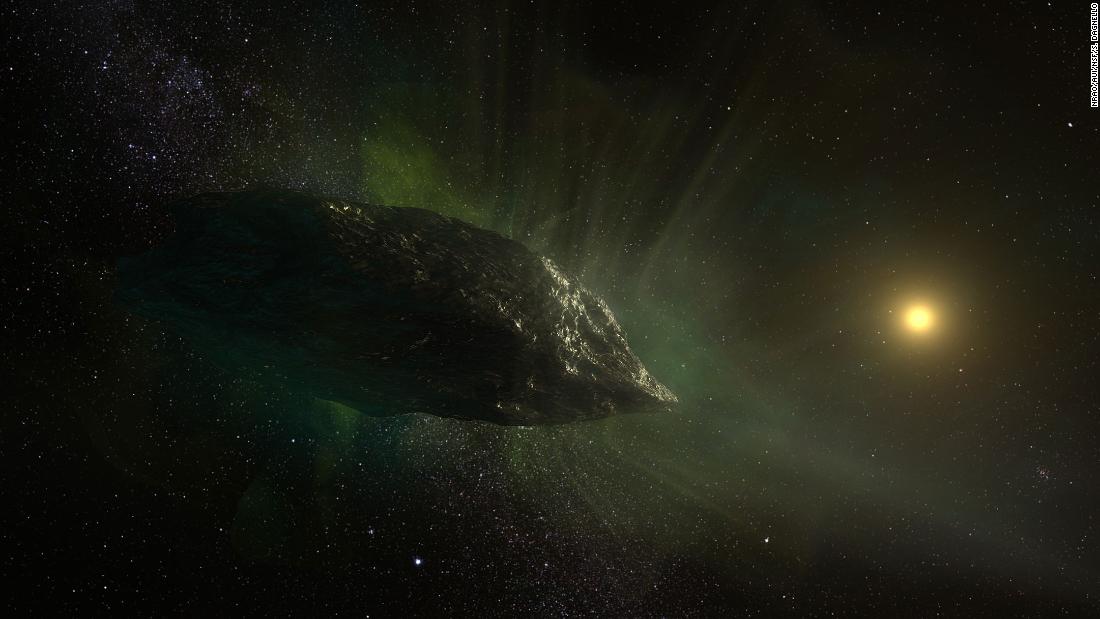
Discovery 6 years, 4 months agoThe Comet 2I/Borisov, From Another Solar System, Analyzed By Atacama Large Millimeter/Submil Limeter Array Of Telescopes (ALMA) In Chile, Has Similar Amounts Of Hydrogen Cyanide Like Our Average Comet, But Btw 9 To 26 Times Higher Carbon Monoxide Than Ours, Indicating It Formed At Lowest Space Temperatures, < -250 °C.
 Scientists…
 Jeff Goldblume posted an update in the group
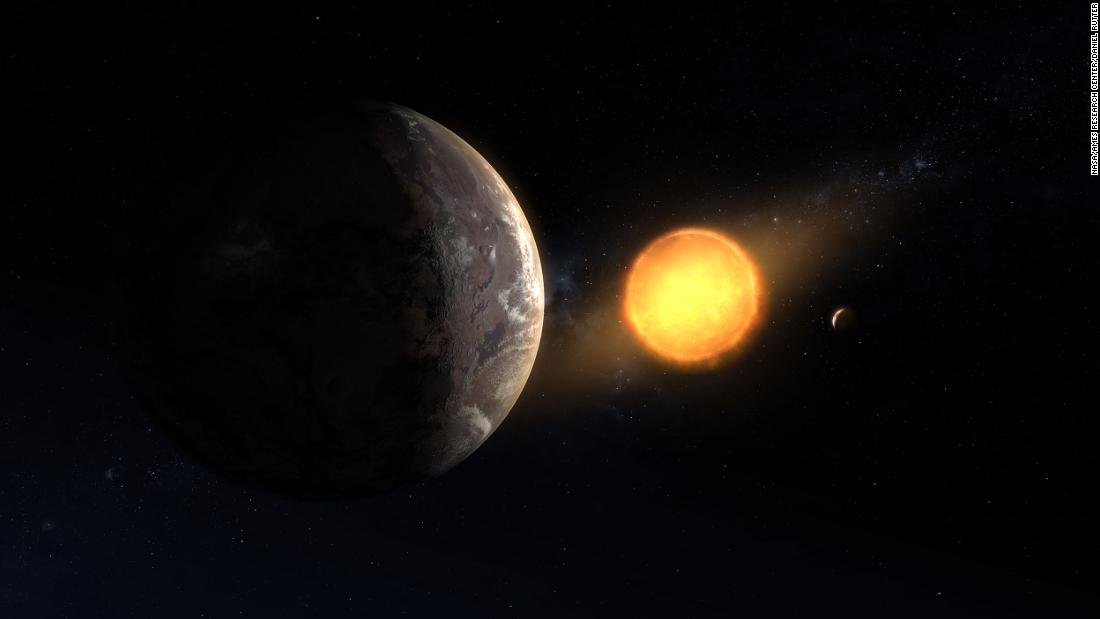
Discovery 6 years, 4 months agoA Potentially Habitable Planet, 300 LY From Earth, May Have Been Discovered By Kepler Telescope Btw 2009 And 2018. The Planet, Kepler-1649c, Is Said To Be 1.06X Larger Than Earth, And Within A Habitable Zone Of Its Dwarf Sun, Receiving 75% The Sunlight That Earth Gets From The Sun. Kepler-1649c Orbits Its Star Every 19.5 Earth Days.
… Jones Brown posted an update in the group
Discovery 6 years, 4 months agoThe Biggest And Brightest Supernova, Ever Observed, SN2016aps (3.6–4.6B Ly away), Resulted From The Extremely Powerful Explosion Of A Dying Massive Star (50-100 Times The Sun’s Mass). Discovered In 2016 Data By Scientists At The Center For Astrophysics & Announced In 2020, It Radiated More Than 5x The Explosion Energy Of A Typical Supernova.
… Logan Mason posted an update in the group
Discovery 6 years, 4 months agoResearchers May Have Found The World’s Oldest Piece Of String Ever Strung In A Cave In France. The String Is Said To Have Been Constructed And Used By Neanderthals At Least 41-Thousand Years Ago. The String, Which Dates Between 41 And 52 ka, Opens Up Questions To Possibilities Associated With Neanderthals.
Researchers found the… Taylor Davies posted an update in the group
Discovery 6 years, 5 months agoAntarctica, ~90 Myrs Ago, During The Time Of Dinosaurs, Is Said To Be Warm And Had Ancient Dense Swapy Rainforest Full Of Diverse Animal And Plant Life Like Those In New Zealand Today. This Discovery Was Made When Fossils Of Well-Preserved Diverse Pollen And Other Plant Remains Were Found In Sediment Cores Collected In Pine Island Glacier.
… Kandice Tirado posted an update in the group
Discovery 6 years, 5 months agoAn Exoplanet, WASP-76b, 640 LY From Earth, Is Said To Rain Liquid Iron. Researchers, Using The European Very Large Telescope (VLT), Observed That On The Side Of The Planet Permanently Facing Its Sun, Temperature Exceeds 2,400 °C, Vaporizing Iron. While It Rains Iron On The Night Side Of the Planet, Where Temperature Cools To About 1,500 °C.
Jones Brown posted an update in the group
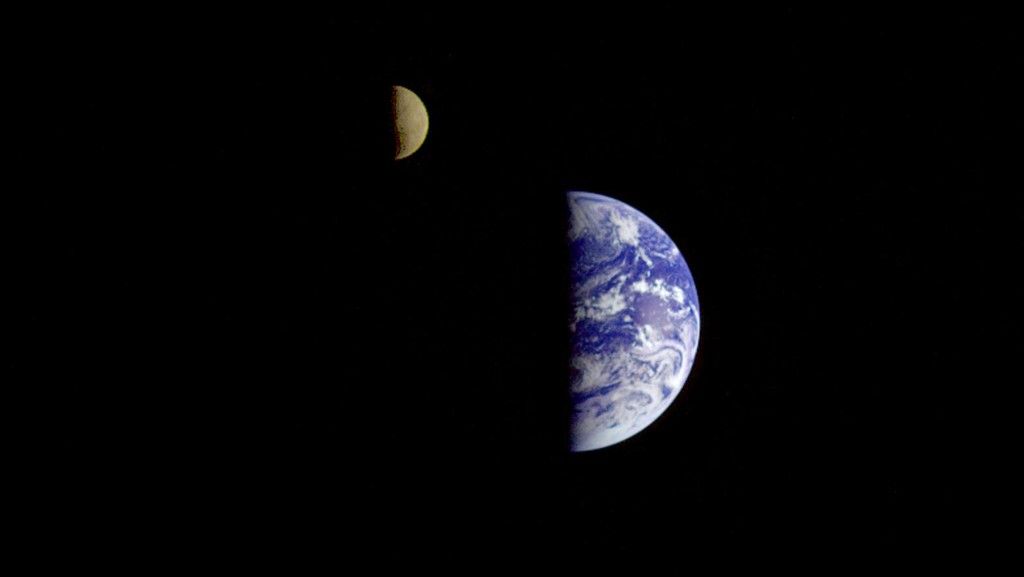
Discovery 6 years, 5 months agoAn Extinct Clam Fossil Is Indicating That About 70 Myrs Ago, The Earth’s Day Was Shorter–About 23.5 Hours And The Days In The Year Were Longer–About 372 Days. This Evidence Was Derived By Studying The Growth Patterns And Rhythms On The Clam’s Shell. The Earth/Moon Distance Relationship Is Said To Be Responsible For The Phenomenon.
… Carlo Godinez posted an update in the group
Discovery 6 years, 5 months agoScientists May Have Found A Material, In A Dinosaur Fossil, Which They Claim Looks Like The DNA Of A 74 Million To 80 Million Years Old Dinosaur, Hypacrosaurus, From North America. However, Skeptics May Not Believe It’s Dinousar’s DNA As DNA Cannot Survive For That Long. But If It Is Dinosaur DNA, Then Scientists May Clone Dinosaurs.
… Ken Yun posted an update in the group
Discovery 6 years, 6 months agoA New Study By NOAA Scientists, Based On Statistical Models Of Arctic Ice, Is Indicating That The Arctic May Be Ice-Free (With Less Than 1 Million Square Kilometers Of Sea Ice) In 15 Years, During An Arctic Summer. And This Could Create Economic Opportunities, And Negatively Influence The Ocean Circulation And Arctic Ecosystem.
Arcti…Recent posts
- The 52 Fastest Animals in the World: Nature’s Ultimate Speed Guide January 8, 2026
- Ultimate Guide To Rainbow Colors: Order, Science, History, And More December 22, 2025
- Noise Vs. Stealth: The World’s 10 Loudest Submarines, Featuring Type 094 Submarine Operations in China December 16, 2025
- Top 17 World’s Biggest Spiders: Giants Of The Arachnid Kingdom December 11, 2025
- Murder, Pride, And Zeal: The Ultimate Guide To Group Names Of Animals December 5, 2025
Log in with your credentials
Forgot your details?
Create Account