In the shadowy world of undersea warfare, silence is survival. Yet not all submarines are created equal. Some of the loudest designs in history, from China’s early Xia-class to Soviet-era diesel boats, betrayed their presence long before they could strike (Sutton, 2016).
Today, the Type 094 submarine operations China conducts remain central to its nuclear deterrence, but analysts argue that its sound profile is closer to Cold War relics than modern stealth marvels (ONI, 2009; Kirchberger, 2023).
By contrasting the 10 noisiest submarines ever built with the most silent in service, we uncover why noise matters, how it shapes strategy, and what it reveals about global power.
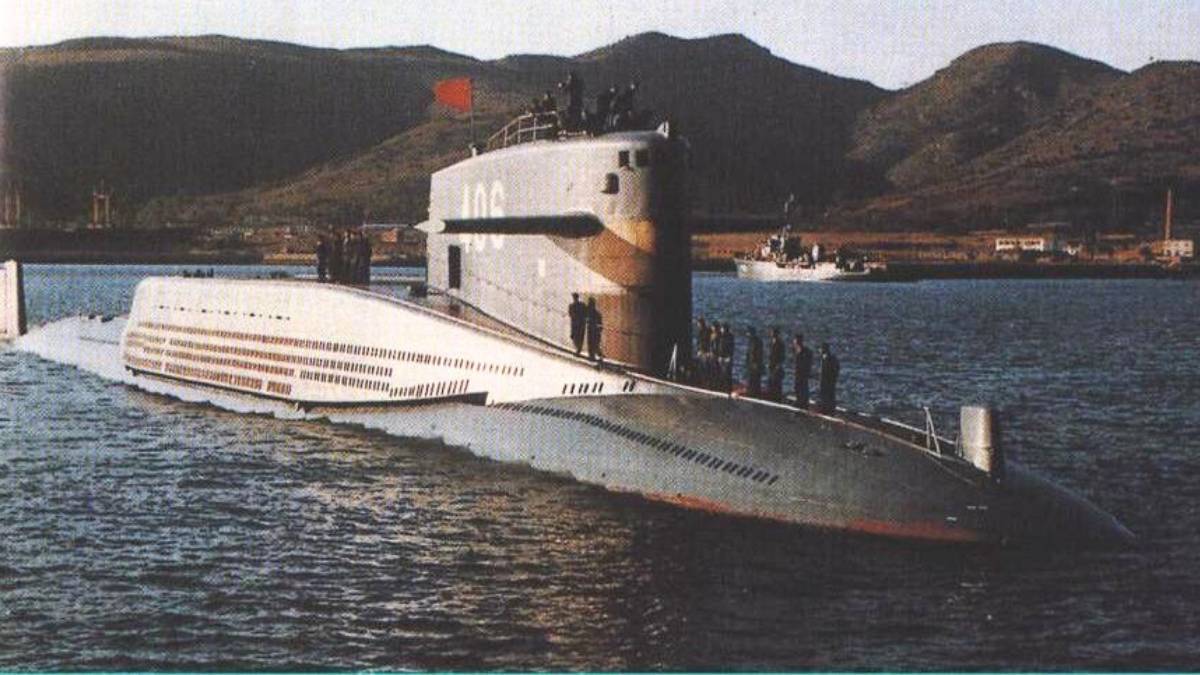
Submarine Profile #1: Type 092 Xia-class SSBN (China)
(Credit: X-com)
What It Is / History:
The Type 092 Xia-class was China’s first nuclear-powered ballistic missile submarine (SSBN), launched in 1981 and commissioned in 1987 (NTI, 2025a; GlobalSecurity, n.d.a). It marked China’s entry into sea-based nuclear deterrence but was plagued by technical problems, reliability issues, and excessive noise. Only one unit was ever built, and it was rarely deployed (Erickson & Goldstein, 2007).
Specs:
a) Length: ~120 meters (GlobalSecurity, n.d.a; Wikipedia, 2025a).
b) Displacement: ~6,500 tons surfaced / ~7,000–8,000 tons submerged (Naval Encyclopedia, 2025; Seaforces.org, 2025a).
c) Propulsion: Nuclear pressurized water reactor (NTI, 2025a).
d) Armament: 12 JL-1 submarine-launched ballistic missiles (SLBMs), plus 6 x 533mm torpedo tubes (Wikipedia, 2025a; GlobalSecurity, n.d.a).
e) Crew: ~100 (Military Factory, 2025a; Seaforces.org, 2025a).
Pros and Cons:
a) Pros: Symbolic achievement, first step toward nuclear deterrence at sea.
b) Cons: Extremely noisy, easily detectable, limited missile range, unreliable systems (Carlson & Wang, 2023).
Range / Uses / Status:
a) The JL-1 missile had a range of about 1,700 km (Wikipedia, 2025a).
b) From Chinese coastal waters, this meant it could reach regional targets such as Japan, South Korea, Vietnam, and parts of India. It could not reach the U.S. mainland or Europe.
c) Uses: Primarily experimental and symbolic; not a credible deterrent.
d) Status: Effectively retired; only one unit built (NTI, 2025a).
Strategic Role and Controversies: The Xia-class was more symbolic than operational. It demonstrated China’s ambition to field nuclear-armed submarines but lacked real deterrent capability. Its excessive noise made it vulnerable to detection, and it rarely conducted patrols. Analysts often describe it as one of the noisiest submarines ever built (ONI, 2009; Sutton, 2016).
Comparison to Type 094 Submarine Operations China:
a) Noise: The Xia-class was even noisier than the Type 094, though both are detectable compared to Western subs (Carlson & Wang, 2023).
b) Missile Range: Xia’s JL-1 missiles could only reach nearby countries (Japan, South Korea, Vietnam, India). By contrast, the Type 094 carries JL-2/JL-3 missiles with ranges up to 10,000 km, capable of reaching the U.S. mainland and Europe (Wikipedia, 2025b).
c) Credibility: Unlike the Xia, the Type 094 submarine operations China conducts today are considered credible, with regular patrols and longer-range missiles (Kirchberger, 2023).
d) Strategic Leap: The Type 094 represents China’s first truly operational SSBN, while the Xia was largely symbolic (NTI, 2025a).
Bottom Line: The Type 092 Xia-class was China’s first SSBN and the noisiest of all, but it paved the way for the Type 094 submarine operations that China now relies on for nuclear deterrence — a leap from symbolic presence to strategic reality, even if noise remains a vulnerability (Erickson & Goldstein, 2007).
Submarine Profile #2: Type 094 Jin-class SSBN (China)
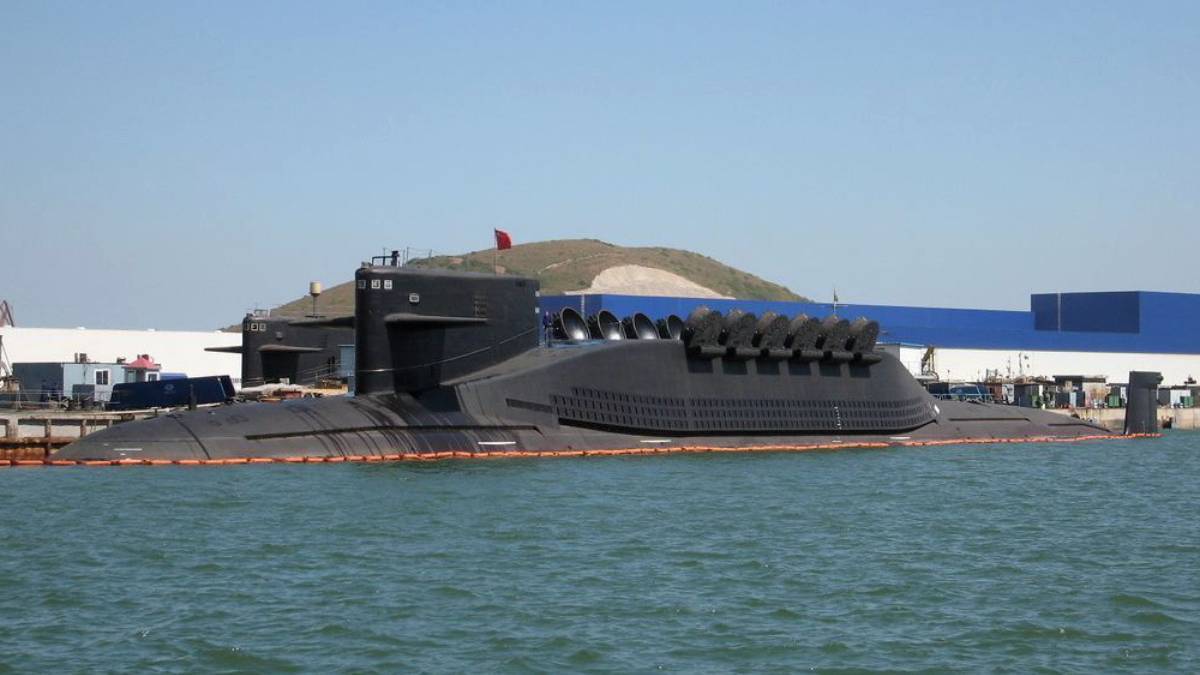
(Credit: Wikipedia)
What It Is / History:
The Type 094, also known as the Jin-class, is China’s second-generation nuclear-powered ballistic missile submarine (SSBN). First commissioned in the mid-2000s, it represents a major leap from the earlier Type 092 Xia-class. Unlike the Xia, which was largely symbolic, the Type 094 is China’s first truly operational SSBN, forming the backbone of its sea-based nuclear deterrent. Six units are in active service (NTI, 2025a; GlobalSecurity, 2019).
a) Explain the specifications of China’s Type 094 Jin-class submarine and its missile systems Summarize the operational depth, crew size, and endurance of the Type 094 SSBN
b) Compare the JL-2 vs JL-3 ballistic missiles carried by Type 094 submarines
Specs:
a) Length: ~135 meters (Wikipedia, 2025b; Seaforces.org, 2025b).
b) Displacement: ~11,000 tons submerged (GlobalSecurity, 2019; Army Recognition, 2025).
c) Propulsion: Nuclear pressurized water reactor (NTI, 2025a).
d) Armament: 12 JL-2 SLBMs (range ~7,400 km) or JL-3 SLBMs (range ~10,000+ km), plus 6 x 533mm torpedo tubes (Wikipedia, 2025b; Seaforces.org, 2025b).
e) Crew: ~120 (Military Factory, 2025b; Seaforces.org, 2025b).
Pros and Cons:
a) Pros: Far more capable than the Xia-class, with longer-range missiles; provides China with its first credible sea-based nuclear deterrent; regular patrols from Hainan Island bases (Kirchberger, 2023).
b) Cons: Still considered noisy compared to U.S. Ohio-class and Russian Borei-class SSBNs; vulnerable to detection by advanced sonar systems; limited stealth reduces survivability in contested waters (ONI, 2009; Sutton, 2016).
Range / Uses / Status:
A) Discuss the role of Type 094 submarines in China’s nuclear triad;
B) Analyze how Type 094 submarine patrols affect U.S. deterrence in the Pacific;
C) Evaluate the impact of Type 094 deployments on South China Sea stability.
a) With JL-2 missiles (~7,400 km range), the Type 094 can reach India, Russia, Japan, and all of Southeast Asia; from patrols in the South China Sea, it can target Alaska and parts of Hawaii (Wikipedia, 2025b).
b) With JL-3 missiles (~10,000+ km range), it can reach the U.S. mainland (West Coast, Midwest, East Coast) and Europe, including the UK, France, and Germany.
c) Uses: Active deterrence patrols, primarily in the South China Sea (NTI, 2025a).
d) Status: Six units in service, forming the core of China’s SSBN fleet (GlobalSecurity, 2019).
Strategic Role and Controversies: The Type 094 is central to China’s nuclear deterrence strategy, ensuring a second-strike capability if land-based missiles are neutralized. However, its noise levels remain a major controversy. Analysts argue that its acoustic profile is closer to older Soviet-era subs than modern Western designs, raising doubts about survivability in a conflict (ONI, 2009; Kirchberger, 2023). Despite this, the Type 094 is a significant leap forward for China’s navy and a symbol of its growing global ambitions.
Comparison to Type 094 Submarine Operations China :
a) Unlike the Xia-class, the Type 094 submarine operations China conducts today are credible, with missiles capable of reaching the U.S. mainland (National Interest, 2024).
b) It remains noisier than Western SSBNs, but it is far more advanced than China’s earlier designs (Sutton, 2016).
c) The Type 094 bridges the gap between symbolic deterrence (Xia-class) and strategic reality, even if stealth remains its Achilles’ heel (Erickson & Goldstein, 2007).
Bottom Line: The Type 094 submarine operations that China relies on today mark a turning point in its naval strategy. Though noisy and less stealthy than Western counterparts, the Jin-class provides China with its first credible sea-based nuclear deterrent, capable of striking targets across Asia, the U.S., and Europe (Kirchberger, 2023).
Submarine Profile #3: Delta III-class SSBN (Russia, Soviet-era)
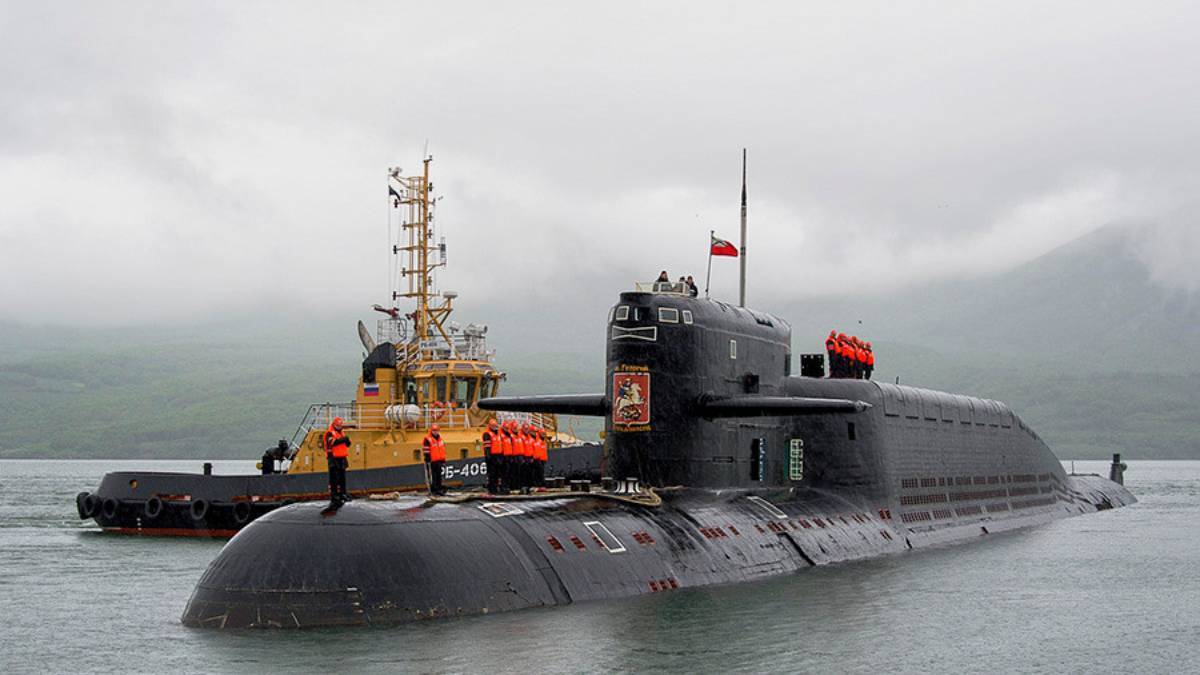
(Credit: Naval-Encyclopedia)
What It Is / History:
The Delta III-class was a Soviet nuclear-powered ballistic missile submarine (SSBN) introduced in the late 1970s. It was part of the Soviet Union’s effort to expand its nuclear deterrent during the Cold War. The Delta III was the first Soviet SSBN capable of launching missiles in a full salvo while submerged, a major advancement at the time. Fourteen units were built, and they formed the backbone of the Soviet SSBN fleet for years (GlobalSecurity, 2017).
Specs:
a) Length: ~166 meters (Wikipedia, 2025c; Naval Encyclopedia, 2025a).
b) Displacement: ~13,500 tons surfaced / ~18,200 tons submerged (Wikipedia, 2025c; GlobalSecurity, 2017).
c) Propulsion: Nuclear pressurized water reactor (Wikipedia, 2025c).
d) Armament: 16 R-29R SLBMs (range ~6,500–9,100 km), each capable of carrying multiple warheads, plus 4 x 533mm torpedo tubes (Wikipedia, 2025c; Seaforces.org, 2025c).
e) Crew: ~130 (Wikipedia, 2025c; Military Factory, 2025c).
Pros and Cons:
a) Pros: First Soviet SSBN with true multiple-warhead capability; could launch missiles while submerged, enhancing survivability; larger missile range than earlier Yankee-class subs.
b) Cons: Considered noisy compared to Western designs; easier to detect by NATO sonar systems; eventually outclassed by newer Delta IV and Borei-class subs (Sutton, 2016).
Range / Uses / Status:
a) With a missile range of ~9,100 km, the Delta III could target, from Arctic patrols, the continental United States (West Coast, Midwest); from Soviet bases, Western Europe, China, and much of Asia (Wikipedia, 2025c).
b) Uses: Strategic deterrence patrols during the Cold War.
c) Status: Most retired by the early 2000s, replaced by Delta IV and Borei-class subs (GlobalSecurity, 2017).
Strategic Role and Controversies: The Delta III was central to the Soviet Union’s nuclear deterrence strategy in the late Cold War. Its ability to launch submerged salvos was a breakthrough, but its noise levels made it vulnerable to NATO tracking. Western analysts often described it as detectable compared to quieter U.S. Ohio-class subs (ONI, 2009).
Comparison to Type 094 Submarine Operations China:
a) Noise: The Delta III was noisy, but the Type 094 submarine operations China conducts today are considered similarly detectable, showing that China’s current SSBN technology is closer to older Soviet designs than modern Western ones (ONI, 2009; Sutton, 2016).
b) Missile Range: Delta III’s R-29R missiles (~9,100 km) were comparable to the Type 094’s JL-2 (~7,400 km), though the JL-3 now surpasses them with ~10,000 km range (Wikipedia, 2025b).
c) Strategic Role: Both served as their nation’s first credible SSBN fleets. The Delta III was central to Soviet deterrence, while the Type 094 is central to China’s (Kirchberger, 2023).
d) Controversy: Just as NATO criticized the Delta III for noise, analysts today criticize the Type 094 for the same weakness (ONI, 2009).
Bottom Line: The Delta III-class was noisy but strategically vital during the Cold War, much like the Type 094 submarine operations China today. Both highlight the tension between technological limitations and the need for credible nuclear deterrence (GlobalSecurity, 2017).
Submarine Profile #4: Victor III-class SSN (Russia, Soviet-era)
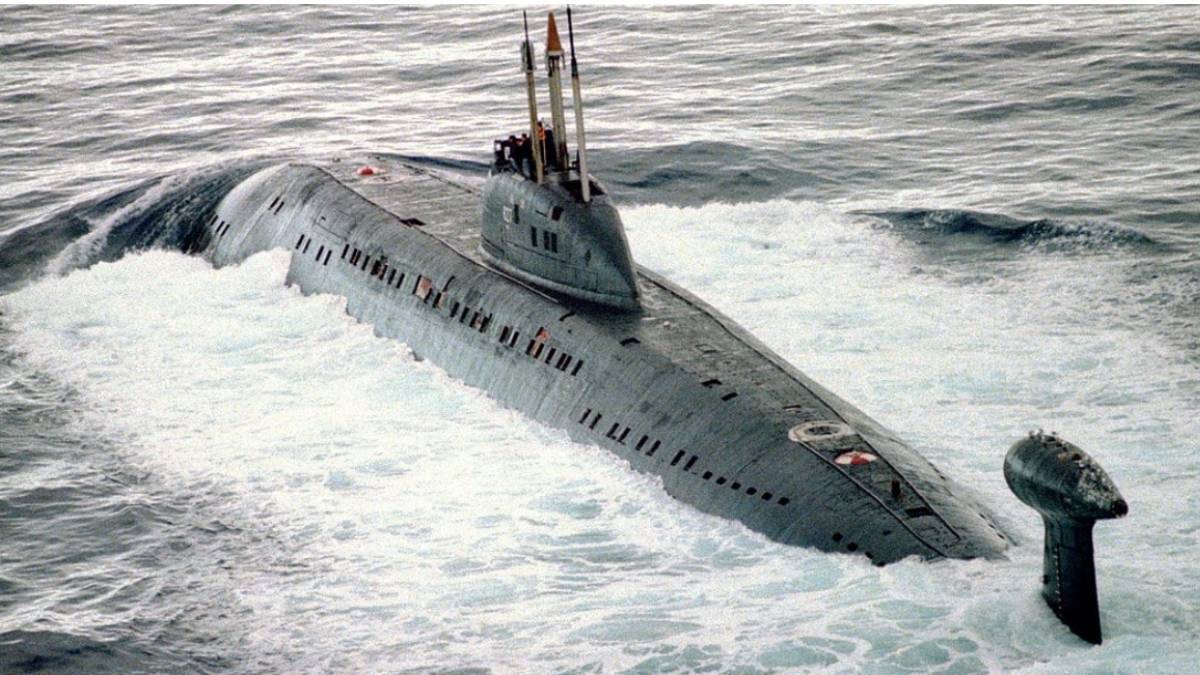
(Credit: Nationalinterest)
What It Is / History:
The Victor III-class was a Soviet nuclear-powered attack submarine (SSN) introduced in the late 1970s. It was designed to counter NATO naval forces, particularly U.S. carrier groups, during the Cold War. The Victor III was an evolution of earlier Victor-class subs, incorporating improved sonar and missile systems, but it remained acoustically loud compared to Western designs (GlobalSecurity, 2021).
Specs:
a) Length: ~106 meters (Wikipedia, 2025d; Seaforces.org, 2025d).
b) Displacement: ~6,990 tons submerged (Wikipedia, 2025d; GlobalSecurity, 2021).
c) Propulsion: Nuclear pressurized water reactor (Wikipedia, 2025d).
d) Armament: Torpedoes and anti-ship missiles (SS-N-21 cruise missiles in later variants), 4 x 533mm torpedo tubes (Wikipedia, 2025d; Seaforces.org, 2025d).
e) Crew: ~96 (GlobalSecurity, 2021; Military Factory, 2025d).
Pros and Cons:
a) Pros: Improved sonar compared to earlier Victor-class subs; capable of launching cruise missiles against surface ships; played a major role in Soviet naval strategy.
b) Cons: Still considered noisy, detectable by NATO sonar; outclassed by quieter U.S. Los Angeles-class SSNs; limited stealth reduced survivability in contested waters (Sutton, 2016).
Range / Uses / Status:
a) Range: Global deployment possible, but primarily operated in the North Atlantic and Arctic.
b) Uses: Anti-submarine and anti-surface warfare against NATO fleets.
c) Status: Retired by the early 2000s, replaced by Akula and Yasen-class subs (GlobalSecurity, 2021).
Strategic Role and Controversies: The Victor III-class was central to Soviet naval operations during the Cold War, tasked with shadowing NATO fleets and protecting Soviet SSBNs. Its noise levels, however, made it vulnerable to detection, and Western analysts often described it as lagging behind U.S. designs in stealth (ONI, 2009). Despite this, it was a workhorse of the Soviet fleet for decades.
Comparison to Type 094 Submarine Operations China:
a) Noise: Like the Victor III, the Type 094 submarine operations China are criticized for being noisy and detectable. Both highlight the challenge of achieving true stealth (Sutton, 2016).
b) Role: The Victor III was an attack submarine (SSN) focused on hunting ships and subs, while the Type 094 is a ballistic missile submarine (SSBN) focused on nuclear deterrence (Kirchberger, 2023).
c) Range: Victor III operated mainly in the Atlantic, while Type 094 patrols the South China Sea and beyond.
d) Strategic Importance: Both were central to their nation’s naval strategy despite noise issues — Victor III for Soviet fleet defense, Type 094 for China’s nuclear deterrence (GlobalSecurity, 2021).
Bottom Line: The Victor III-class was noisy but strategically vital for the Soviet Union’s Cold War naval operations. Similarly, the Type 094 submarine operations China today are noisy yet crucial, underscoring how nations often rely on imperfect submarines to project power and deterrence (ONI, 2009).
Submarine Profile #5: Romeo-class SS (China, originally Soviet design)
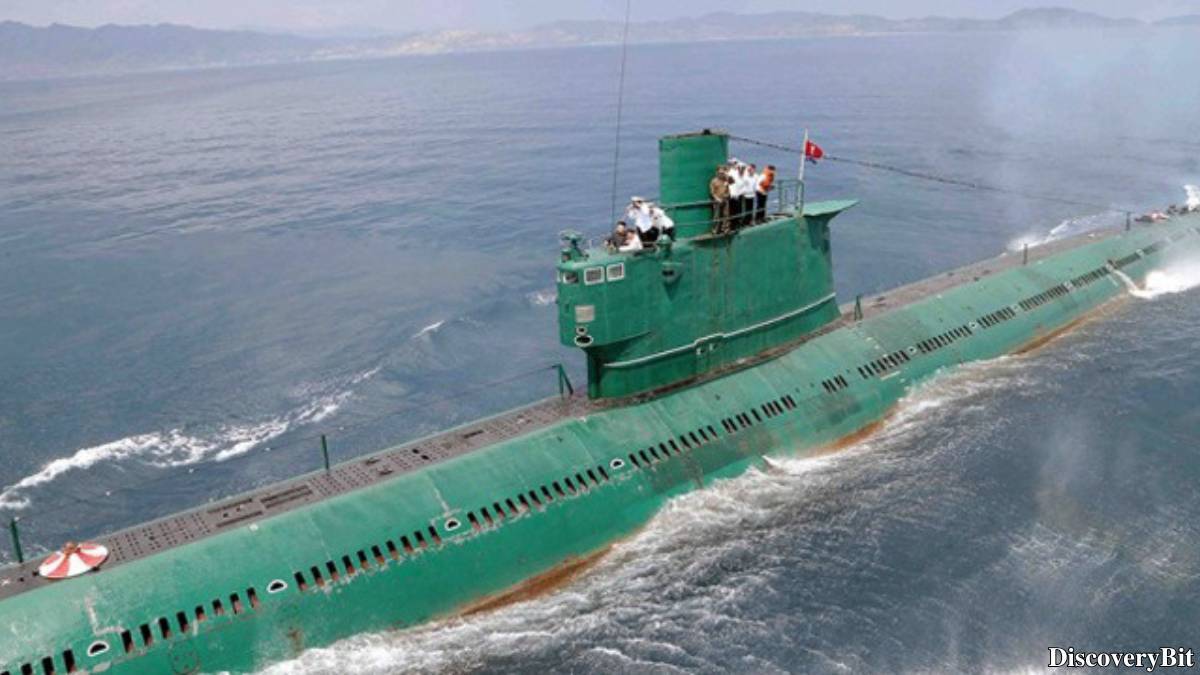
(Credit: Naval-Encyclopedia)
What It Is / History:
The Romeo-class was a Soviet-designed diesel-electric submarine introduced in the 1950s. China acquired the design and built over 80 units domestically, making it one of the most widely produced submarine classes in history. While it gave China a foundation for submarine operations, by modern standards it was outdated and extremely noisy (NTI, 2025a; Wikipedia, 2025e).
Specs:
a) Length: ~76 meters (Wikipedia, 2025e; Seaforces.org, 2025e).
b) Displacement: ~1,475 tons surfaced / ~1,830 tons submerged (Wikipedia, 2025e; GlobalSecurity, n.d.b).
c) Propulsion: Diesel-electric engines with batteries for underwater travel (Wikipedia, 2025e).
d) Armament: 8 torpedo tubes (no ballistic missiles), 6 bow + 2 stern x 533mm (Wikipedia, 2025e; Military Factory, 2025e).
e) Crew: ~54 (Wikipedia, 2025e; Seaforces.org, 2025e).
Pros and Cons:
a) Pros: Simple, reliable design for training and coastal defense; easy to mass-produce; China built over 80 units (NTI, 2025a).
b) Cons: Very noisy, easily detectable by sonar; limited underwater endurance due to diesel-electric propulsion; no strategic missile capability (Sutton, 2016).
Range / Uses / Status:
a) Range: Could patrol coastal waters and nearby seas, but lacked global reach.
b) Uses: Coastal defense, training, and patrol missions in the Yellow Sea and South China Sea.
c) Status: Retired from frontline service; some units preserved as museum exhibits (Wikipedia, 2025e).
Strategic Role and Controversies: The Romeo-class was never a true strategic deterrent. It was more of a stepping stone for China to gain submarine experience. Its noise levels and limited endurance made it vulnerable, but it was important in building China’s submarine fleet during the Cold War era (Erickson & Goldstein, 2007).
Comparison to Type 094 Submarine Operations China:
a) Noise: The Romeo-class was extremely noisy, but unlike the Type 094 submarine operations China conducts today, it lacked nuclear propulsion and missile capability (Sutton, 2016).
b) Role: Romeo-class was tactical (torpedo attacks, coastal defense), while Type 094 is strategic (nuclear deterrence) (Kirchberger, 2023).
c) Range: Romeo-class could only reach nearby seas, while Type 094’s JL-2/JL-3 missiles can reach the U.S. mainland and Europe (Wikipedia, 2025b).
d) Strategic Importance: Romeo-class was a training tool; Type 094 is a cornerstone of China’s nuclear deterrence despite its own noise issues (NTI, 2025a).
Bottom Line: The Romeo-class was noisy and outdated, serving mainly as a training and coastal defense submarine. In contrast, the Type 094 submarine operations China relies on today are noisy but strategically vital, marking the leap from tactical coastal defense to global nuclear deterrence (Erickson & Goldstein, 2007).
Submarine Profile #6: Foxtrot-class SS (Russia, Soviet-era)
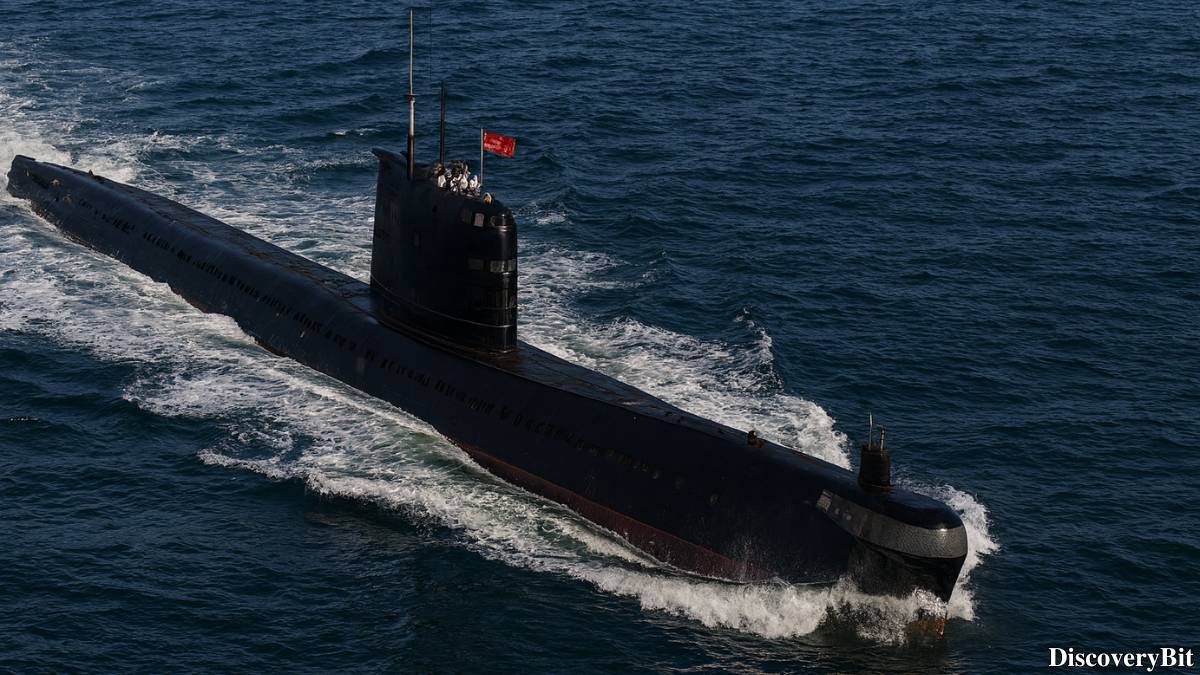
(Modified From Wikipedia)
What It Is / History:
The Foxtrot-class was a Soviet diesel-electric submarine introduced in the late 1950s. It was designed for long-range patrols and anti-ship missions during the Cold War. Over 50 were built for the Soviet Navy, and the class was exported to several allied nations, including India, Cuba, and Poland. Despite its widespread use, the Foxtrot quickly became known for being noisy and outdated compared to nuclear-powered submarines (Wikipedia, 2025f).
Specs:
a) Length: ~91–92 meters (Wikipedia, 2025f; Seaforces.org, 2025f).
b) Displacement: ~1,952 tons surfaced / ~2,475 tons submerged (Wikipedia, 2025f; GlobalSecurity, n.d.c).
c) Propulsion: Diesel-electric engines with batteries for underwater travel (Wikipedia, 2025f).
d) Armament: 10 torpedo tubes (no ballistic missiles), 6 bow + 4 stern x 533mm (Wikipedia, 2025f; Military Factory, 2025f).
e) Crew: ~78 (Wikipedia, 2025f; Seaforces.org, 2025f).
Pros and Cons:
a) Pros: Reliable design, mass-produced and widely exported; long-range patrol capability for a diesel-electric submarine.
b) Cons: Very noisy, easily detectable by sonar; limited underwater endurance compared to nuclear subs; outclassed by nuclear-powered designs by the 1960s (Sutton, 2016).
Range / Uses / Status:
a) Range: Could patrol thousands of kilometers, reaching areas such as the North Atlantic and Mediterranean.
b) Uses: Anti-ship patrols, coastal defense, and training missions.
c) Status: Retired from most navies; some preserved as museum exhibits (Wikipedia, 2025f).
Strategic Role and Controversies: The Foxtrot-class was a Cold War workhorse, used extensively by the Soviet Union and its allies. Its noise levels, however, made it vulnerable to NATO detection. It was involved in several Cold War incidents, including the Cuban Missile Crisis, where Foxtrot submarines were tracked by U.S. forces (National Security Archive, 2002).
Comparison to Type 094 Submarine Operations China:
a) Noise: The Foxtrot was extremely noisy, but unlike the Type 094 submarine operations China conducts today, it lacked nuclear propulsion and ballistic missile capability (Sutton, 2016).
b) Role: Foxtrot-class was tactical (torpedo attacks, patrols), while Type 094 is strategic (nuclear deterrence) (Kirchberger, 2023).
c) Range: Foxtrot could patrol oceans but had limited underwater endurance; Type 094 can remain submerged for extended periods thanks to nuclear propulsion.
d) Strategic Importance: Foxtrot was a Cold War patrol submarine, while Type 094 is a cornerstone of China’s nuclear deterrence despite its own noise issues (National Security Archive, 2002).
Bottom Line: The Foxtrot-class was noisy and outdated but served as a Cold War patrol submarine for the Soviet Union and its allies. In contrast, the Type 094 submarine operations China relies on today are noisy yet strategically vital, marking the leap from tactical diesel-electric patrols to global nuclear deterrence (Wikipedia, 2025f).
Submarine Profile #7: Kilo-class (Early Variants, Russia)
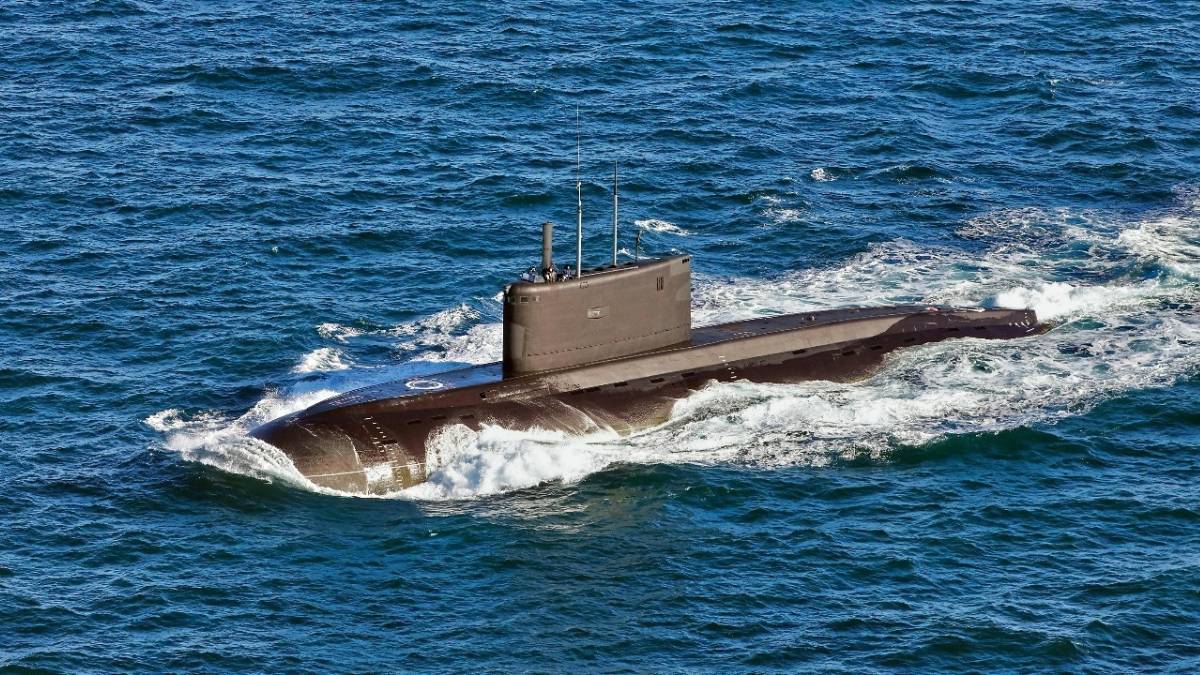
(Credit: Nationalsecurityjournal)
What It Is / History:
The Kilo-class is a Soviet-designed diesel-electric submarine introduced in the early 1980s. Known as “Project 877” in Russia, it was intended for anti-ship and anti-submarine warfare in coastal waters. The early variants were notoriously noisy compared to later “Improved Kilo” designs. Despite this, the Kilo-class became one of the most exported submarine types, serving in navies across Asia, the Middle East, and Eastern Europe (Wikipedia, 2025g).
Specs:
a) Length: ~72–74 meters (Wikipedia, 2025g; Seaforces.org, 2025g).
b) Displacement: ~2,325 tons surfaced / ~3,076 tons submerged (Wikipedia, 2025g; Naval Technology, 2025a).
c) Propulsion: Diesel-electric engines with batteries for underwater travel (Wikipedia, 2025g).
d) Armament: 6 torpedo tubes, capable of firing torpedoes and anti-ship missiles (Wikipedia, 2025g; GlobalSecurity, n.d.d).
e) Crew: ~52 (Wikipedia, 2025g; Seaforces.org, 2025g).
Pros and Cons:
a) Pros: Affordable and widely exported, giving many nations submarine capability; effective in coastal defense and anti-ship roles.
b) Cons: Early variants were noisy, easily detectable by sonar; limited endurance compared to nuclear-powered subs; outclassed by modern air-independent propulsion (AIP) designs (Sutton, 2016).
Range / Uses / Status:
a) Range: Could patrol regional seas such as the Baltic, Black Sea, and South China Sea.
b) Uses: Anti-ship and anti-submarine warfare, coastal defense.
c) Status: Early variants retired or replaced; improved versions still in service with Russia, China, India, and others (Wikipedia, 2025g).
Strategic Role and Controversies: The Kilo-class was a Cold War export success, giving smaller navies access to submarine technology. However, its noise levels limited stealth, and NATO forces often tracked them easily. Later versions improved quieting, but the early Kilos remain infamous for their acoustic signature (National Interest, 2020).
Comparison to Type 094 Submarine Operations China:
a) Noise: Early Kilo-class subs were noisy, but unlike the Type 094 submarine operations China conducts today, they were diesel-electric rather than nuclear-powered (Sutton, 2016).
b) Role: Kilo-class was tactical (regional patrols, anti-ship missions), while Type 094 is strategic (nuclear deterrence) (Kirchberger, 2023).
c) Range: Kilo-class could patrol regional seas; Type 094’s JL-2/JL-3 missiles can reach the U.S. mainland and Europe (Wikipedia, 2025b).
d) Strategic Importance: Kilo-class was a Cold War export tool; Type 094 is central to China’s nuclear deterrence despite its own noise issues (National Interest, 2020).
Bottom Line: The early Kilo-class submarines were noisy but widely used, serving as tactical coastal defense units. In contrast, the Type 094 submarine operations that China relies on today are noisy yet strategically vital, marking the leap from regional patrol subs to global nuclear deterrence (Wikipedia, 2025g).
Submarine Profile #8: Han-class SSN (China)
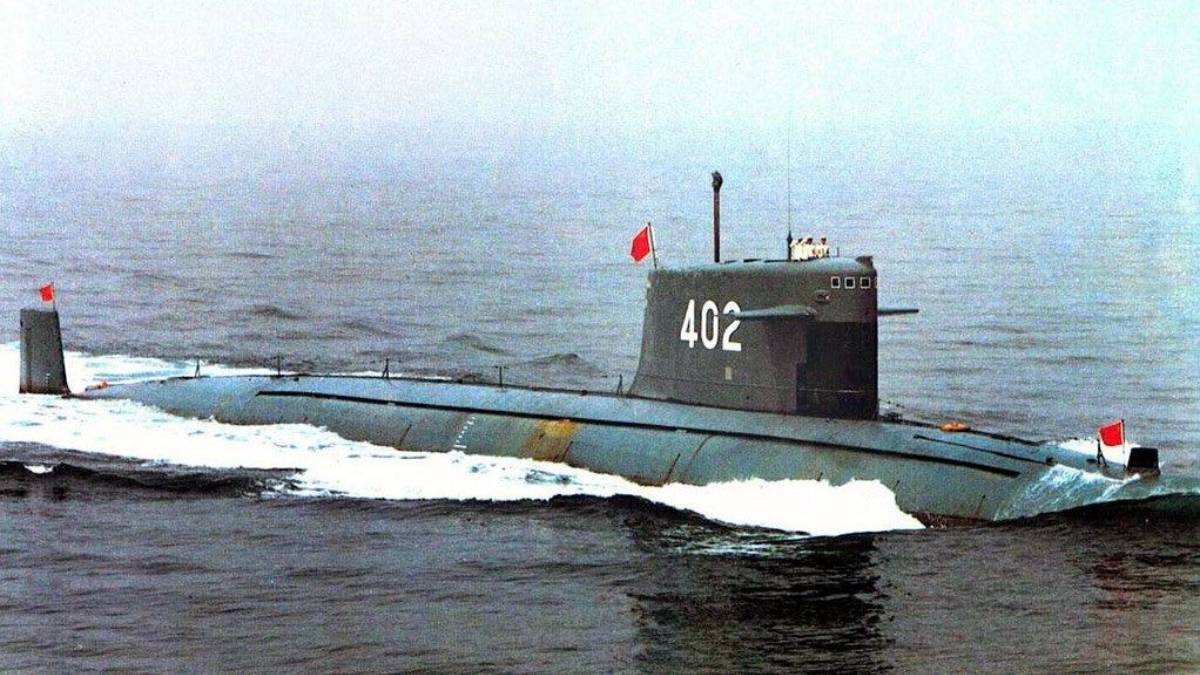
(Credit: Naval-Encyclopedia)
What It Is / History:
The Han-class was China’s first generation of nuclear-powered attack submarines (SSNs), introduced in the 1970s. Built domestically, they marked China’s entry into nuclear submarine technology. However, they were plagued by design flaws, excessive noise, and limited capabilities compared to Western and Soviet counterparts. Five units were built, and they remained in service for decades despite their shortcomings (Wikipedia, 2025h).
Specs:
a) Length: ~98–106 meters (Wikipedia, 2025h; Seaforces.org, 2025h).
b) Displacement: ~5,500 tons submerged (Wikipedia, 2025h; GlobalSecurity, n.d.e).
c) Propulsion: Nuclear pressurized water reactor (Wikipedia, 2025h).
d) Armament: Torpedoes and anti-ship missiles (later retrofitted), 6 x 533mm torpedo tubes (Wikipedia, 2025h; Military Factory, 2025g).
e) Crew: ~75 (Wikipedia, 2025h; Seaforces.org, 2025h).
Pros and Cons:
a) Pros: China’s first nuclear-powered attack submarine, a major technological milestone; provided valuable experience for future designs.
b) Cons: Extremely noisy, easily detectable by sonar; limited endurance and outdated systems; inferior to contemporary U.S. Los Angeles-class and Soviet Victor-class subs (Sutton, 2016).
Range / Uses / Status:
a) Range: Capable of regional patrols in the South China Sea and Western Pacific.
b) Uses: Training, coastal defense, and limited anti-ship operations.
c) Status: Retired from active service; replaced by more advanced designs such as the Type 093 Shang-class (NTI, 2025a).
Strategic Role and Controversies: The Han-class was more symbolic than operational, showing China’s ability to build nuclear-powered submarines. Its noise levels made it vulnerable, and Western analysts often described it as one of the loudest nuclear subs ever built (ONI, 2009). Despite this, it provided China with critical experience that paved the way for the Type 094 SSBN and later attack submarines (Carlson & Wang, 2023).
Comparison to Type 094 Submarine Operations China:
a) Noise: The Han-class was even noisier than the Type 094 submarine operations China conducts today, though both share detectability issues compared to Western subs (Sutton, 2016).
b) Role: Han-class was an attack submarine (SSN) focused on tactical missions, while Type 094 is a ballistic missile submarine (SSBN) focused on nuclear deterrence (Kirchberger, 2023).
c) Range: Han-class could patrol regionally, while Type 094’s JL-2/JL-3 missiles can strike the U.S. mainland and Europe (Wikipedia, 2025b).
d) Strategic Importance: Han-class was a technological stepping stone; Type 094 is a cornerstone of China’s nuclear deterrence despite its own noise problems (Erickson & Goldstein, 2007).
Bottom Line: The Han-class was noisy and limited but historically important as China’s first nuclear-powered attack submarine. In contrast, the Type 094 submarine operations China relies on today are noisy yet strategically vital, marking the leap from symbolic nuclear technology to credible global deterrence (Carlson & Wang, 2023).
Submarine Profile #9: Golf-class SSBN (Russia, Soviet-era)
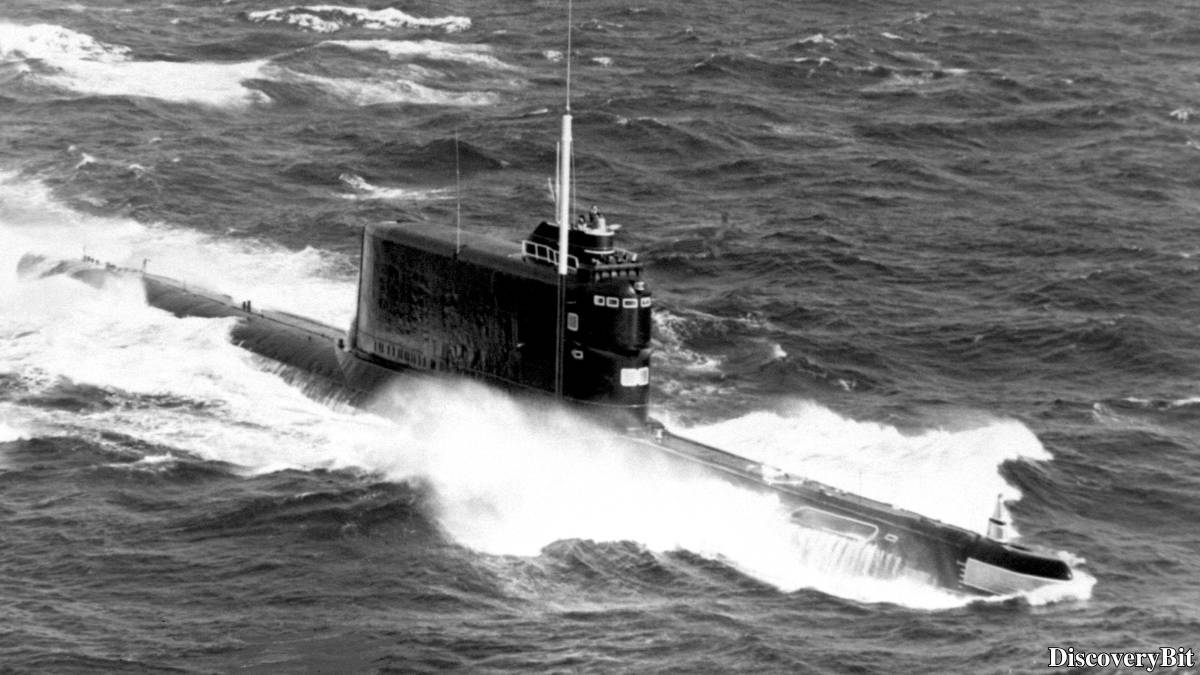
(Credit: Wikipedia)
What It Is / History:
The Golf-class was a Soviet diesel-electric ballistic missile submarine (SSBN) introduced in the late 1950s. It was one of the earliest attempts to deploy nuclear missiles at sea. Unlike nuclear-powered designs, the Golf-class relied on diesel engines, which limited its endurance and made it noisy. About 23 units were built, and they served as an important transitional step before the Soviet Union moved to nuclear-powered SSBNs like the Yankee and Delta classes (GlobalSecurity, 2017).
Specs:
a) Length: ~98 meters (Wikipedia, 2025i; Seaforces.org, 2025i).
b) Displacement: ~2,794 tons surfaced / ~3,553 tons submerged (Wikipedia, 2025i; GlobalSecurity, 2017).
c) Propulsion: Diesel-electric engines with batteries for underwater travel (Wikipedia, 2025i).
d) Armament: Initially 3 ballistic missile launch tubes (R-11 and later R-21 SLBMs), plus 6 x 533mm torpedo tubes (Wikipedia, 2025i; Military Factory, 2025h).
e) Crew: ~80–83 (Wikipedia, 2025i; Seaforces.org, 2025i).
Pros and Cons:
a) Pros: First Soviet submarine capable of launching ballistic missiles; provided valuable experience for future nuclear-powered SSBN designs.
b) Cons: Very noisy, easily detectable; limited missile capacity (only 3 launch tubes); short patrol endurance compared to nuclear-powered subs (Sutton, 2016).
Range / Uses / Status:
a) Range: Early missiles had ranges of ~1,400–2,500 km. From Soviet bases, they could reach regional targets such as Western Europe, Turkey, and parts of China. They could not reach the U.S. mainland.
b) Uses: Strategic deterrence in the early Cold War, training, and testing of missile systems.
c) Status: Retired by the 1990s, replaced by nuclear-powered SSBNs (GlobalSecurity, 2017).
Strategic Role and Controversies: The Golf-class was more of a transitional design than a true strategic deterrent. Its noise levels and limited missile capacity made it vulnerable, but it was historically significant as the Soviet Union’s first operational ballistic missile submarine. It also played a role in testing new missile systems that paved the way for more advanced SSBNs (Wikipedia, 2025i).
Comparison to Type 094 Submarine Operations China:
a) Noise: The Golf-class was noisy, but unlike the Type 094 submarine operations China conducts today, it was diesel-electric rather than nuclear-powered (Sutton, 2016).
b) Missile Range: Golf-class missiles (~2,500 km) could only reach nearby regions, while Type 094’s JL-2/JL-3 missiles can reach the U.S. mainland and Europe (Wikipedia, 2025b).
c) Role: Golf-class was transitional, proving the concept of sea-based nuclear missiles. Type 094 is a fully operational SSBN forming the backbone of China’s deterrence (Kirchberger, 2023).
d) Strategic Importance: Golf-class was a stepping stone for the Soviets; Type 094 is China’s current strategic reality, despite noise issues (GlobalSecurity, 2017).
Bottom Line: The Golf-class was noisy and limited but historically important as the Soviet Union’s first ballistic missile submarine. In contrast, the Type 094 submarine operations China relies on today are noisy yet strategically vital, marking the leap from transitional diesel-electric subs to nuclear-powered global deterrence (Wikipedia, 2025i).
Submarine Profile #10: Whiskey-class SS (Russia, Soviet-era)
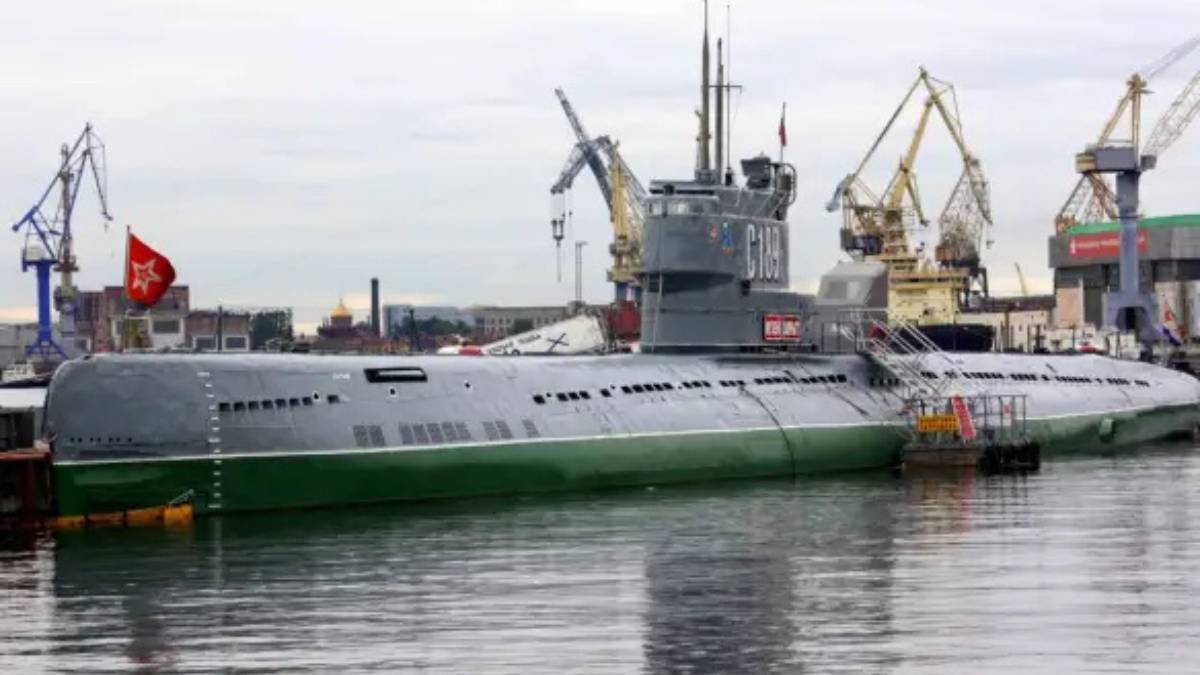
(Credit: Warhistory)
What It Is / History:
The Whiskey-class was a Soviet diesel-electric submarine introduced in the early 1950s. It was based on German Type XXI U-boat technology captured after World War II. The Whiskey-class became one of the most widely built Soviet submarines, with over 200 units produced. It was a Cold War workhorse but quickly became outdated and notoriously noisy compared to nuclear-powered designs (Wikipedia, 2025j).
Specs:
a) Length: ~76 meters (Wikipedia, 2025j; Seaforces.org, 2025j).
b) Displacement: ~1,050 tons surfaced / ~1,340 tons submerged (Wikipedia, 2025j; GlobalSecurity, n.d.f).
c) Propulsion: Diesel-electric engines with batteries for underwater travel (Wikipedia, 2025j).
d) Armament: 6 torpedo tubes (no ballistic missiles), 4 bow + 2 stern x 533mm (Wikipedia, 2025j; Military Factory, 2025i).
e) Crew: ~52 (Wikipedia, 2025j; Seaforces.org, 2025j).
Pros and Cons:
a) Pros: Mass-produced, giving the Soviet Navy a large submarine fleet; reliable for coastal defense and training.
b) Cons: Extremely noisy, easily detectable by sonar; limited underwater endurance; outclassed by nuclear-powered submarines by the late 1950s (Sutton, 2016).
Range / Uses / Status:
a) Range: Could patrol regional seas such as the Baltic, Black Sea, and North Atlantic.
b) Uses: Coastal defense, training, and patrol missions.
c) Status: Retired from service; some exported to allied nations, others preserved as museum exhibits (Wikipedia, 2025j).
Strategic Role and Controversies: The Whiskey-class was important in the early Cold War as a mass-produced submarine fleet. However, its noise levels and limited endurance made it vulnerable to NATO detection. It was involved in several Cold War incidents, including confrontations with NATO forces in the North Atlantic (National Security Archive, 2002).
Comparison to Type 094 Submarine Operations China:
a) Noise: The Whiskey-class was extremely noisy, but unlike the Type 094 submarine operations China conducts today, it was diesel-electric and lacked nuclear propulsion (Sutton, 2016).
b) Role: Whiskey-class was tactical (torpedo attacks, coastal patrols), while Type 094 is strategic (nuclear deterrence) (Kirchberger, 2023).
c) Range: Whiskey-class could only patrol regional seas, while Type 094’s JL-2/JL-3 missiles can reach the U.S. mainland and Europe (Wikipedia, 2025b).
d) Strategic Importance: Whiskey-class was a Cold War fleet filler; Type 094 is a cornerstone of China’s nuclear deterrence despite its own noise issues (Wikipedia, 2025j).
Bottom Line: The Whiskey-class was noisy and outdated but served as a Cold War patrol submarine for the Soviet Union. In contrast, the Type 094 submarine operations China relies on today are noisy yet strategically vital, marking the leap from mass-produced diesel-electric subs to nuclear-powered global deterrence (National Security Archive, 2002).
Noise Vs Stealth
The world’s most silent submarines, such as Germany’s Type 212A-class and Sweden’s Gotland-class, differ dramatically from the loudest subs (like China’s Type 094 Jin-class SSBN and older Soviet diesel-electrics such as the Foxtrot-class). Their quiet propulsion, advanced sonar, and stealth coatings give them decisive advantages in survivability and deterrence, while the loudest subs remain vulnerable to detection despite their symbolic or strategic roles (Sutton, 2016; ONI, 2009).
The Most Silent Submarines
According to naval analysts, the Type 212A-class (Germany/Italy/Norway) and Gotland-class (Sweden) are among the quietest in the world (National Interest, 2025).
1) Type 212A-class (Germany/Italy/Norway):
a) Diesel-electric with hydrogen fuel-cell Air Independent Propulsion (AIP), allowing up to 3 weeks of silent submerged operation at low speeds with virtually no detectable emissions or moving parts.
b) Extremely quiet — German Navy and NATO ASW officers describe it as “practically undetectable” below 8 knots; outperforms nuclear subs in exercises due to zero heat/pump noise in AIP mode (National Interest, 2025).
c) Armament: 6 × 533mm torpedo tubes for heavyweight torpedoes, anti-ship missiles, and mines; optimized for littoral ASW and special ops.
d) Specs: Length 57 m; Displacement ~1,500 tons surfaced / ~1,800 tons submerged; Crew ~27–28 (Wikipedia, 2025a; Seaforces.org, 2025a).
2) Gotland-class (Sweden):
a) Diesel-electric with Stirling-engine AIP, enabling weeks of near-silent submerged operation; post-2018 upgrades include advanced silencers and lithium-ion batteries for even lower noise.
b) Famously “disappeared” during U.S. Navy exercises, evading detection and “sinking” carriers like USS Ronald Reagan; routinely defeats nuclear subs in NATO drills (Wikipedia, 2025k; Saab, 2025).
c) Armament: 4 × 533mm torpedo tubes for torpedoes and mines; smaller than nuclear subs but highly stealthy for coastal defense.
d) Specs: Length ~60.4 m; Displacement ~1,494 tons surfaced / ~1,599 tons submerged; Crew ~25–32 (Wikipedia, 2025k; Seaforces.org, 2025k).
(Note: While Britain’s Astute-class is one of the quietest nuclear-powered submarines, likened to a “baby dolphin” by the Royal Navy, it trails AIP diesels like these at creep speeds by 3–10 dB due to residual reactor noise; it ranks ~5th overall in 2025 assessments. Royal Navy, 2025; 19FortyFive, 2025.)
3) Astute-class (UK):
a) Nuclear-powered, with near-silent pump-jet propulsion and advanced Sonar 2076 system.
b) Can remain submerged indefinitely (limited only by crew endurance).
c) Armed with Tomahawk cruise missiles and Spearfish torpedoes, giving both stealth and strike capability (Royal Navy, n.d.).
d) Specs: Length ~97 m; Displacement ~7,400 tons surfaced / ~7,800 tons submerged; Crew ~98–109 (Wikipedia, 2025l; Seaforces.org, 2025l).
Major Advantages Over the Loudest Submarines
a) Stealth: Silent subs like Type 212A and Gotland are almost undetectable at low speeds, while noisy subs (Type 094, Xia, Han, Foxtrot, Romeo, etc.) are easily tracked (Sutton, 2016).
b) Survivability: Quiet propulsion means they can patrol contested waters without being hunted; noisy subs risk exposure.
c) Technology: Silent subs use fuel-cell/Stirling AIP, pump-jet propulsion, and anechoic tiles to reduce noise. Loud subs often lack these features (National Interest, 2025).
d) Credibility: Silent subs provide reliable deterrence; noisy subs undermine deterrence because adversaries can track them (Kirchberger, 2023).
Key Differences vs. Type 094 Submarine Operations (China)
a) Noise: The Type 094 (Jin-class) submarines are considered noisy, with an acoustic signature of ~120 dB, comparable to 1970s-era U.S. Los Angeles-class or late-1970s Soviet Delta III/IV SSBNs, while Type 212A and Gotland are benchmark stealth designs (ONI, 2009; Wikipedia, 2025b). Upgraded Type 094A variants have reduced noise but still lag modern peers.
b) Range: Type 094 carries JL-2/JL-3 missiles capable of striking the U.S. mainland and Europe. Type 212A/Gotland have limited regional range, while Astute-class can project global power with cruise missiles (Wikipedia, 2025b; Royal Navy, n.d.).
c) Strategic Role: Type 094 is a ballistic missile submarine (SSBN) for nuclear deterrence. Type 212A/Gotland are coastal defense subs, and Astute is a nuclear attack sub (SSN) for fleet protection and precision strikes (National Interest, 2025).
d) Pros/Cons: Type 094: Advantage in missile reach, but disadvantage in noise. Type 212A/Gotland: Advantage in stealth, but limited global strike capability. Astute: Advantage in both stealth and strike versatility, but fewer ballistic missiles compared to SSBNs (Sutton, 2016).
Bottom Line
Silent submarines like the Type 212A and Gotland highlight the critical weakness of China’s Type 094 operations, the noise. While the Type 094 gives China global nuclear reach, its detectability undermines survivability. In contrast, the most silent subs trade missile volume for stealth, proving that in undersea warfare, silence is often more decisive than firepower (Kirchberger, 2023).
References
Army Recognition. (2025). US officially recognizes the Type 094 Jin-class submarine as China’s first credible naval nuclear deterrent. https://www.armyrecognition.com/news/navy-news/2025/us-officially-recognizes-the-type-094-jin-class-submarine-as-chinas-first-credible-naval-nuclear-deterrent
Carlson, C., & Wang, J. (2023). A Brief Technical History of PLAN Nuclear Submarines. China Maritime Studies Institute. https://www.andrewerickson.com/wp-content/uploads/2023/08/CMSI_China-Maritime-Report_30_A-Brief-Technical-History-of-PLAN-Nuclear-Submarines_Carlson-Wang_202308.pdf
Erickson, A. S., & Goldstein, L. J. (2007). China’s Future Nuclear Submarine Force. Naval War College Press.
GlobalSecurity. (n.d.a). Type 092 Xia Class SSBN. https://www.globalsecurity.org/wmd/world/china/type_92.htm
GlobalSecurity. (n.d.b). Romeo-class submarine. https://www.globalsecurity.org/military/world/china/romeo-design.htm
GlobalSecurity. (n.d.c). Foxtrot-class submarine. https://www.globalsecurity.org/military/world/russia/641.htm
GlobalSecurity. (n.d.d). Kilo-class submarine. https://www.globalsecurity.org/military/world/russia/877.htm
GlobalSecurity. (n.d.e). Han-class submarine. https://www.globalsecurity.org/military/world/china/type_091.htm
GlobalSecurity. (n.d.f). Whiskey-class submarine. https://www.globalsecurity.org/military/world/russia/613.htm
GlobalSecurity. (2017). 629 GOLF – Russian and Soviet Nuclear Forces. https://www.globalsecurity.org/wmd/world/russia/629.htm
GlobalSecurity. (2019). Type 094 Jin-class Ballistic Missile Submarine. https://www.globalsecurity.org/wmd/world/china/type_94-history.htm
GlobalSecurity. (2021). Project 671 Yersy / Victor class Attack Submarine (Nuclear Powered). https://www.globalsecurity.org/military/world/russia/671.htm
Kirchberger, S. (2023). Testimony before the U.S.-China Economic and Security Review Commission. https://www.uscc.gov/sites/default/files/2023-04/Sarah_Kirchberger_Testimony.pdf
Military Factory. (2025a). CNS Type 092 (Daqingyu) Ballistic Missile Submarine. https://www.militaryfactory.com/ships/detail.php?ship_id=Type-092-Daqingyu
Military Factory. (2025b). CNS Type 094 (Jin) Nuclear-Powered Ballistic Missile Submarine. https://www.militaryfactory.com/ships/detail.php?ship_id=Type-094-Ballistic-Missile-Submarine
Military Factory. (2025c). Delta III (Project 667BDR Kalmar) Nuclear-Powered Ballistic Missile Attack Submarine. https://www.militaryfactory.com/ships/detail.php?ship_id=delta-iii-ballistic-missile-submarine-soviet-union
Military Factory. (2025d). Victor III-class SSN. https://www.militaryfactory.com/ships/detail.php?ship_id=victor-iii-ballistic-missile-submarine-soviet-union
Military Factory. (2025e). Romeo (class) / (Project 633) Diesel-Electric Attack Submarine. https://www.militaryfactory.com/ships/detail.php?ship_id=romeo-class-diesel-electric-attack-submarine-soviet-union
Military Factory. (2025f). Foxtrot (class) / (Project 641) Diesel-Electric Ocean-Going Attack Submarine. https://www.militaryfactory.com/ships/detail.php?ship_id=foxtrot-project-641-diesel-electric-attack-submarine-soviet-union
Military Factory. (2025g). Han-class SSN. https://www.militaryfactory.com/ships/detail.php?ship_id=Type-091-Han
Military Factory. (2025h). Golf-class SSBN. https://www.militaryfactory.com/ships/detail.php?ship_id=Golf-class-Attack-Submarine-Soviet-Union
Military Factory. (2025i). Whiskey (class) / (Project 613) Diesel-Electric Attack Submarine. https://www.militaryfactory.com/ships/detail.php?ship_id=Whiskey-Project-613-Attack-Submarine
Naval Encyclopedia. (2025). Type 092 (NATO Xia class) SSBN (1981). https://naval-encyclopedia.com/cold-war/china/xia-class-ssbn-1981.php
Naval Encyclopedia. (2025a). Delta III class submarines. https://naval-encyclopedia.com/cold-war/ussr/delta-iii-class-submarine.php
Naval Technology. (2025a). SSK Kilo Class (Type 877EKM). https://www.naval-technology.com/projects/kilo877/
National Interest. (2020). The Kilo-Class: Russia’s ‘Black Hole’ Submarine. https://nationalinterest.org/blog/reboot/kilo-class-russias-black-hole-submarine-167958
National Interest. (2024). China’s Type 094 Jin-Class Missile Submarines Can ‘Hit’ America with Nukes. https://nationalinterest.org/blog/buzz/chinas-type-094-jin-class-missile-submarines-can-hit-america-nukes-208821
National Interest. (2025). Sweden’s Gotland-Class Submarine Is An Aircraft Carrier Killer. https://nationalinterest.org/blog/buzz/swedens-gotland-class-submarine-is-an-aircraft-carrier-killer
National Security Archive. (2002). The Submarines of October. https://nsarchive2.gwu.edu/NSAEBB/NSAEBB75/
NTI. (2025a). China Submarine Capabilities. https://www.nti.org/analysis/articles/china-submarine-capabilities/
ONI. (2009). Submarine Quieting Trends. U.S. Office of Naval Intelligence. (Referenced in multiple sources, e.g., Sutton, 2016).
Royal Navy. (n.d.). Astute Class. https://www.royalnavy.mod.uk/equipment/submarine/astute-class
RUSI. (2025). Chinese Submarine Warfare – A Natural Evolution or Game Changing Revolution? Royal United Services Institute (RUSI) Commentary. https://www.rusi.org/explore-our-research/publications/commentary/chinese-submarine-warfare-natural-evolution-or-game-changing-revolution
Seaforces.org. (2025a). Type 092 Xia class Ballistic Missile Submarine SSBN China. https://www.seaforces.org/marint/China-Navy-PLAN/Submarines/Type-092-Xia-class.htm
Seaforces.org. (2025b). Type 094 Jin class Ballistic Missile Submarine SSBN China. https://www.seaforces.org/marint/China-Navy-PLAN/Submarines/Type-094-Jin-class.htm
Seaforces.org. (2025c). Delta III-class SSBN. https://www.seaforces.org/marint/Russia-Navy/Submarines/Delta-III-class.htm
Seaforces.org. (2025d). Victor III-class SSN. https://www.seaforces.org/marint/Russia-Navy/Submarines/Victor-III-class.htm
Seaforces.org. (2025e). Romeo-class SS. https://www.seaforces.org/marint/China-Navy-PLAN/Submarines/Romeo-class.htm
Seaforces.org. (2025f). Foxtrot-class SS. https://www.seaforces.org/marint/Russia-Navy/Submarines/Foxtrot-class.htm
Seaforces.org. (2025g). Kilo-class (Early Variants). https://www.seaforces.org/marint/Russia-Navy/Submarines/Kilo-class.htm
Seaforces.org. (2025h). Han-class SSN. https://www.seaforces.org/marint/China-Navy-PLAN/Submarines/Type-091-Han-class.htm
Seaforces.org. (2025i). Golf-class SSBN. https://www.seaforces.org/marint/Russia-Navy/Submarines/Golf-class.htm
Seaforces.org. (2025j). Whiskey-class SS. https://www.seaforces.org/marint/Russia-Navy/Submarines/Whiskey-class.htm
Seaforces.org. (2025k). Gotland-class submarine. https://www.seaforces.org/marint/Swedish-Navy/Submarine/Gotland-A19-class.htm
Seaforces.org. (2025l). Astute-class submarine. https://www.seaforces.org/marint/Royal-Navy/Submarine/Astute-class.htm
Sutton, H. I. (2016). Submarine Noise. https://gentleseas.blogspot.com/2016/10/submarine-noise.html
Wikipedia. (2025a). Chinese submarine Changzheng 6. https://en.wikipedia.org/wiki/Chinese_submarine_Changzheng_6
Wikipedia. (2025b). JL-3. https://en.wikipedia.org/wiki/JL-3
Wikipedia. (2025c). Delta III-class submarine. https://en.wikipedia.org/wiki/Delta_III-class_submarine
Wikipedia. (2025d). Victor-class submarine. https://en.wikipedia.org/wiki/Victor-class_submarine
Wikipedia. (2025e). Romeo-class submarine. https://en.wikipedia.org/wiki/Romeo-class_submarine
Wikipedia. (2025f). Foxtrot-class submarine. https://en.wikipedia.org/wiki/Foxtrot-class_submarine
Wikipedia. (2025g). Kilo-class submarine. https://en.wikipedia.org/wiki/Kilo-class_submarine
Wikipedia. (2025h). Type 091 submarine. https://en.wikipedia.org/wiki/Type_091_submarine
Wikipedia. (2025i). Golf-class submarine. https://en.wikipedia.org/wiki/Golf-class_submarine
Wikipedia. (2025j). Whiskey-class submarine. https://en.wikipedia.org/wiki/Whiskey-class_submarine
Wikipedia. (2025k). Gotland-class submarine. https://en.wikipedia.org/wiki/Gotland-class_submarine
Wikipedia. (2025l). Astute-class submarine. https://en.wikipedia.org/wiki/Astute-class_submarine